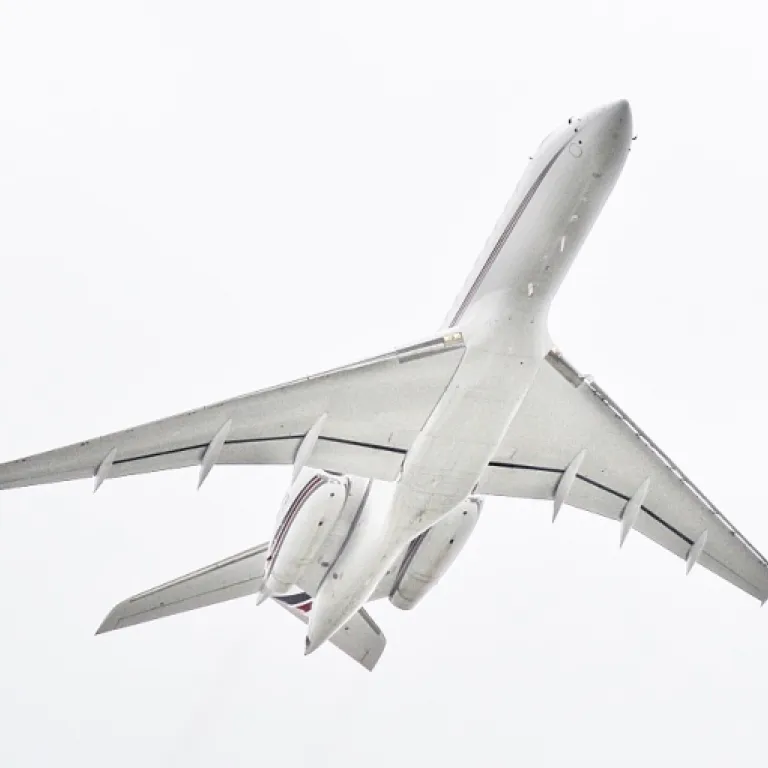

Understanding the single seat airplane concept
What Makes a Single Seat Airplane Unique?
Single seat airplanes, sometimes called single place or solo aircraft, are designed for just one pilot. Unlike larger private jets or even light sport aircraft that accommodate multiple passengers, these planes focus on the essentials: one seat, one set of controls, and a streamlined flying experience. They are popular in the ultralight and sport aviation communities, especially in the United States and United Kingdom, where regulations allow for a variety of designs and engine options.
Key Characteristics of Single Seat Aircraft
- Weight and Size: Most single seat airplanes have a low empty weight, often under 600 lbs, making them lighter than many cars. This lightness contributes to their agility and efficiency in flight.
- Wing Configuration: You’ll find a range of wing types, from fixed wing to mid wing designs, each affecting stability and performance. The Mini Max series, for example, is known for its compact, efficient wing structure.
- Speed and Performance: Cruise speeds can vary, but many ultralight and light sport models reach between 60 and 120 mph. Stall speed is a crucial safety factor, with most sport aircraft designed to keep this as low as possible.
- Build Options: Enthusiasts can purchase a factory-built aircraft or opt for an aircraft kit to build at home. This DIY approach is common in the single seat segment, offering flexibility and cost savings.
- Landing Gear: Fixed landing gear is typical, simplifying maintenance and reducing weight.
- Fuel Capacity: Tanks are smaller, reflecting the lighter weight and shorter range compared to multi-seat jets.
Where Single Seat Airplanes Fit in Aviation
These aircraft are often seen at smaller airports and airfields, especially in rural or suburban areas. Their light weight and compact size make them ideal for short hops between cities or recreational flights. While they don’t offer the luxury or range of larger private jets, single seat airplanes provide a unique, hands-on flying experience for sport pilots and aviation enthusiasts. For a deeper dive into how these aircraft compare to other single pilot jets, check out this guide to single pilot jets.
Advantages of flying a single seat airplane
Why Choose a Single Seat Aircraft?
For many pilots, the appeal of a single seat airplane lies in its unique blend of freedom, efficiency, and pure aviation experience. These aircraft are designed for those who value the thrill of solo flight, offering a direct connection between pilot and machine. Whether you are flying a light sport or an ultralight aircraft, the single seat format brings several advantages that set it apart from larger, multi-seat planes.
- Lightweight and Efficient: Single seat airplanes typically have a low empty weight, often under 600 lbs. This makes them agile and responsive, with lower fuel consumption and operating costs compared to heavier aircraft.
- Performance and Speed: Many single seat models, such as the popular Mini Max or other ultralight aircraft, offer impressive cruise speeds—sometimes reaching 100 mph or more. Their streamlined, fixed wing designs and efficient engine options contribute to a satisfying flight experience.
- Affordability: The cost to purchase, maintain, and operate a single seat airplane is generally much lower than that of a traditional private jet or even a light twin. Aircraft kits are available for those who want to build their own, making entry into aviation more accessible.
- Flexibility in Operation: With lower weight and compact size, these planes can often use smaller airports or even grass strips near a city. This opens up more options for takeoff and landing, especially in the United States and United Kingdom where regulations support light sport and ultralight categories.
- Pure Flying Experience: Without the distraction of passengers, the pilot can focus entirely on the art of flying. Many enthusiasts appreciate the simplicity and direct feedback from a single place cockpit, especially in sport or recreational aviation.
Single seat airplanes are also popular among those who want to experience the joy of building their own aircraft kit. The process of assembling a plane, choosing engine options, and customizing features like landing gear or wing configuration adds a personal touch to aviation.
For more insights into how single pilot jets compare and fit into the broader aviation landscape, you can explore this guide to single pilot jets.
Limitations and challenges of single seat airplanes
Operational and Practical Constraints
While single seat airplanes offer unique advantages for private pilots and aviation enthusiasts, they come with several limitations and challenges that are important to understand before making a commitment. These aircraft, often categorized as ultralight or light sport, are designed for solo flight and typically feature a fixed wing, minimal empty weight, and compact dimensions. However, these very characteristics can also present operational hurdles.
- Limited Payload and Weight Restrictions: Most single seat aircraft have strict weight lbs limits, often dictated by regulations in the United States and United Kingdom. The empty weight is kept low to comply with ultralight or light sport categories, which means there is little room for additional baggage or equipment. This can be a challenge if you need to carry more than just yourself and basic flight gear.
- Performance Boundaries: Cruise speed and max speed mph are generally lower than those of multi-seat private jets or larger sport aircraft. For example, many ultralight models have a cruise speed in the range of 60-120 mph, with stall speed also being a critical factor for safe operation. This limits the range and efficiency for longer trips between cities or airports.
- Weather and Comfort: Due to their light weight and smaller size, single seat airplanes are more susceptible to turbulence and weather changes. Flights in less-than-ideal conditions can be uncomfortable and, at times, unsafe. The cockpit is usually compact, offering less comfort compared to larger aircraft.
- Airport and Airspace Access: While these aircraft can operate from smaller airports and even some private strips, their limited speed and range may restrict access to larger, busier airports or longer cross-country flights. This can affect your ability to use the aircraft for business or city-to-city travel.
- Maintenance and Build Considerations: Many single seat airplanes are available as aircraft kits, requiring the pilot to build or assemble the plane. This demands a certain level of technical skill and time investment. Ongoing maintenance can also be more hands-on compared to certified private jets.
For those considering a single seat airplane, it is crucial to weigh these challenges against the benefits discussed earlier. If your needs extend to higher speeds, greater comfort, or the ability to carry passengers, you may want to explore more versatile private jet options. For a deeper look at how single seat aircraft compare to established private jets in terms of operational capability and comfort, check out this Hawker 800/800XP private jet review.
Who should consider a single seat airplane?
Is a Single Seat Airplane Right for You?
Choosing a single seat airplane is a unique decision in the world of private aviation. Not every pilot or enthusiast will find this type of aircraft suitable for their needs. Here are some key considerations to help you decide if a single seat, fixed wing or ultralight aircraft fits your profile:- Solo Pilots: If you enjoy flying alone and value personal freedom in the sky, a single seat airplane offers a pure, undistracted flight experience. There’s no need to coordinate with passengers or share controls.
- Sport and Recreational Flyers: Many single seat aircraft fall into the light sport or ultralight category. These planes are ideal for pilots looking for affordable, fun flights—especially those who want to fly for sport rather than transport.
- Hands-On Builders: Aircraft kits for single seaters, like the mini max or other ultralight aircraft, attract aviation enthusiasts who want to build their own plane. The process can be rewarding, and the empty weight and weight lbs are often manageable for home assembly.
- Pilots Focused on Performance: Single seat planes can offer impressive cruise speed, stall speed, and max speed mph relative to their weight. If you’re interested in maximizing speed and agility, these aircraft deliver a nimble, responsive flight.
- Budget-Conscious Owners: With lower weight, reduced fuel capacity, and simpler landing gear, single seaters often cost less to buy, maintain, and operate compared to larger sport aircraft or private jets.
Considerations Before Committing
- Purpose of Flight: If you need to travel between cities or airports with passengers, a single seat aircraft may not be practical. These planes are best for short, solo trips or local recreational flights.
- Regulatory Environment: In the United States and United Kingdom, ultralight and light sport regulations can affect where and how you fly. Always check local aviation rules regarding weight, speed, and airport access.
- Physical Requirements: The cockpit of a single seat, mid wing or single place aircraft is often compact. Consider your comfort and the aircraft’s weight limits before choosing a model.
- Experience Level: While some single seaters are suitable for sport pilot license holders, others may require more advanced skills. Evaluate your training and comfort level with different engine options and cruise speeds.
Key features to look for in a single seat airplane
Essential Elements for Choosing Your Single Seat Aircraft
When evaluating a single seat airplane, it’s important to focus on features that match your flying goals, experience, and local aviation regulations. Here’s what to keep in mind:- Weight and Category: Check the empty weight and total weight in lbs. Many single seat planes fall under ultralight or light sport aircraft categories, especially in the United States and United Kingdom. For example, ultralight aircraft often have a max empty weight of 254 lbs (per FAA rules), while light sport aircraft can go higher. This impacts where you can fly and what license you need.
- Speed and Performance: Look at cruise speed, max speed (mph), and stall speed. A typical single seat ultralight might cruise at 55 mph, while a light sport model can reach higher speeds. Consider your intended flight distances and whether you’ll be flying city-to-city or just around your local airport.
- Wing and Aircraft Design: Wing configuration (high wing, mid wing, or low wing) affects stability and visibility. Fixed wing designs are common for single seaters. The Mini Max series, for example, is a popular single place, mid wing kit aircraft known for its simplicity and efficiency.
- Engine Options and Fuel Capacity: Engine choices range from small two-stroke to more robust four-stroke options. Fuel capacity determines your range, so check if the tank size fits your typical flight plans. A larger tank means longer flights but adds to the weight.
- Landing Gear and Build Type: Fixed landing gear is standard for most ultralight and sport aircraft, offering reliability and ease of maintenance. Decide if you want a factory-built plane or an aircraft kit to build yourself. Kits can be more affordable and customizable but require time and skill.
Other Practical Considerations
- Regulatory Compliance: Make sure the aircraft meets local aviation rules for ultralight or light sport categories. This affects pilot requirements and where you can operate.
- Storage and Transport: Some single seat planes are compact enough to store in a garage or transport on a trailer, similar to a car. This is especially true for ultralight and kit-built models.
- Intended Use: Think about whether you want a sport aircraft for recreational flying, short hops between airports, or something that can handle longer cross-country trips. Each use case may require different features, from cruise speed to fuel capacity.
How single seat airplanes fit into the private jet landscape
Where Single Seat Airplanes Stand in Private Aviation
Single seat airplanes have carved out a unique niche in the private jet landscape. Unlike larger jets designed for business or group travel, these aircraft focus on the essentials: solo flight, efficiency, and personal adventure. Their compact size and light weight, often under 600 lbs empty weight, make them distinct from traditional private jets. Many models, such as ultralight aircraft and light sport planes, are built for pilots who value hands-on flying and simplicity over luxury.
Comparing Single Seat Aircraft to Other Private Jets
While private jets are known for their speed, range, and comfort, single seat airplanes prioritize agility and accessibility. For example, a typical single seat ultralight might cruise at 60-100 mph, with a max speed mph that rarely exceeds 120. In contrast, a light jet can easily surpass 400 mph. The weight lbs of a single seat plane is much closer to that of a car than a jet, making them easier to store and maintain. Their fuel capacity is also much lower, reflecting their shorter range and lighter missions.
- Airport access: Single seat planes can often operate from smaller airports or even grass strips, thanks to their light weight and short takeoff distance.
- Build options: Many are available as an aircraft kit, allowing enthusiasts to build their own plane, such as the popular mini max or mid wing designs.
- Regulations: In the United States and United Kingdom, ultralight and light sport aircraft categories allow for less stringent pilot requirements, making them more accessible to sport pilots.
Role in Personal and Recreational Aviation
Single seat airplanes are not meant to replace traditional private jets for business or long-distance city-to-city travel. Instead, they offer a unique experience for pilots who want to enjoy flight on their own terms. Whether it’s a quick cruise around the local airport, practicing landings with fixed wing landing gear, or exploring new engine options, these aircraft are about personal connection with aviation. For those who value the journey as much as the destination, single seat planes provide an unmatched sense of freedom and control.