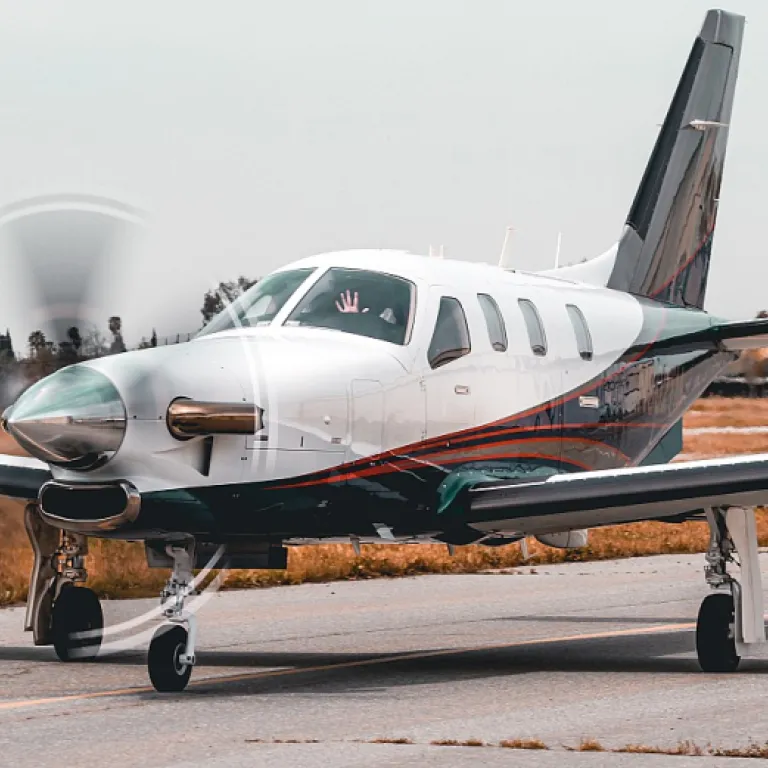

Overview of the Learjet 55
Introduction to the Learjet 55: Midsize Business Jet Excellence
The Learjet 55 stands out as a classic midsize business jet, designed for travelers who value a blend of performance, range, and comfort. Manufactured by Bombardier, this aircraft is part of the renowned Learjet family, which has long been associated with innovation and reliability in private aviation. The Learjet 55 is often compared to other midsize jets like the Citation VII, Citation III, and Hawker XPi, offering a competitive edge in terms of cruise speed, cabin volume, and operational efficiency.
Why the Learjet 55 Appeals to Business Travelers
Business jet users appreciate the Learjet 55 for its ability to cover significant distances without sacrificing comfort or cost-effectiveness. With a range that allows for nonstop travel between many major cities, this jet is ideal for both corporate and leisure missions. Its performance metrics, such as cruise speed and landing distance, make it a practical choice for those seeking a balance between speed and operational flexibility. The aircraft's baggage capacity and full fuel payload also cater to the needs of passengers who require ample space for luggage and equipment during global travel.
Position in the Midsize Jet Market
Within the world of midsize business jets, the Learjet 55 competes with models from Gulfstream, Citation, and Hawker. Each aircraft in this segment offers unique advantages in terms of range nautical miles, fuel cost, and annual budget requirements. The Learjet 55 is often praised for its efficient fuel consumption and manageable operating costs, making it a strong contender for those evaluating the total cost of ownership and long range capabilities.
Continuous Innovation in Private Aviation
The private jet industry is constantly evolving, with manufacturers introducing upgrades to enhance performance and safety. For example, recent advancements like the Vision Jet G1 wing upgrade demonstrate the ongoing commitment to improving aircraft efficiency and passenger experience. While the Learjet 55 maintains its reputation as a reliable midsize jet, staying informed about such innovations is essential for anyone considering a private jet purchase or charter.
Performance and range details
How Far and Fast Can the Learjet 55 Go?
The Learjet 55 stands out in the midsize business jet category for its solid performance and reliable range. Designed by Bombardier, this aircraft is a favorite among business travelers who need to cover significant distances efficiently. When comparing the Learjet 55 to other midsize jets like the Citation III, Citation VII, and Hawker 800XP, it holds its own in terms of speed and operational flexibility.
- Maximum range: The Learjet 55 can travel up to approximately 2,100 nautical miles with four passengers and full fuel, making it suitable for nonstop flights such as New York to Dallas or London to Athens.
- Cruise speed: The typical cruise speed is around 457 knots (about 526 mph), allowing for quick travel between business hubs.
- Takeoff and landing: The aircraft requires a takeoff distance of roughly 5,000 feet and a landing distance of about 3,500 feet, which provides access to a wide range of airports, including some with shorter runways.
- Payload and baggage: With a maximum payload of around 2,000 pounds and a baggage capacity of 60 cubic feet, the Learjet 55 offers ample space for passengers and their luggage, supporting both business and leisure travel needs.
Fuel Efficiency and Operating Costs
Fuel cost is a major factor in the annual budget for any private jet owner or operator. The Learjet 55 is known for its relatively efficient fuel consumption compared to some larger jets, but it still requires careful planning. On average, the jet burns about 220 gallons of fuel per hour. This efficiency is one reason why the Learjet 55 remains a popular choice among midsize business jets, balancing performance with manageable operating costs.
When considering the total cost, including maintenance and crew, the Learjet 55 typically offers a lower annual operating cost than larger jets like the Gulfstream G200 or Global series. However, it is important to note that maintenance schedules and parts availability can influence the overall cost of ownership.
How the Learjet 55 Stacks Up Against Competitors
In the world of midsize jets, the Learjet 55 competes directly with aircraft such as the Citation VII, Citation III, and Hawker 800XP. While the Citation jets may offer slightly longer range or more advanced avionics in newer models, the Learjet 55 is often praised for its speed and climb performance. The Hawker XPI, on the other hand, is known for its spacious cabin but comes with a higher fuel cost and slightly reduced cruise speed.
| Aircraft | Max Range (nautical miles) | Cruise Speed (knots) | Baggage Capacity (cu ft) |
|---|---|---|---|
| Learjet 55 | 2,100 | 457 | 60 |
| Citation VII | 2,100 | 480 | 61 |
| Hawker 800XP | 2,540 | 447 | 48 |
| Gulfstream G150 | 3,000 | 470 | 80 |
For those interested in exploring the fastest private jets and how the Learjet 55 compares in terms of speed, innovation, and luxury, check out this in-depth guide on the fastest private jets.
Cabin layout and comfort features
Spaciousness and Seating Flexibility
The Learjet 55 stands out among midsize jets for its well-designed cabin, offering a balance between comfort and functionality. With a typical configuration accommodating up to 7 passengers, the cabin layout is optimized for both business and leisure travel. The aircraft provides a flat floor and a generous cabin volume of approximately 422 cubic feet, allowing passengers to move about with ease during flight. Seating arrangements can be tailored, often featuring a club arrangement with additional forward-facing seats and a side-facing divan, which enhances interaction and comfort on longer journeys.
Cabin Features for Enhanced Comfort
Attention to detail is evident in the Learjet 55’s interior. The cabin is equipped with amenities such as a private lavatory, refreshment center, and ample baggage capacity—up to 60 cubic feet—making it suitable for extended business trips or family getaways. Large windows allow natural light to fill the space, contributing to a more pleasant travel experience. The aircraft’s soundproofing and climate control systems ensure a quiet and comfortable environment, even at cruise speed and high altitudes. For those concerned about air quality during travel, modern upgrades and private jet air purification solutions are increasingly available, further enhancing passenger well-being.
Comparing Cabin Experience with Other Midsize Jets
When compared to other midsize business jets like the Citation VII, Hawker XPI, or Gulfstream G150, the Learjet 55 offers a competitive cabin experience. While some rivals may provide slightly larger cabin volume or more advanced entertainment systems, the Learjet’s efficient use of space and thoughtful design make it a strong contender in its class. The baggage compartment is accessible in-flight, a feature not always found in similar aircraft. For business travelers, the cabin’s layout supports productivity, with fold-out tables and connectivity options for devices.
Cabin Specifications Table
| Feature | Learjet 55 | Citation VII | Hawker XPI | Gulfstream G150 |
|---|---|---|---|---|
| Cabin Volume (cu ft) | 422 | 438 | 604 | 521 |
| Typical Seating | 7 | 8 | 8 | 7 |
| Baggage Capacity (cu ft) | 60 | 61 | 50 | 80 |
| Lavatory | Yes | Yes | Yes | Yes |
Overall, the Learjet 55’s cabin is tailored for those seeking a blend of comfort, privacy, and practicality in a midsize business jet. Its features support both productivity and relaxation, making it a reliable choice for a variety of travel needs.
Avionics and cockpit technology
Advanced Flight Deck for Enhanced Control
The Learjet 55 is equipped with a cockpit that reflects the technological advancements of midsize business jets from its era. The aircraft typically features a dual-pilot configuration, supporting both safety and efficiency during travel. The flight deck integrates a suite of avionics designed to optimize performance, navigation, and communication, which is essential for business jet operations across various ranges and destinations.
Avionics Suite and Navigation Systems
The standard avionics package in the Learjet 55 includes a Collins Pro Line system, which was a benchmark for midsize jets at the time of its introduction. This system offers:
- Dual flight management systems for precise navigation
- Weather radar for real-time weather updates
- Autopilot and flight director systems to reduce pilot workload
- Integrated communication radios for clear air-to-ground and air-to-air communication
These features support the Learjet's ability to operate efficiently on both short and long range missions, making it competitive with other midsize business jets like the Citation VII, Hawker XPI, and Gulfstream models in the same class.
Safety and Situational Awareness
Safety is a core focus in the Learjet 55's cockpit. The avionics suite includes Traffic Collision Avoidance System (TCAS) and Ground Proximity Warning System (GPWS), enhancing situational awareness for the crew. These systems are crucial for private jet operations, especially when flying into busy airports or unfamiliar destinations. The cockpit layout is designed for ergonomic access to controls and displays, supporting the crew during all phases of flight.
Comparing Cockpit Technology in the Midsize Segment
While the Learjet 55's avionics are robust for its generation, newer midsize jets like the Citation X or Bombardier Challenger series offer more advanced glass cockpit displays and integrated systems. However, the Learjet 55 remains a reliable choice for operators seeking a balance between cost, performance, and proven avionics technology. Its cockpit supports a range of missions, from short business hops to longer travel up to its maximum range nautical miles, while keeping fuel cost and annual budget considerations in check.
Operating costs and maintenance
Understanding the Cost Structure of the Learjet 55
The Learjet 55, a midsize business jet, is known for its blend of performance and comfort, but understanding its operating costs is crucial for any prospective owner or charter client. The total annual budget for operating a Learjet 55 includes several key components: fuel, maintenance, crew salaries, insurance, hangar fees, and other variable costs. Each of these factors can impact the overall cost of ownership and operation.
- Fuel Cost: The Learjet 55 typically burns around 230 gallons of fuel per hour during cruise. Given fluctuating fuel prices, this can represent a significant portion of the operating budget, especially for long range travel.
- Maintenance: Scheduled and unscheduled maintenance is a major consideration. As with other midsize jets like the Citation VII or Hawker XPI, maintenance costs can vary depending on flight hours and cycles. Bombardier, the manufacturer, recommends regular inspections to ensure optimal performance and safety.
- Crew and Training: Operating a private jet requires a professional crew. Salaries, ongoing training, and recurrent certifications are necessary to maintain high standards of safety and service.
- Insurance and Fees: Annual insurance premiums, landing fees, and hangar storage are additional recurring expenses. These can differ based on location and usage patterns.
Comparing Costs with Other Midsize Jets
When evaluating the Learjet 55 against other midsize business jets such as the Citation III, Citation VII, or Hawker XPI, the cost per nautical mile and total annual budget are important benchmarks. The Learjet 55 offers competitive operating costs, especially when considering its range nautical capabilities and cruise speed. However, newer aircraft like the Gulfstream midsize models or the latest Citation jets may offer improved fuel efficiency and lower maintenance requirements due to advanced avionics and systems.
| Aircraft | Fuel Burn (gal/hr) | Range (nm) | Estimated Annual Operating Cost (USD) |
|---|---|---|---|
| Learjet 55 | 230 | 2,000 | ~$900,000 - $1,200,000 |
| Citation VII | 250 | 2,000 | ~$950,000 - $1,300,000 |
| Hawker XPI | 240 | 2,100 | ~$1,000,000 - $1,350,000 |
Payload and Baggage Considerations
The Learjet 55’s max payload and baggage capacity also influence operating costs. Flying with full fuel and maximum payload may reduce range, requiring more frequent stops and potentially increasing fuel and landing fees. For business travelers prioritizing cabin volume and comfort, balancing passenger count and baggage with fuel efficiency is key to optimizing travel costs.
Comparison with similar private jets
How the Learjet 55 Stacks Up Against Other Midsize Jets
When considering a private jet like the Learjet 55, it’s important to see how it compares with other popular midsize business jets such as the Citation III, Citation VII, Hawker 800XP, and Gulfstream G150. Each aircraft brings its own strengths in terms of range, cabin comfort, performance, and operating cost.- Range and Performance: The Learjet 55 offers a range of about 2,000 nautical miles, which is competitive for midsize jets. The Citation VII, for example, can reach up to 2,350 nautical miles, while the Hawker 800XP is close with around 2,540 nautical miles. Gulfstream’s G150 stretches a bit further, offering up to 3,000 nautical miles. For most business travel needs, the Learjet’s range covers popular city pairs, but for longer nonstop flights, some rivals have an edge.
- Cruise Speed: The Learjet 55 cruises at approximately 457 knots. Citation III and VII are similar, while the Gulfstream G150 is slightly faster. This means travel times are comparable across these jets for most routes.
- Cabin Volume and Comfort: The Learjet 55’s cabin is known for its stand-up headroom and seating for up to 8 passengers. The Hawker 800XP offers a wider cabin, which some passengers prefer for longer flights. Citation jets tend to have slightly less cabin volume, while the Gulfstream G150 provides a modern, spacious feel. Baggage capacity is adequate in the Learjet, but the Hawker and Gulfstream models often provide more room for luggage.
- Operating Costs and Fuel Efficiency: Annual budget and fuel cost are key factors for owners and operators. The Learjet 55 is generally more fuel-efficient than older Hawker models but may have higher maintenance costs compared to newer Citation or Gulfstream jets. The Citation III and VII are known for reasonable operating costs, while the Hawker 800XP’s robust design can mean higher maintenance but also strong reliability. Gulfstream’s G150, being newer, often benefits from improved fuel efficiency and lower maintenance intervals.
- Payload and Crew: With full fuel, the Learjet 55 can carry a solid payload, but some competitors like the Hawker 800XP offer a higher max payload, which is useful for flights with more passengers or baggage. Crew requirements are similar across these midsize jets, typically requiring two pilots for safe operation.
| Aircraft | Range (nautical miles) | Cruise Speed (knots) | Cabin Volume (cu ft) | Baggage Capacity (cu ft) | Typical Passengers | Estimated Annual Budget |
|---|---|---|---|---|---|---|
| Learjet 55 | 2,000 | 457 | 422 | 60 | 7-8 | Moderate |
| Citation VII | 2,350 | 480 | 438 | 61 | 7-8 | Moderate |
| Hawker 800XP | 2,540 | 447 | 604 | 48 | 8 | Higher |
| Gulfstream G150 | 3,000 | 470 | 521 | 80 | 6-8 | Lower |
For those prioritizing range and baggage, the Gulfstream G150 stands out. If cabin width and comfort are most important, the Hawker 800XP is a favorite among business travelers. The Citation series is valued for its balance of cost and performance. The Learjet 55, meanwhile, remains a strong contender for those seeking a classic midsize jet with reliable performance and a comfortable cabin for both crew and passengers.