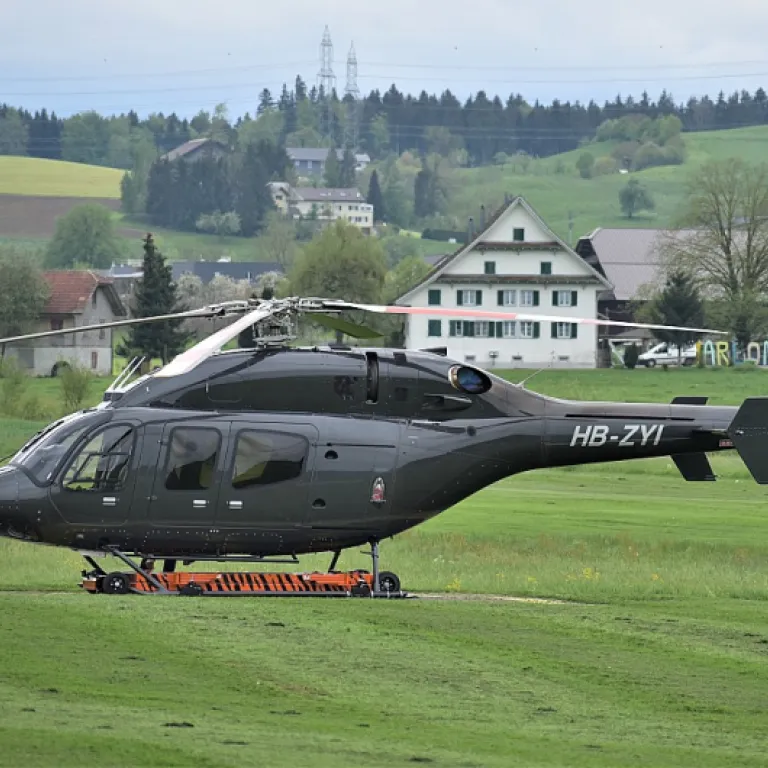

Understanding the importance of cabin air quality
Why Clean Cabin Air Matters in Private Jets
When flying in a private jet, the quality of the air inside the cabin is more than just a comfort issue—it’s a matter of health and well-being. Unlike commercial aircraft, private jets often operate with fewer passengers and on-demand schedules, but the air inside can still accumulate contaminants from various sources. These include dust, allergens, bacteria, and even volatile organic compounds from cabin materials or cleaning products. Without effective air filtration, these particles can circulate, impacting both comfort and safety.
- Filtration systems in jets are designed to capture particles as small as a micron, helping to ensure cleaner air throughout the flight.
- Modern air cleaners and filters work continuously, removing contaminants and maintaining a healthier environment for passengers and crew.
- Regular replacement of filters and proper maintenance of air filtration systems are essential to keep air quality at its best.
Private jet owners and operators are increasingly aware of the importance of air filtration, not only for passenger comfort but also for safety and regulatory compliance. Stock products for jet air cleaners and replacement filters are now widely available, making it easier to maintain high standards. When considering a jet for sale or evaluating its features, checking the condition and type of air filtration system should be a priority.
Understanding the basics of air filtration and the role of advanced cleaners helps in making informed decisions about maintenance, shipping, and even privacy policy concerns related to air quality data. For those seeking more info or looking to contact suppliers, it’s important to review the privacy notice and shipping policy of stock products and replacement filters before making a purchase or scheduling service.
What is a jet air cleaner and how does it work?
How Jet Air Cleaners Operate Inside the Cabin
Jet air cleaners are specialized systems designed to improve the air quality within private jet cabins. These devices use advanced air filtration technology to remove contaminants, allergens, and even microscopic particles from the cabin air. The core of their operation lies in a multi-stage filtration process, often including HEPA filters capable of capturing particles as small as 0.3 micron. This ensures that the air circulating inside the jet remains clean and safe for passengers and crew.
Most jet air cleaners work by drawing cabin air through a series of filters. The initial stage typically captures larger particles, while subsequent filters target finer pollutants, bacteria, and odors. Some systems also integrate activated carbon filters to neutralize volatile organic compounds and unpleasant smells. The result is a noticeable improvement in air freshness and overall cabin comfort.
- Filtration efficiency: Modern air cleaners in jets can remove up to 99.97% of airborne particles, including dust, pollen, and microbes.
- Continuous circulation: These systems operate throughout the flight, ensuring a constant supply of filtered air.
- Quiet operation: Designed for the luxury jet environment, most air cleaners run quietly to avoid disturbing passengers.
When considering air cleaners for your private jet, it's important to look at the availability of replacement filters and stock products, as regular maintenance is key to optimal performance. Reliable suppliers will offer clear info on shipping, privacy notice, and contact policy, making it easier to manage ongoing care for your jet's air filtration system.
For those interested in enhancing their cabin environment further, exploring choosing the right airplane chair covers for your private jet can also contribute to a cleaner, more comfortable space.
Benefits of using jet air cleaners in private jets
Why advanced air filtration matters in private jets
Private jet cabins are unique environments where air quality directly impacts passenger comfort and safety. Jet air cleaners use specialized filters to remove particles as small as a micron, including dust, allergens, and even some bacteria. This level of air filtration is crucial, especially during long flights or when jets are frequently in use. Cleaners and filters work together to ensure that the air circulating in the cabin is consistently refreshed and purified.
- Healthier air: Effective air cleaners reduce the risk of airborne illnesses and allergic reactions by trapping contaminants before they reach passengers.
- Odor control: Advanced filtration systems help neutralize odors from food, fuel, or other sources, making the cabin environment more pleasant.
- Consistent performance: Modern jet air cleaners are designed for reliability, with stock products and replacement filters available for quick shipping and easy maintenance.
Choosing the right air filtration system means looking at the type of filter, its micron rating, and how easy it is to replace or maintain. Many jet owners and operators rely on trusted brands with a clear privacy policy and transparent info about their products. Some companies even offer afs (air filtration systems) with privacy notice and skip content options for online browsing, making it easier to find the right fit for your jet.
For those interested in maximizing both air quality and overall jet performance, exploring performance upgrades for private jets can provide additional value beyond just air filtration.
Key features to look for in a jet air cleaner system
Essential Elements for Effective Jet Air Filtration
When evaluating jet air cleaners for private jets, it’s important to focus on features that directly impact air quality and passenger comfort. Not all air cleaners are created equal, and understanding the technical details can help you make an informed decision for your aircraft.
- Filtration Efficiency: Look for systems that use high-efficiency filters capable of trapping particles as small as 0.3 micron. This level of filtration is crucial for removing dust, allergens, and even some bacteria from the cabin air.
- Filter Replacement Indicators: Modern jet air cleaners often include indicators or alerts for filter replacement. This feature ensures that filters are changed at the right intervals, maintaining optimal air quality without guesswork.
- Airflow Capacity: The cleaner should match the cabin size and air volume of your jet. Adequate airflow ensures that the entire cabin benefits from consistent air filtration, not just select areas.
- Stock and Replacement Parts: Check if the manufacturer or distributor maintains stock products and replacement filters. Easy access to replacement parts and quick shipping options can minimize downtime and keep your jet ready for flight.
- Advanced Filtration Systems (AFS): Some products offer multi-stage air filtration, combining HEPA filters with activated carbon or UV-C technology. These advanced systems can further reduce odors, volatile organic compounds, and airborne microbes.
- Compliance and Policy: Ensure the air cleaner system complies with aviation regulations and your operator’s privacy notice or policy. Reliable brands provide clear info on certification and installation requirements.
- Ease of Maintenance: Choose cleaners designed for straightforward maintenance. Features like tool-free filter access and clear maintenance instructions help crew members skip unnecessary steps and focus on essential care.
For those considering a purchase, reviewing product details, shipping policies, and privacy notices from reputable suppliers is recommended. If you have questions or need specific info, don’t hesitate to contact the manufacturer directly. Reliable support and transparent content about air cleaners and filters can make a significant difference in your ownership experience.
Maintenance and care for jet air cleaners
Routine Checks and Filter Replacement
Regular maintenance is essential for keeping jet air cleaners operating at peak efficiency. The core of any air filtration system is its filter, which captures particles down to a specific micron size. Over time, these filters can become clogged with dust, allergens, and other contaminants, reducing their effectiveness. It’s important to follow the manufacturer’s guidelines for filter replacement intervals. Stock products and replacement filters are often available for sale from authorized dealers or directly from the manufacturer. Always check if the filters are in stock before planning maintenance to avoid unnecessary delays.- Inspect air cleaners regularly for visible dust or debris.
- Replace filters as recommended to maintain optimal air quality.
- Use only approved replacement products to ensure compatibility and performance.
Proper Handling and Shipping of Replacement Parts
When ordering replacement filters or other components, consider the shipping policy and privacy notice of the supplier. Reliable suppliers provide clear info on shipping times and stock availability, which helps avoid unexpected downtime. Some companies offer expedited ship options for urgent needs. Always review the privacy policy and skip content that doesn’t relate to technical or maintenance details to focus on what matters most for your jet’s air filtration system.Professional Servicing and Documentation
While some routine tasks can be handled by crew or ground staff, more complex maintenance should be performed by certified professionals familiar with advanced filtration systems like AFS. Keeping detailed records of all maintenance activities, filter changes, and inspections is crucial for compliance and future reference. If you have questions or need support, contact the manufacturer or authorized service provider for up-to-date info on products and procedures.Best Practices for Long-Term Performance
To extend the lifespan of your jet air cleaners and maintain high air quality standards:- Schedule regular inspections as part of your jet’s overall maintenance plan.
- Use genuine filters and parts to avoid compromising the system.
- Stay informed about new air cleaners and filtration technologies that may enhance performance.
How jet air cleaners contribute to passenger safety and well-being
Protecting Health and Comfort at 40,000 Feet
Private jet cabins are unique environments where air quality can directly impact passenger safety and well-being. Unlike commercial aircraft, private jets often operate with fewer passengers and may spend extended periods on the ground or in the air. This makes the role of jet air cleaners and advanced air filtration systems even more critical.
- Filtration Efficiency: Modern jet air cleaners use high-efficiency filters capable of capturing particles as small as a few microns. This includes dust, allergens, and even some bacteria and viruses, reducing the risk of airborne illnesses during flight.
- Consistent Air Quality: Air filtration systems maintain a steady flow of clean air, which helps prevent the buildup of contaminants. This is especially important for passengers with allergies or respiratory sensitivities.
- Regulatory Compliance: Many jet air cleaners are designed to meet strict aviation standards, ensuring that air quality policies are upheld and that privacy and safety notices are respected throughout the journey.
- Product Reliability: Reliable air cleaners and filters, often available as stock products or through specialized sale channels, ensure that replacement and maintenance can be handled efficiently. This minimizes downtime and keeps the jet ready for safe operation.
Regular maintenance and timely replacement of filters are essential for optimal performance. Operators should keep an eye on stock levels and shipping policies to avoid delays in obtaining replacement products. For more info or to contact suppliers, always review their privacy notice and skip content policies to ensure your data is handled securely.
Ultimately, investing in quality jet air cleaners and robust air filtration systems is not just about comfort—it’s a proactive step in safeguarding the health and privacy of everyone on board.