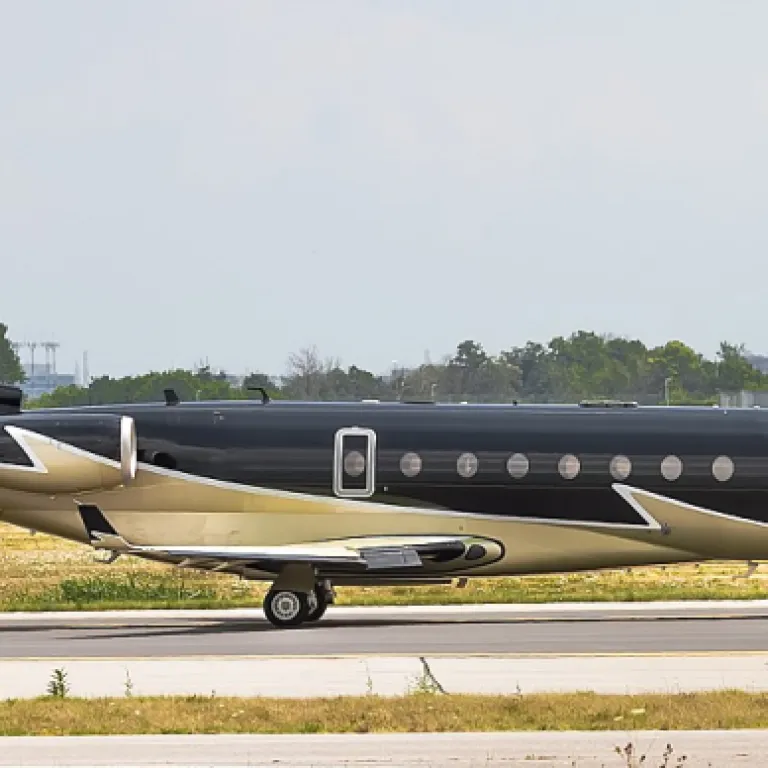

Understanding learjet cost across purchase, ownership and charter
The learjet cost question starts with how a Learjet compares to any other private jet. Buyers look first at the purchase price of a bombardier learjet aircraft, then at long term ownership costs. Charter clients instead focus on hourly rate, cabin comfort and total trip cost.
For a new business jet, the purchase price reflects avionics suite sophistication, max takeoff performance and cabin finish quality. A pre owned learjet aircraft usually offers a lower initial cost, but maintenance costs per year can be higher. Serious buyers often analyse several private jet options, including a phenom or a citation, before they buy sell or commit to a jet charter program.
Operating a learjet bombardier model involves fixed costs and variable costs that go far beyond fuel. Fixed costs include crew salaries, hangar fees, training, subscriptions for the avionics suite and insurance annual premiums. Variable costs depend on hours year flown, cruise speed, fuel burn and air traffic charges.
From a performance perspective, learjet aircraft are known for strong cruise speed and efficient range for business travelers. Typical cruise speed in speed mph terms is competitive with other light and midsize private jet models. Range in kilometres or nautical miles determines how many passengers can fly non stop and how often refuelling is needed.
Cabin volume in cubic feet and floor length in feet also influence learjet cost, because more space usually means higher takeoff weight and higher fuel burn. The max takeoff figure and takeoff weight in weight lbs define runway needs and airport access. These technical parameters shape both ownership economics and charter pricing.
How technical specifications shape learjet cost over the year
To understand learjet cost properly, you must connect technical specifications with real operating bills. The max takeoff rating, wing span and overall weight lbs influence airport fees and performance margins. A higher max takeoff value usually allows more passengers, more baggage in the cabin and more fuel for extended range.
Range is central to private jet economics, because it dictates how many legs a mission requires. When a bombardier learjet can complete a route in one cruise segment, the total costs in fuel, crew hours and air navigation charges fall. If the range is too short, extra landings add handling fees and increase the effective hourly rate.
Cabin layout also matters, since more passengers mean lower cost per seat but higher total costs. A typical learjet cabin offers several cubic feet of luggage volume and enough feet of legroom for business travelers. However, each extra seat adds weight lbs and can reduce max range or cruise speed at a given altitude.
Technical data such as cruise speed and speed mph at typical cruise settings influence flight time. Faster cruise reduces hours year in the air for a given schedule, which can lower some variable costs. Yet higher cruise speed may increase fuel burn per hour, so operators balance speed against cost efficiency.
Fuel capacity is another key driver of learjet cost, especially on long private jet missions. For a deeper look at how fuel volume and range interact on a specific model, many analysts review a detailed guide on Learjet fuel capacity and range planning. Over a full year, these technical choices accumulate into significant differences in ownership and charter economics.
Ownership economics : fixed costs, variable costs and hours per year
When evaluating learjet cost for full ownership, fixed costs are the starting point. These include hangar rent, crew salaries, recurrent training, navigation databases for the avionics suite and insurance annual premiums. For a bombardier learjet or any comparable business jet, fixed costs remain relatively stable regardless of hours year flown.
Variable costs scale with actual aircraft use and include fuel, maintenance reserves and air traffic charges. The hourly rate for a private jet owner is calculated by dividing total annual costs by hours year. A higher utilisation spreads fixed costs over more hours, reducing cost per hour but increasing total yearly costs.
Maintenance planning is crucial, especially for a pre owned learjet bombardier model with more cycles. As the aircraft ages, inspections become more frequent and parts replacement costs rise. Owners must budget for both scheduled checks and unscheduled events that can ground the jet and disrupt passengers.
Performance factors such as max takeoff, takeoff weight and wing span also affect maintenance and airport access. Operating regularly from shorter runways may require more conservative weight lbs limits, which can reduce range or passenger count. These trade offs influence whether a specific learjet aircraft suits a given corporate or private profile.
Prospective buyers often compare learjet cost with alternatives like a phenom or a citation, using detailed specification sheets. A useful way to contextualise these numbers is to review a technical overview such as an in depth Learjet specification analysis. Such comparisons help clarify whether to buy sell, remain in a jet charter program or move to fractional ownership.
Charter pricing, jet charter models and the role of hourly rate
For travelers who prefer flexibility, learjet cost is often viewed through the lens of jet charter. Instead of paying the full purchase price and carrying fixed costs, clients pay an hourly rate plus fees. This model suits passengers who fly limited hours year and value predictable budgeting.
Charter pricing for a bombardier learjet or similar private jet usually combines flight time, positioning and airport charges. The hourly rate reflects fuel, crew, maintenance reserves and operator margin, while extras cover de icing, catering and specific air services. Some operators offer block hour agreements that reduce costs in exchange for volume commitments.
Cabin configuration and comfort strongly influence perceived value in the jet charter market. A spacious cabin with generous cubic feet of luggage space and ergonomic seating can justify a higher cost. Passengers often compare learjet aircraft with phenom and citation models, weighing cabin comfort against range and speed mph.
Performance metrics such as cruise speed and range also shape charter economics. A learjet with higher cruise speed can complete more missions per day, improving fleet utilisation and supporting competitive costs. Max takeoff and takeoff weight figures determine which airports are accessible, which in turn affects ground handling fees.
For travelers focused on comfort and style, it can be helpful to compare learjet cost with other aircraft classes. An informative reference is a detailed article on flying in comfort and style with a Citation business jet, which highlights how cabin and performance features translate into value. Such comparisons help clients decide whether a learjet bombardier charter or an alternative private jet best fits their needs.
Comparing learjet with phenom and citation business jet rivals
When analysing learjet cost, many buyers benchmark against phenom and citation competitors. Each business jet family offers different balances of purchase price, range, cabin volume and cruise speed. The right choice depends on typical mission length, passengers carried and preferred airports.
Phenom aircraft often emphasise efficient fuel burn and modern avionics suite design. Citation models provide a wide spectrum from entry level private jet to larger business jet variants with extended range. A bombardier learjet typically positions itself with strong cruise speed and a refined cabin, appealing to time sensitive travelers.
From a cost perspective, purchase price and residual value are central. A learjet bombardier model with strong resale performance can offset higher initial cost over the ownership cycle. Buyers who plan to buy sell within a few years pay close attention to depreciation curves and market demand.
Operating metrics such as hourly rate, fixed costs and maintenance intervals also differentiate these aircraft families. A phenom may offer lower fuel costs but slightly less cabin space in cubic feet, while a citation might provide more feet of cabin length at a higher weight lbs. These differences influence max takeoff performance, runway needs and overall mission flexibility.
For technically minded readers, comparing detailed specification tables for learjet, phenom and citation models can clarify trade offs. Key figures include range, cruise speed in speed mph, max takeoff and takeoff weight, wing span and typical passengers. By aligning these metrics with real world travel patterns, decision makers can select the aircraft that delivers the best balance between performance and learjet cost.
Cabin comfort, space in cubic feet and the passenger experience
Beyond pure numbers, learjet cost must be weighed against cabin comfort and passenger experience. The cabin of a bombardier learjet is designed to balance space, weight lbs and aerodynamic efficiency. Every cubic feet of volume adds structural requirements and influences max takeoff and cruise performance.
Passengers typically evaluate a private jet by how it feels during several hours in the air. Seat ergonomics, noise levels, lighting and baggage capacity all contribute to perceived value. A well designed cabin can make a shorter range aircraft feel more luxurious than a larger but less refined business jet.
Cabin dimensions in feet, including height and width, determine how freely passengers can move. For many travelers, the ability to stand comfortably or work at a table justifies a higher learjet cost. Designers must balance these preferences against aerodynamic drag, wing span constraints and overall takeoff weight.
Modern learjet bombardier interiors integrate connectivity, entertainment and an advanced avionics suite visible from the passenger area. These features support productive hours year for executives who treat the cabin as an airborne office. They also enhance safety, as real time data helps crews manage range, cruise speed and air traffic conditions.
When comparing learjet aircraft with phenom and citation rivals, travelers should consider how many passengers typically fly together. A slightly higher hourly rate may be acceptable if the cabin offers more cubic feet per person and better amenities. In this sense, learjet cost becomes a measure of value per comfortable seat rather than a simple price tag.
Risk management, insurance annual premiums and strategic fleet decisions
Risk management is an often overlooked component of learjet cost for owners and operators. Insurance annual premiums depend on aircraft value, pilot experience, hours year flown and safety record. A newer bombardier learjet with advanced avionics suite and strong maintenance history may secure more favourable terms.
Regulatory compliance and safety culture also influence costs over the year. Operators who invest in recurrent training, robust maintenance and proactive risk assessment can reduce incidents and unplanned downtime. This approach protects passengers, preserves residual value and stabilises fixed costs.
Fleet planners must decide whether to own, lease, charter or mix these models to optimise learjet cost. Full ownership offers control over schedule and cabin configuration but requires absorbing all fixed costs and variable costs. Jet charter or fractional schemes shift some risk to operators while charging an hourly rate that reflects their expertise.
Technical parameters such as max takeoff, takeoff weight, wing span and range determine which missions a learjet aircraft can handle. If typical routes exceed practical range, supplementing with other private jet types like phenom or citation models may be more efficient. Conversely, a versatile learjet bombardier model can cover many missions with one airframe, simplifying fleet management.
Ultimately, decision makers should evaluate learjet cost not only in currency but also in time saved, flexibility gained and comfort delivered to passengers. By aligning purchase price, fixed costs, hourly rate and residual value with strategic goals, they can build a sustainable private aviation strategy. This holistic view turns technical data, from weight lbs to speed mph, into informed and resilient business choices.
Key statistics about learjet cost and performance
- Typical light and midsize learjet aircraft cruise between roughly 720 and 860 km/h, depending on model and configuration.
- Many learjet cabins offer internal volumes in the range of 8 to 20 cubic feet per passenger for baggage, plus shared cabin space.
- Max takeoff weights for common learjet variants often fall between 7 000 and 10 500 kg, influencing runway requirements and airport access.
- Annual fixed costs for a privately owned learjet can represent several hundred hours year of equivalent charter spending, depending on utilisation.
- Insurance annual premiums typically represent a small but significant percentage of the aircraft purchase price, adjusted for safety and usage.
Questions people also ask about learjet cost
How much does it cost to buy a learjet compared with other private jets ?
The purchase price of a learjet usually sits in the light to midsize private jet segment, often above some entry level phenom or citation models but below larger business jet types. Buyers must also factor in taxes, pre purchase inspections and initial upgrades to the avionics suite or cabin. When comparing learjet cost with rivals, it is essential to consider residual value and expected depreciation over the ownership period.
What are the main factors that influence the hourly rate of a learjet charter ?
The hourly rate for learjet jet charter reflects fuel burn, crew expenses, maintenance reserves and operator overhead. Aircraft age, cabin configuration, range capability and typical cruise speed also affect costs, as do airport fees and air traffic charges. Operators may adjust pricing based on demand, route patterns and whether the flight requires positioning the aircraft without passengers.
Is owning a learjet more cost effective than using charter services ?
Owning a learjet can be more cost effective than charter if the aircraft flies a high number of hours year and the owner values full control over schedule and cabin layout. However, fixed costs such as hangar, crew, maintenance and insurance annual premiums are substantial regardless of utilisation. For many travelers who fly fewer hours, charter or fractional ownership offers a lower overall learjet cost while preserving flexibility.
How do range and max takeoff weight affect learjet operating costs ?
Range determines how many legs a mission requires, which directly influences fuel consumption, landing fees and crew hours. A higher max takeoff weight allows more fuel and passengers but can increase airport charges and may require longer runways. Balancing range, takeoff weight and typical passenger loads helps operators optimise learjet cost for their specific route network.
What should buyers look for when evaluating a pre owned learjet ?
When assessing a pre owned learjet, buyers should examine maintenance records, total hours year, cycles, avionics suite updates and any cabin refurbishments. A thorough pre purchase inspection can reveal structural issues, corrosion or upcoming major checks that will affect future costs. Comparing the adjusted purchase price with expected fixed costs, variable costs and residual value helps determine whether the aircraft offers good learjet cost efficiency.