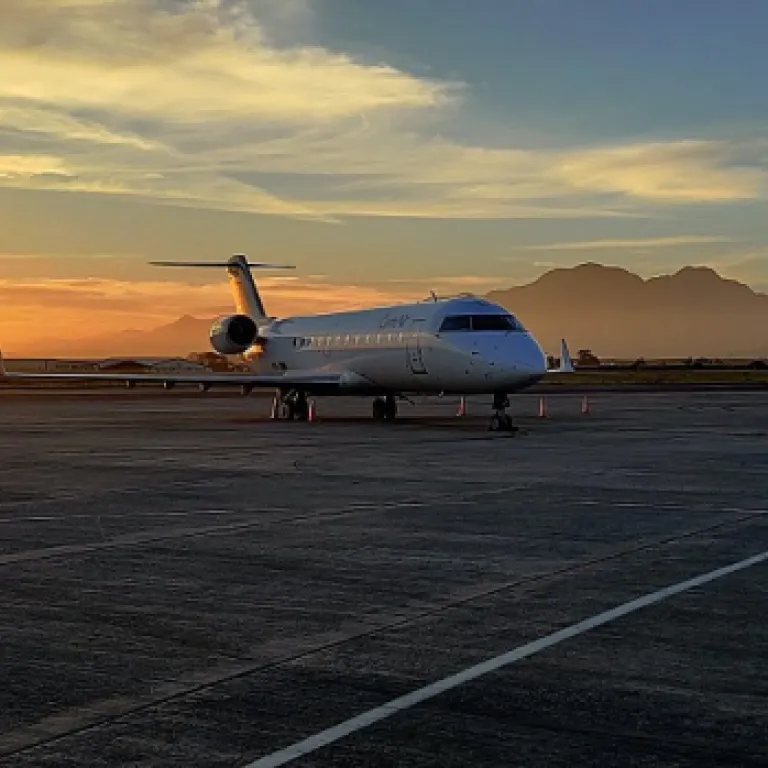

Challenger 300 business jet overview for informed private travellers
The challenger 300 business jet sits in the super midsize category and targets owners who value range, comfort, and operating efficiency. This bombardier challenger model was engineered as a clean sheet challenger aircraft rather than a derivative, which helped optimise the wing, engines, and cabin for balanced performance. In the competitive world of business jets, it bridges the gap between traditional mid size aircraft and larger long range models.
From an aviation perspective, the challenger 300 business jet offers intercontinental capability on many continental and inter continental routes. Its typical range allows non stop flight between major business centres, which makes it attractive for both private jets owners and charter clients. This range performance, combined with a generous baggage compartment and a flat floor passengers cabin, positions the jet as a practical tool rather than a purely prestige driven star.
The aircraft uses Rockwell Collins avionics in a modern glass cockpit, which simplifies system management for the flight crew. This avionics suite integrates navigation, communication, and surveillance functions into a coherent system that supports efficient flight test campaigns and later operational flying. Regulators such as Transport Canada evaluated the challenger aircraft against stringent airworthiness standards before granting certification for commercial and private jet operations.
In the broader market of business jets, the challenger business family competes with the Cessna Citation series and larger aircraft like the Global Express. Buyers comparing a cessna citation model with a bombardier challenger often weigh cabin volume, inches length of the interior, and overall price against mission needs. For many operators, the challenger 300 business jet represents a balanced super mid solution that delivers credible performance without the cost of ultra long range jets.
Cabin comfort, passengers cabin layout, and baggage compartment practicality
The challenger 300 business jet is widely appreciated for its passengers cabin, which offers a flat floor and generous width for a super midsize aircraft. The cabin typically seats eight to nine passengers in a double club layout, with additional seating options depending on the specific challenger aircraft configuration. Designers focused on creating a quiet environment where business discussions or rest are possible during a long continental or inter continental flight.
Measured in metric terms, the cabin provides ample centimetres of headroom and several dozen inches of shoulder room, which translates into a feeling of space uncommon in mid size jets. The overall inches length of the interior allows for a forward galley, central seating area, and an aft lavatory, all connected by a straight aisle. This layout helps passengers move easily through the passengers cabin, even when the aircraft is at cruise speed mach close to typical business jets values.
The baggage compartment is accessible externally and offers enough volume for multiple large suitcases, golf bags, and business equipment. For private jets used on charter missions, this baggage compartment capacity is a practical selling point, because groups often travel with both personal and professional items. Operators highlight that the bombardier challenger design maintains baggage accessibility without compromising the pressurised passengers cabin or overall aircraft performance.
Cabin systems include an environmental control system that regulates air quality, temperature, and pressurisation throughout the flight. The Rockwell Collins cabin management system allows passengers to adjust lighting, audio, and sometimes connectivity options, depending on the specific challenger business installation. Safety aspects of the passengers cabin, such as emergency lighting and clearly marked exits, are addressed in detail in regulatory guidance on ensuring safety in private jet cabins, which is relevant for challenger 300 business jet operators.
Performance, range, and speed for continental and inter continental missions
The challenger 300 business jet was designed to offer a range that covers many continental city pairs and selected inter continental routes without refuelling. In practical terms, this bombardier challenger model can link major European capitals with Middle Eastern hubs or connect large North American centres with comfortable reserves. Such range capability places the aircraft firmly in the super midsize segment, above many mid size jets but below ultra long range business jets like the Global Express.
Typical cruise speed mach values for the challenger aircraft balance fuel efficiency with time savings, which matters for business travellers. While some larger jets may fly slightly faster, the difference in block time on many routes is modest compared with the difference in acquisition price and operating costs. For charter customers, this balance between speed mach performance and overall trip economics often makes the challenger 300 business jet an attractive option.
During the original flight test programme, engineers evaluated take off and landing performance on various runway lengths and airfield elevations. These flight test results confirmed that the aircraft could operate from many business aviation airports that serve private jets, including some with shorter runways than typical airline facilities. Regulatory bodies such as Transport Canada reviewed this data before granting approvals for commercial charter and private jet use.
The engines and wing design contribute to efficient climb and cruise performance, which helps the aircraft reach optimal air density levels quickly. At higher cruise altitudes, the challenger business model can avoid much of the congested air traffic and weather, improving comfort and schedule reliability. For readers interested in operational risk, analyses of private jet incidents, including those involving business jets similar to the challenger 300 business jet, are discussed in resources on understanding private jet safety measures.
Flight deck, avionics system, and regulatory oversight
The flight deck of the challenger 300 business jet features an integrated Rockwell Collins avionics suite that centralises navigation, communication, and monitoring functions. Large format displays present critical flight data, engine parameters, and system synoptics in a clear, structured way for the crew. This avionics architecture reduces pilot workload compared with older business jets that relied on separate analogue instruments and less integrated systems.
The avionics system supports advanced navigation capabilities, including performance based navigation procedures that many modern airports now require. For operators of private jets and charter fleets, this capability allows more direct routings and access to airports with complex arrival and departure procedures. The challenger aircraft also incorporates safety enhancements such as terrain awareness, traffic collision avoidance, and weather radar, which are standard expectations in contemporary business aviation.
Transport Canada played a central role in certifying the bombardier challenger family, working alongside other authorities to harmonise standards. During the test bombardier campaigns, regulators examined how the aircraft systems behaved under abnormal and emergency conditions, including failures of key avionics components. These evaluations ensured that the challenger business model met or exceeded the safety benchmarks applied to comparable business jets and mid size aircraft.
For pilots, the combination of Rockwell Collins avionics and ergonomic cockpit design supports efficient crew coordination during every phase of flight. Training programmes emphasise the use of automation while maintaining manual flying skills, which is a recurring theme in modern aviation safety discussions. Readers who want a deeper understanding of operational factors affecting private jet safety, including human factors in the cockpit, may consult analyses on how operational conditions influence private jet flights, which are relevant to challenger 300 business jet operations.
Market position versus cessna citation, global express, and other business jets
In the competitive landscape of business aviation, the challenger 300 business jet occupies a strategic position between smaller mid size jets and larger long range aircraft. Buyers often compare this bombardier challenger model with a cessna citation in the super mid or larger mid size categories, evaluating cabin volume, range, and price. While some cessna citation aircraft may offer slightly lower acquisition costs, the challenger aircraft typically provides a wider passengers cabin and longer range.
At the upper end of the market, the Global Express and similar business jets deliver significantly greater range and cabin space but at a much higher price. For many corporate flight departments, the challenger business model offers sufficient inter continental capability without the operating costs associated with ultra long range private jets. This balance explains why the challenger 300 business jet and its related super mid variants have become popular in both owner flown and charter fleets.
From a technical perspective, the challenger aircraft shares some design philosophies with larger bombardier models while remaining optimised for the super midsize role. The inches length of the cabin, combined with efficient use of width and height, allows the passengers cabin to feel closer to that of larger jets. At the same time, the aircraft maintains runway performance and fuel burn figures that are competitive with many mid size jets.
Charter operators appreciate the baggage compartment capacity and flexible passengers cabin layout, which suit both business and leisure missions. For example, a group of executives may use the challenger 300 business jet for a continental roadshow, while a family might charter the same aircraft for a holiday requiring substantial luggage. In both cases, the combination of range, cabin comfort, and balanced price relative to larger business jets supports strong utilisation in the private jet market.
Economics, operating costs, and charter price dynamics
Economic considerations play a central role when companies or individuals evaluate the challenger 300 business jet against other business jets. Acquisition price for a bombardier challenger in this category reflects its super midsize capabilities, advanced Rockwell Collins avionics, and well appointed passengers cabin. While higher than many mid size jets, this price is typically lower than that of ultra long range aircraft such as the Global Express.
Operating costs include fuel burn, maintenance, crew salaries, insurance, and navigation or landing fees, all influenced by aircraft weight and system complexity. The challenger aircraft benefits from efficient engines and aerodynamics, which help keep fuel costs competitive for continental and some inter continental missions. For charter operators, predictable maintenance intervals and strong support from bombardier contribute to reliable availability, which is essential for private jets serving demanding clients.
Charter price for a challenger 300 business jet flight is usually calculated per hour, with adjustments for positioning, airport charges, and onboard services. Compared with a smaller cessna citation, the hourly charter price may be higher, but the cost per passenger can be favourable when the passengers cabin is fully utilised. Clients often accept this charter price premium in exchange for greater cabin comfort, longer range, and a larger baggage compartment that accommodates diverse travel needs.
In fleet planning, operators weigh the economics of super mid aircraft against both mid size and larger business jets. A mixed fleet that includes the challenger business model, smaller jets, and perhaps a Global Express can address a wide spectrum of mission profiles. This flexibility allows operators to match each flight to the most efficient aircraft, optimising overall utilisation and supporting sustainable growth in the private jet sector.
Deep subject: balancing safety, performance, and comfort in super mid private jets
A nuanced challenge in private jet operations involves balancing safety, performance, and comfort in super midsize aircraft such as the challenger 300 business jet. Operators must ensure that every bombardier challenger flight adheres to strict safety standards while still meeting client expectations for speed, privacy, and a refined passengers cabin. This balance becomes particularly delicate on inter continental routes, where weather, air traffic, and crew duty limits interact with range and payload constraints.
From a safety standpoint, regulators like Transport Canada require comprehensive flight test programmes that stress the challenger aircraft across its operating envelope. These test bombardier campaigns validate stall behaviour, engine out performance, and system redundancy, including the Rockwell Collins avionics system and other critical systems. Once in service, continuous monitoring of operational data helps identify trends that could affect private jets safety, such as recurring technical issues or procedural weaknesses.
Performance considerations include optimising speed mach settings, cruise altitudes, and routing to balance fuel efficiency with schedule reliability. For example, flying slightly below maximum speed mach can reduce fuel burn and extend range, which may be necessary when strong headwinds affect a continental or inter continental flight. Pilots and dispatchers use sophisticated aviation planning tools to model these trade offs for each challenger 300 business jet mission.
Comfort factors centre on the passengers cabin environment, including noise levels, air quality, and seating ergonomics measured in centimetres and inches. The baggage compartment must also be managed carefully to respect weight and balance limits while accommodating luggage typical of business jets travellers. In practice, the most successful operators of the challenger business model are those who communicate transparently with clients about these constraints, aligning expectations with what the aircraft can safely and efficiently deliver.
Key statistics about the challenger 300 business jet
- Typical super midsize cabin layout seats around eight to nine passengers in a flat floor configuration.
- Range allows many continental city pairs and selected inter continental routes without refuelling.
- Cruise speed operates at a speed mach regime comparable to other business jets in its class.
- The baggage compartment volume is sufficient for multiple large suitcases and business equipment.
- Regulatory certification involved extensive flight test campaigns overseen by Transport Canada and other authorities.
Frequently asked questions about the challenger 300 business jet
How does the challenger 300 business jet compare with a cessna citation?
The challenger 300 business jet generally offers a wider passengers cabin, longer range, and a larger baggage compartment than many cessna citation models in the mid size and super mid categories. However, some cessna citation aircraft may have lower acquisition price and operating costs, which can appeal to cost sensitive operators. The choice often depends on typical mission length, passenger count, and desired cabin comfort.
Is the challenger 300 business jet suitable for inter continental flights?
The challenger 300 business jet is primarily a super midsize aircraft optimised for long continental routes, but it can perform selected inter continental flights under favourable conditions. Range, payload, and weather, including headwinds, all influence whether a specific inter continental mission is feasible without refuelling. For longer sectors, operators may consider larger business jets such as the Global Express.
What role does Rockwell Collins avionics play in the challenger aircraft?
Rockwell Collins avionics provide an integrated flight deck solution that consolidates navigation, communication, and system monitoring on large displays. This integration reduces pilot workload and supports advanced procedures that modern aviation authorities increasingly require. The avionics system also incorporates safety features such as terrain awareness and traffic collision avoidance, which are standard expectations in contemporary private jets.
How important is Transport Canada certification for the bombardier challenger?
Transport Canada certification is fundamental because it confirms that the bombardier challenger meets rigorous airworthiness and safety standards. The authority reviews extensive flight test data, including performance, handling qualities, and system reliability, before approving the aircraft for service. Other regulators often harmonise with these findings, which facilitates global operation of the challenger 300 business jet in both charter and private roles.
Why do charter clients choose a super mid aircraft like the challenger 300?
Charter clients often select a super mid aircraft such as the challenger 300 business jet because it combines generous cabin space with strong range and competitive charter price. The passengers cabin layout suits both business meetings and family travel, while the baggage compartment accommodates varied luggage. This balance of comfort, performance, and cost makes the challenger aircraft a versatile choice in the business jets market.