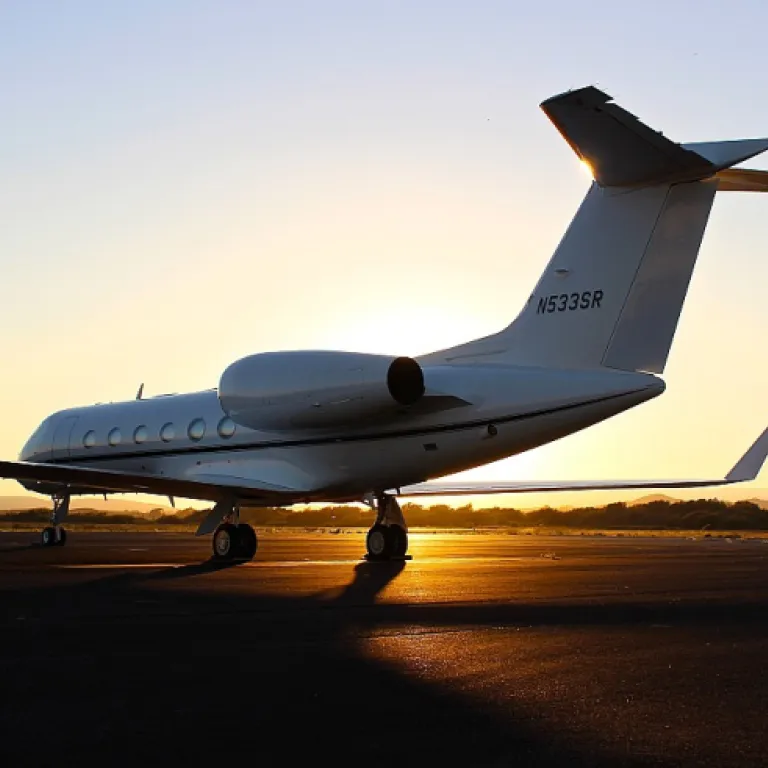

Understanding what defines a midsize private jet
What Sets Midsize Private Jets Apart?
Midsize private jets occupy a unique position in the world of business aviation. These aircraft are larger than light jets but smaller than super midsize or large cabin jets, offering a balance between comfort, range, and price. For travelers in North America and the United States, midsize jets are a popular choice for both business and leisure, thanks to their versatility and efficiency.
Typically, a midsize jet can seat 7 to 9 passengers comfortably, with a cabin size that allows for standing room and more amenities than smaller jets. The cabin is designed to provide a quiet, productive environment for business or relaxation during flights. Notable models in this category include the Cessna Citation XLS, Bombardier Learjet, Hawker series, and the Dassault Falcon family. These jets are equipped with two engines, which contribute to their performance and reliability.
- Range: Midsize jets typically offer a range of 2,000 to 3,500 nautical miles, making them suitable for coast-to-coast flights in the United States or trips across North America without refueling.
- Cabin Comfort: The cabin size in midsize jets allows for amenities such as enclosed lavatories, refreshment centers, and sometimes even Wi-Fi connectivity.
- Performance: These aircraft are designed for efficient travel, with cruising speeds that rival some larger business jets.
- Price: The price of a midsize jet is generally more accessible than super midsize or large jets, both for purchase and charter, making them a practical option for many travelers.
When comparing midsize jets to light jets or super midsize jets, it’s important to consider your typical passenger count, desired range nautical, and the level of comfort you expect. If you’re interested in exploring other aircraft options, you might find this guide on finding your ideal Piper Saratoga for sale helpful for understanding the broader landscape of private aviation.
Understanding what defines a midsize jet is the first step in making an informed decision about your next private jet experience. The next sections will explore the key features, amenities, and performance metrics that set these jets apart in the business aviation market.
Key features and amenities in midsize private jets
What Sets Midsize Jet Cabins Apart?
Midsize private jets are designed to balance comfort, performance, and value. The cabin size is a key differentiator from light jets, offering more space for passengers and luggage. Typically, these aircraft seat between 7 and 9 passengers, making them ideal for business trips or family travel across North America and beyond. The cabin height usually allows most adults to stand upright, which is a significant upgrade from smaller jets.
Comfort and Amenities Onboard
When comparing midsize jets, amenities play a major role in the travel experience. Expect features such as:
- Spacious seating arrangements, often with club-style seats and divans
- Enclosed lavatories for privacy
- Refreshment centers or galleys for snacks and drinks
- Advanced entertainment systems and connectivity options
- Generous baggage compartments accessible during flight
Models like the Bombardier Challenger, Dassault Falcon, and Cessna Citation XLS are known for their well-appointed cabins and thoughtful layouts. The Gulfstream G150 and Hawker 800XP also stand out for their comfort and quiet engines.
Technology and Performance Features
Midsize jets are equipped with modern avionics, enhancing safety and navigation. Many aircraft in this category feature powerful twin engines, supporting longer range and higher cruising speeds compared to light jets. For example, the Bombardier Learjet 60 and Citation X are recognized for their speed and efficient range nautical capabilities.
Comparing Midsize to Super Midsize and Light Jets
While super midsize jets offer even more space and range, midsize jets strike a balance between price, size, and operational costs. They are more affordable than super mid and large business jets, yet provide a significant upgrade over light jets in terms of cabin comfort and range. This makes them a popular choice for business aviation in the United States and internationally.
Specialized Features for Business Travelers
Business jets in the midsize category often include features tailored for productivity, such as Wi-Fi, power outlets, and conference-style seating. This allows passengers to work efficiently during flights, making midsize jets a preferred option for corporate travel.
For those interested in exploring other aircraft types, such as helicopters for unique travel needs, you can find a helpful guide on MD 500 helicopters for sale.
Performance and range: how far can you go?
How far can midsize jets really take you?
When considering a midsize private jet, range is a crucial factor. Range determines how far your aircraft can fly without refueling, directly impacting your travel flexibility. Midsize jets are designed to bridge the gap between light jets and larger business jets, offering a balance of cabin comfort, speed, and operational efficiency.
Most midsize jets can cover between 2,000 and 3,500 nautical miles on a single tank. This means you can comfortably fly nonstop between major cities across North America, such as New York to Los Angeles or Dallas to Seattle. Some super midsize jets even stretch this range, making transcontinental or short international flights possible.
- Cabin size and passenger load: The number of passengers and luggage can affect the maximum range. A full cabin may slightly reduce how far the jet can travel nonstop.
- Engines and efficiency: Modern engines in jets like the Bombardier Challenger or Dassault Falcon are engineered for optimal fuel efficiency, helping extend range without sacrificing speed.
- Popular models: The Cessna Citation XLS, Hawker 800XP, and Bombardier Learjet 60 are well-known midsize jets, each offering unique range capabilities. For example, the Citation XLS typically covers around 2,100 nautical miles, while the Falcon 2000 can reach up to 3,350 nautical miles.
- Flight profiles: Weather, routing, and altitude can also influence how far your midsize jet can go. Experienced operators and pilots will plan routes to maximize efficiency and comfort.
For travelers who need to reach destinations beyond the range of midsize jets, super midsize or large cabin jets may be more suitable. However, for most business and leisure trips within the United States or North America, midsize jets offer an excellent balance of price, range, and comfort.
Understanding the range and performance of midsize jets is key to matching your travel needs with the right aircraft. If you’re interested in how range and other factors influence the costs of renting a private jet, this resource provides a detailed breakdown.
Cost considerations: purchase, charter, and operation
Breaking Down the Costs of Midsize Private Jets
When considering midsize private jets, understanding the full spectrum of costs is essential. Whether you are looking at a Cessna Citation XLS, a Bombardier Challenger, or a Dassault Falcon, the price tag goes beyond the initial purchase. Let’s explore the main financial factors involved in owning or chartering a midsize jet.
- Purchase Price: Midsize jets typically range from $7 million to $17 million, depending on the model, age, and onboard amenities. For example, a newer Gulfstream or Falcon can command a higher price due to advanced avionics and cabin features.
- Charter Rates: If you prefer not to own, chartering is an option. Expect hourly rates between $3,500 and $6,000 for popular midsize jets like the Hawker 800XP or Bombardier Learjet 60. These rates can fluctuate based on the aircraft’s size, range, and demand in North America or the United States.
- Operating Expenses: Annual operating costs for midsize jets can reach $1 million to $1.5 million. This includes fuel, maintenance, crew salaries, insurance, and hangar fees. Jets with two engines, such as the Citation XLS or Falcon 2000, may have higher maintenance costs compared to some light jets.
- Depreciation: Like most business jets, midsize aircraft depreciate over time. Factors such as total hours flown, cabin upgrades, and overall condition impact resale value. Models with a strong reputation for reliability, such as the Bombardier Challenger series, tend to retain value better.
Factors That Influence Cost
The cost of a midsize jet is shaped by several variables:
- Range and Performance: Jets with longer range—up to 3,000 nautical miles—often come with a higher price tag. For example, super midsize jets can fly farther and accommodate more passengers, but they also cost more to operate than standard midsize jets.
- Cabin Size and Amenities: A larger cabin with advanced business aviation features, such as Wi-Fi, entertainment systems, and custom interiors, increases both purchase and operational costs.
- Brand and Model: Aircraft from established manufacturers like Gulfstream, Dassault, and Bombardier often command premium prices due to their reputation for quality and performance.
When comparing midsize jets, it’s important to balance your travel needs—such as passenger capacity, range nautical miles, and preferred cabin size—against your budget. Whether you’re considering a Citation, Falcon, or Learjet, understanding these cost factors will help you make a more informed decision in the world of private aviation.
Popular models in the midsize private jet category
Leading Midsize Jets in Today’s Market
When considering midsize private jets, several aircraft stand out for their performance, comfort, and reliability. These jets are favored by business travelers and private flyers across North America and the United States, offering a balance between cabin size, range, and price. Here’s a look at some of the most popular models in the midsize jet category:- Cessna Citation XLS+: Known for its spacious cabin and efficient engines, the Citation XLS+ is one of the best-selling midsize jets. It accommodates up to nine passengers and offers a range of about 2,100 nautical miles. The XLS+ is praised for its reliability and is a frequent choice for business aviation.
- Bombardier Learjet 60XR: The Learjet 60XR is a classic in the midsize segment, offering impressive speed and a comfortable cabin. With a range of around 2,400 nautical miles, it’s suitable for coast-to-coast flights within the United States. The Learjet’s performance and advanced avionics make it a favorite among pilots and passengers alike.
- Hawker 800XP: The Hawker 800XP is recognized for its roomy cabin and strong performance. It can fly up to 2,540 nautical miles and typically seats eight passengers. The Hawker’s blend of comfort and efficiency makes it a staple in the midsize jets market.
- Gulfstream G150: Gulfstream’s G150 is a midsize jet that stands out for its speed and range, reaching up to 3,000 nautical miles. The cabin is designed for business productivity, with ample space for passengers and baggage. Gulfstream’s reputation for luxury and reliability is evident in this model.
- Bombardier Challenger 300: Often classified as a super midsize jet, the Challenger 300 offers a larger cabin and extended range—up to 3,100 nautical miles. It’s popular for transcontinental flights and provides a quiet, comfortable environment for up to nine passengers.
- Dassault Falcon 2000: The Falcon 2000 by Dassault is another super midsize jet, renowned for its elegant cabin and long-range capability. With a range of about 3,350 nautical miles, it is ideal for longer business trips and international travel.
Comparing Key Specifications
| Model | Cabin Size | Range (Nautical Miles) | Typical Passengers | Engines |
|---|---|---|---|---|
| Cessna Citation XLS+ | Mid size | 2,100 | 8-9 | 2 |
| Bombardier Learjet 60XR | Midsize | 2,400 | 7-8 | 2 |
| Hawker 800XP | Midsize | 2,540 | 8 | 2 |
| Gulfstream G150 | Midsize | 3,000 | 6-8 | 2 |
| Bombardier Challenger 300 | Super midsize | 3,100 | 8-9 | 2 |
| Dassault Falcon 2000 | Super midsize | 3,350 | 8-10 | 2 |
What Sets These Jets Apart?
Each of these midsize and super midsize jets brings something unique to the table. Whether you prioritize cabin comfort, range nautical capabilities, or price, there’s a model tailored to your travel needs. The Citation XLS+ and Hawker 800XP are often chosen for their balance of cost and performance, while the Challenger 300 and Falcon 2000 appeal to those seeking more space and longer range. Gulfstream and Dassault continue to set standards in business aviation with their focus on luxury and advanced technology. When selecting the right midsize jet, consider how many passengers you typically fly with, the distances you plan to cover, and the amenities that matter most to you. The variety in the midsize jets market ensures there’s a private jet that fits your business or leisure travel requirements.How to choose the right midsize private jet for your needs
Matching Your Travel Profile with the Right Jet
When it comes to selecting the ideal midsize private jet, it’s important to align your specific travel needs with what each aircraft offers. The midsize jet category is diverse, with options ranging from the Cessna Citation XLS to the Bombardier Challenger 350 and the Dassault Falcon 2000. Each jet brings a unique combination of range, cabin size, and amenities, so understanding your priorities is key.
Consider Your Typical Routes and Range Requirements
Think about the distances you usually travel. Midsize jets typically offer a range between 2,000 and 3,500 nautical miles, making them suitable for coast-to-coast flights within the United States or even transcontinental trips in North America. If your business or leisure trips often exceed these distances, you might want to look at super midsize jets or even larger aircraft. For shorter hops, a light jet could be more cost-effective.
Cabin Comfort and Passenger Capacity
The cabin size and layout can make a significant difference in your experience. Midsize jets like the Gulfstream G150 or the Hawker 800XP are designed to accommodate 7 to 9 passengers comfortably, with stand-up cabins and ample baggage space. Consider whether you need a flat floor, a full galley, or a lavatory with a vanity. If you frequently travel with a larger group or require more space for business meetings, look for jets with a more spacious cabin, such as the Dassault Falcon 2000.
Performance and Operating Costs
Performance factors such as speed, runway requirements, and fuel efficiency can impact both convenience and price. For example, the Bombardier Learjet 75 is known for its speed and efficient engines, while the Citation XLS is praised for its ability to access smaller airports. Operating costs, including maintenance, crew, and fuel, vary between models. If you plan to charter rather than purchase, compare hourly rates and availability in your region.
Comparing Popular Models
| Model | Range (Nautical Miles) | Cabin Size | Typical Passengers | Engines |
|---|---|---|---|---|
| Cessna Citation XLS | 2,100 | Mid size | 8-9 | 2 |
| Bombardier Challenger 350 | 3,200 | Super midsize | 8-10 | 2 |
| Dassault Falcon 2000 | 3,350 | Spacious midsize | 8-10 | 2 |
| Hawker 800XP | 2,540 | Midsize | 8 | 2 |
| Bombardier Learjet 75 | 2,040 | Light midsize | 8 | 2 |
Final Tips for Making Your Decision
- Define your typical passenger count and baggage needs.
- Prioritize range and performance based on your most frequent routes.
- Compare cabin amenities and comfort features.
- Evaluate total cost of ownership or charter, including maintenance and crew.
- Consult with a trusted aviation advisor or broker to review available midsize jets and arrange a demonstration flight if possible.
Choosing the right midsize private jet is about balancing your travel profile, comfort expectations, and budget. With careful consideration of the factors above, you’ll be better equipped to select the aircraft that best meets your business or personal aviation needs.