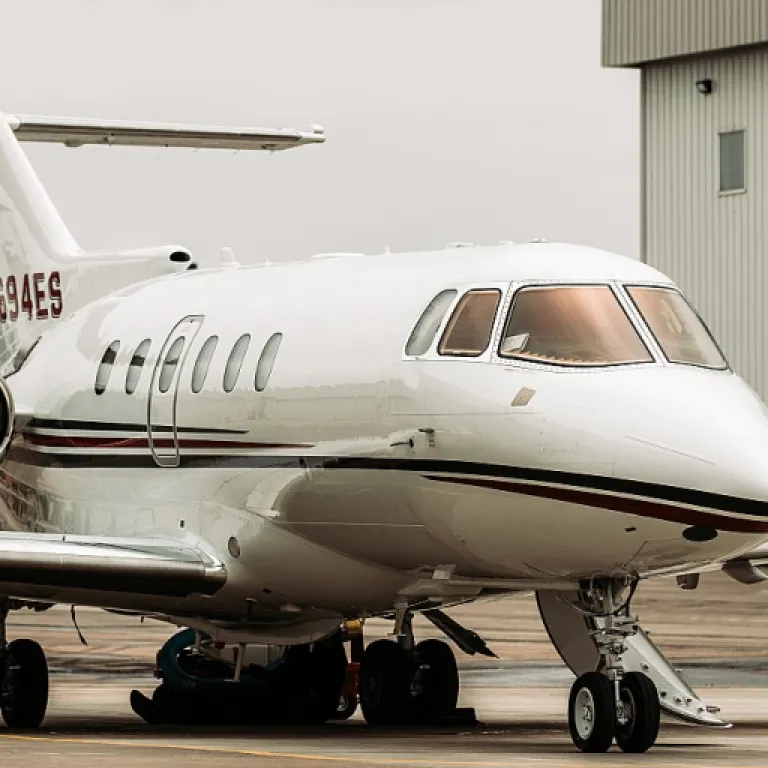

Understanding the Pilatus PC-6 and its unique capabilities
What Makes the Pilatus PC-6 Stand Out?
The Pilatus PC-6, often called the Pilatus Porter or Pilatus Turbo Porter, is a legendary aircraft in the world of aviation. Manufactured by Pilatus Aircraft in Switzerland, this turbo-prop plane has built a reputation for its ruggedness, reliability, and unique performance capabilities. Since its introduction in the late 1950s, the PC-6 has been a favorite for pilots who need an aircraft that can handle challenging environments and demanding missions.
Key Features and Capabilities
- STOL Performance: The PC-6 is renowned for its Short Takeoff and Landing (STOL) abilities. It can operate from short, unprepared airstrips, making it ideal for remote locations and rough terrain.
- Turbo Engine: Powered by a reliable turbo-prop engine, the Pilatus Turbo Porter delivers strong performance at high altitudes and in various weather conditions. This engine design ensures dependable service and efficiency over many years of flying.
- Versatile Configuration: The aircraft offers flexible seating and cargo arrangements, including dual controls for pilot training or operations requiring two pilots. Its empty weight and payload capacity allow for a wide range of missions, from cargo transport to passenger flights.
- Durability: Built by Pilatus Switzerland, the PC-6 is engineered for longevity and low maintenance. Many aircraft have logged thousands of hours in service, a testament to their robust construction.
Why Consider a Pilatus PC-6 for Sale?
For those seeking an aircraft for sale that combines versatility, reliability, and proven performance, the Pilatus PC-6 stands out. Whether you are interested in flying in challenging environments, need a workhorse for utility missions, or want an aircraft with a strong service record, the PC-6 offers a compelling package. Buyers should pay close attention to details like engine hours, propeller condition, and factory maintenance history when evaluating a specific aircraft.
If you are comparing different aircraft options, you might also find value in exploring other versatile aircraft for sale to better understand how the Pilatus PC-6 fits your needs.
Typical uses and missions for the Pilatus PC-6
Versatility in Real-World Missions
The Pilatus PC-6, often called the Pilatus Porter or Turbo Porter, is renowned in aviation circles for its ability to handle a wide range of missions. Its unique combination of a powerful turbo engine, rugged airframe, and short takeoff and landing (STOL) capabilities makes it a favorite for operators who need flexibility and reliability in challenging environments. Whether you are considering a Pilatus aircraft for sale for commercial, humanitarian, or private use, understanding its typical roles can help you assess if it matches your flying needs.
- Remote Access and Bush Flying: The PC-6 is designed for operations from unprepared strips, gravel, grass, or even snow. Its low empty weight and robust propeller allow it to land and take off where many other aircraft cannot.
- Cargo and Utility Transport: With a spacious cabin and dual controls, the Pilatus Turbo Porter is often used for cargo drops, supply runs, and logistical support in remote regions. Operators in Switzerland, Belgium, and beyond rely on its payload capacity and reliability.
- Skydiving and Aerial Work: The large side door and quick climb rate make it a popular choice for skydiving clubs and aerial survey companies. The aircraft’s ability to operate for many hours with minimal service interruptions is a key advantage.
- Humanitarian and Medical Missions: Organizations use the Pilatus PC-6 for medical evacuations, disaster relief, and aid delivery, especially where infrastructure is limited. Its factory support and global service network add to its appeal for these critical missions.
- Specialized Government and Military Roles: Some government agencies and military units use the PC-6 for surveillance, border patrol, and training, thanks to its adaptability and proven track record over the years.
For those interested in the broader world of utility aviation, you might also find value in exploring what to know before buying a utility helicopter, as many operational considerations overlap with the Pilatus Porter’s mission profile.
When evaluating a Pilatus PC-6 for sale, consider how its capabilities align with your intended missions. The aircraft’s reputation for reliability, combined with its ability to operate in diverse environments, continues to make it a sought-after choice in the aviation market. Details such as engine hours, service history, and factory support will play a crucial role in your decision-making process, as covered in other sections of this guide.
Key factors to consider when searching for a Pilatus PC-6 for sale
What to Check Before Purchasing a Pilatus PC-6
When searching for a Pilatus PC-6 for sale, it’s essential to look beyond the initial price tag. This aircraft, also known as the Pilatus Turbo Porter, is valued for its versatility, but each airframe has its own story. Here are the main factors to consider:- Airframe and Engine Hours: The total time on the airframe and the turbo engine will impact both value and future maintenance. Lower hours usually mean less wear, but always verify the aircraft’s logbooks for accuracy.
- Maintenance History: A complete and transparent service record is crucial. Look for regular factory-authorized maintenance, especially if the aircraft has been operated in challenging environments like short landing strips or high-altitude airfields.
- Propeller and Engine Overhaul Status: The Pilatus PC-6’s propeller and turbo engine require periodic overhauls. Check when the last overhauls were performed and when the next ones are due. This will affect your initial and ongoing costs.
- Avionics and Upgrades: Older PC-6s may have outdated avionics. Modernizing the cockpit can improve safety and pilot comfort, but it comes at a price. Dual controls and upgraded navigation systems are valuable for training or commercial use.
- Configuration and Modifications: The Pilatus Porter is known for its adaptability. Some aircraft are equipped for skydiving, cargo, or special missions. Make sure the configuration matches your intended use, and check for any modifications that could affect performance or empty weight.
- Previous Use and Operating Environment: Aircraft operated by reputable organizations, such as GOSP Pilatus or those maintained in Belgium Pilatus or Pilatus Switzerland facilities, often have better maintenance standards. Consider where and how the aircraft has been flown over the years.
- Support and Parts Availability: Pilatus aircraft are well-supported, but sourcing specific parts for older models can be a challenge. Confirm the availability of support from Pilatus Switzerland or authorized service centers.
| Factor | Why It Matters |
|---|---|
| Engine & Propeller Hours | Impacts reliability and upcoming overhaul costs |
| Maintenance Records | Shows care and compliance with aviation standards |
| Avionics | Affects safety, pilot workload, and resale value |
| Configuration | Determines suitability for your missions |
| Support Network | Ensures ongoing service and parts supply |
Operational costs and ownership expenses
Breaking Down the Real Costs of Pilatus PC-6 Ownership
When considering a Pilatus PC-6 for sale, understanding the operational costs and ownership expenses is essential. The Pilatus PC-6, also known as the Turbo Porter, is renowned for its ruggedness and versatility, but like any aircraft, it comes with specific financial responsibilities. Here’s what you need to know before making a purchase decision.
- Fuel Consumption: The Pilatus Turbo Porter is powered by a reliable turbo engine, typically the Pratt & Whitney PT6A. Fuel burn rates average between 25 and 35 gallons per hour, depending on mission profile, altitude, and payload. This impacts both direct operating costs and flight planning.
- Maintenance and Service: Regular maintenance is crucial for safety and performance. The PC-6’s robust design means fewer unscheduled repairs, but scheduled inspections—such as airframe, engine, and propeller checks—are required at set intervals (often every 100, 300, and 600 hours). Factory support from Pilatus Switzerland and authorized centers in regions like Belgium ensures access to genuine parts and expertise.
- Insurance: Insurance premiums vary based on pilot experience, aircraft usage, and hull value. The unique capabilities of the Pilatus Porter, including its short takeoff and landing (STOL) performance, may influence rates, especially if operating in challenging environments.
- Hangar and Storage: Protecting your aircraft from the elements is vital. Hangar fees differ by location, but storing a Pilatus PC-6—given its empty weight and wingspan—typically costs less than larger turboprops.
- Depreciation and Resale: The PC-6 holds value well due to its reputation and demand in specialized aviation markets. However, factors like total airframe hours, engine time since overhaul, and service history will affect resale price.
- Upgrades and Modifications: Many owners invest in avionics upgrades, dual controls for training, or mission-specific modifications. These can add to initial costs but may enhance operational flexibility and long-term value.
| Expense Category | Typical Range (USD/year) | Notes |
|---|---|---|
| Fuel | $25,000 – $40,000 | Based on 200–300 flying hours |
| Maintenance | $15,000 – $30,000 | Includes scheduled and minor unscheduled service |
| Insurance | $6,000 – $12,000 | Varies by pilot, usage, and aircraft value |
| Hangar | $3,000 – $8,000 | Depends on region and facility |
| Upgrades | $5,000 – $20,000 | Optional, for avionics or mission equipment |
It’s important to review the aircraft’s logbooks and service records for details on previous maintenance, engine overhauls, and propeller condition. The time since last overhaul (TSO) for both engine and propeller will directly impact future expenses. For buyers in regions like Belgium or those seeking factory support, Pilatus Switzerland and authorized service centers offer reliable assistance and parts availability.
In summary, while the Pilatus PC-6 is not the least expensive aircraft to operate, its unique capabilities and strong support network make it a solid choice for pilots and operators who need a rugged, versatile turbo aircraft. Always factor in both fixed and variable costs when evaluating any aircraft sale opportunity.
Maintenance and support for the Pilatus PC-6
Maintenance Demands for the Pilatus Turbo Porter
The Pilatus PC-6, also known as the Pilatus Turbo Porter, is respected for its rugged design and reliability. However, like any aircraft, it requires diligent maintenance to ensure safety and performance. The PC-6’s turbo engine and propeller system are central to its reputation for versatility, but they also demand regular inspections and care. Pilots and owners should be aware that the aircraft’s unique short takeoff and landing (STOL) capabilities put extra stress on landing gear and airframe components, especially when operating from rough or unprepared strips.
Factory Support and Spare Parts Availability
Pilatus Switzerland, the original manufacturer, continues to provide strong factory support for the PC-6. This includes technical documentation, service bulletins, and access to genuine parts. Many operators appreciate the ongoing commitment from Pilatus aircraft service centers, which are located worldwide, including in Belgium. When considering an aircraft for sale, it’s wise to verify the availability of spare parts and the proximity of authorized maintenance facilities. This can impact both service time and overall price of ownership.
Engine and Propeller Overhaul Intervals
The turbo engine powering the Pilatus Porter is robust, but it comes with specific overhaul intervals based on hours flown and years in service. Typical time between overhauls (TBO) for the engine and propeller should be checked in the aircraft’s logbooks. Prospective buyers should pay close attention to these details, as approaching an overhaul can significantly affect the sale price and immediate maintenance costs. Dual controls and other modifications may also influence the maintenance schedule, so reviewing all aircraft details is essential before purchase.
Operational Support and Pilot Training
Given the PC-6’s unique flying characteristics, especially its ability to operate at high empty weight and in challenging environments, specialized pilot training is recommended. Pilatus and several aviation organizations offer type-specific training programs. This not only enhances safety but also helps pilots understand the nuances of the aircraft’s systems and service requirements. Ongoing support from the factory and experienced aviation professionals can make a significant difference in the long-term ownership experience.
- Check for up-to-date maintenance records and compliance with service bulletins
- Confirm the availability of spare parts for the turbo porter in your region
- Review engine and propeller hours to anticipate upcoming overhaul costs
- Consider the benefits of factory-authorized service centers, especially for complex repairs
Whether you are looking at a Pilatus PC-6 for sale in Switzerland, Belgium, or elsewhere, understanding the maintenance landscape is key to making an informed decision. The right support network will help keep your aircraft in top flying condition for years to come.
Where to find Pilatus PC-6 aircraft for sale
Where Pilatus PC-6 Listings Appear
If you are actively searching for a Pilatus PC-6 Turbo Porter for sale, knowing where to look is key. This aircraft, known for its unique capabilities and versatility, is often listed on specialized aviation marketplaces and by reputable aircraft brokers. Pilatus aircraft, especially those manufactured in Switzerland, are sometimes available directly from factory-authorized dealers or through established resellers with years of experience in the field.- Aviation Marketplaces: Websites dedicated to aircraft sale, such as Controller, ASO, and GlobalPlaneSearch, frequently feature Pilatus PC-6 listings. These platforms allow you to filter by year, engine hours, propeller time, and specific features like dual controls or empty weight.
- Authorized Pilatus Dealers: For those seeking a newer model or factory support, contacting Pilatus Switzerland or regional representatives (including Belgium Pilatus dealers) can provide access to well-maintained aircraft with detailed service records.
- Specialized Brokers: Aviation brokers with expertise in Pilatus aircraft often have access to off-market deals and can guide you through the details of the transaction, including price negotiation and pre-purchase inspections.
What to Look for in Listings
When reviewing Pilatus PC-6 Turbo Porter listings, pay close attention to the following details:- Engine and Propeller Hours: Lower hours can indicate less wear, but always review maintenance logs for a complete picture.
- Service History: Comprehensive records are essential for understanding past flying conditions and any major repairs or upgrades.
- Configuration: Some aircraft are equipped for specific missions, such as cargo, skydiving, or bush flying. Check for features like dual controls or GOSP Pilatus modifications.
- Location: Aircraft based in Switzerland or Europe may have different avionics or service standards compared to those operated elsewhere.
Tips for a Successful Search
- Set clear criteria for your desired Pilatus Turbo Porter, including year, price range, and intended use.
- Engage with sellers who provide transparent details and are willing to share full maintenance documentation.
- Consider working with a trusted aviation consultant or pilot familiar with the PC-6 to evaluate aircraft condition and suitability for your needs.