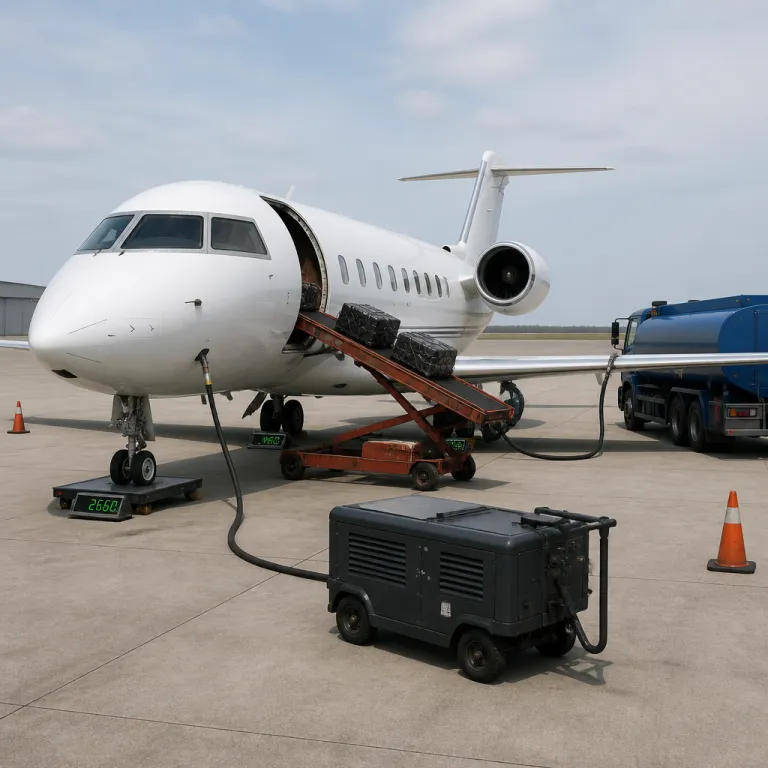

Challenger 650 range in real world business aviation
The Challenger 650 range sits at the heart of modern business aviation, balancing intercontinental reach with manageable operating costs. According to Bombardier’s published specifications and Aircraft Flight Manual (AFM) performance tables, this Challenger series jet is certified for about 7,408 kilometres of range, or roughly 4,000 nautical miles, in standard long range conditions with four passengers and NBAA IFR reserves. For a person comparing private jets, that Challenger 650 range figure translates into nonstop flights such as Paris to New York or Dubai to London under typical winds, as reflected in NBAA range profiles for large cabin business aircraft.
On paper, the aircraft offers a maximum range capability that rivals some larger business jet types, yet real missions rarely match brochure numbers. Actual Challenger aircraft performance depends on payload, air temperature, runway length and cruise speed, so a fully loaded private jet with all 12 seats occupied will not reach the same distance as a lighter charter configuration. Industry analyses of super midsize and large cabin jets, such as the range modelling in business aviation fleet comparison reports and NBAA performance studies, generally place the Challenger 650’s practical nonstop reach in the 6,000 to 6,800 kilometre band with typical passenger loads and reserves. When you plan a business flight, a skilled dispatcher will often assume a slightly shorter long range profile for Challenger 650 operations to preserve fuel margins and routing flexibility.
Compared with other business jets in the same category, the Challenger 650 range is competitive rather than extreme. A typical Dassault Falcon tri-jet such as the Falcon 7X or Falcon 8X may fly farther, while a Gulfstream large cabin aircraft or a Bombardier Global ultra long range jet will comfortably exceed 9,260 kilometres. For many business travellers, though, the Challenger series sweet spot is that it covers most global city pairs with one fuel stop at most, while keeping charter pricing below the flagship Global and Gulfstream models. In practice, that balance of reach, cabin comfort and cost is why many operators treat the Challenger 650 as a workhorse rather than a vanity purchase.
Engines, speed and how they shape the Challenger 650 range
The Challenger 650 uses two General Electric CF34 engines, and these powerplants are central to its range and cruise speed profile. At typical long range cruise, the aircraft flies near Mach 0.78, while a higher cruise speed around Mach 0.80 to Mach 0.82 is available when schedule matters more than fuel burn. Every knot of extra airspeed shortens the flight time but also trims the Challenger 650 range, which is why operators constantly balance time against fuel.
When you compare this Bombardier Challenger to a Bombardier Global or a Gulfstream G650 class jet, the difference lies less in speed and more in fuel volume and wing design. Ultra long range jets carry significantly more fuel and use wings optimised for higher altitude cruise, which extends their range capability beyond 11,000 kilometres. A detailed analysis of what Mach 0.95 buys on an ultra long range Global model, such as the discussion in a transpacific performance comparison based on manufacturer data and NBAA long range cruise assumptions, helps frame why the Challenger 650 range is tuned for efficiency rather than record breaking speed.
In practical terms, most business jet missions in Europe, the Middle East and North America fall well inside the Challenger 650 range envelope. A three hour private flight at long range cruise speed near Mach 0.78 barely touches the fuel reserves of this Challenger design. Only when you push toward the maximum advertised nautical miles with high payload and strong headwinds does the aircraft approach its performance limits, and that is where careful flight planning and step climbs protect both safety and comfort.
Cabin length, width and height versus range performance
Inside the Challenger 650 cabin, passengers experience a layout that feels more like a small living room than a narrow tube. The cabin length is about 7.8 metres, with a generous cabin width of roughly 2.4 metres and a flat floor cabin height close to 1.83 metres, which allows most travellers to stand comfortably. This combination of cabin length and width supports typical configurations of 9 to 12 seats, and that seating density directly influences how owners use the Challenger 650 range.
A heavier interior fit-out with extra business seats, divans and bespoke materials adds weight, which slightly reduces the maximum range capability of the aircraft. Operators who prioritise the longest possible Challenger 650 range often choose lighter materials and avoid unnecessary cabin monuments, trading some luxury features for extra kilometres of reach. For charter clients, the balance usually favours comfort, because most private jet flights in this class stay under 5,500 kilometres, well inside the long range envelope.
The cabin of this Bombardier Challenger is optimised for medium to long range missions rather than ultra long haul sectors. Compared with a larger Bombardier Global or a wide cabin Gulfstream, the Challenger series offers less length and cabin width but still delivers a quiet environment and low cabin altitude. Standards such as those analysed in an elite performance cabin benchmark and manufacturer comfort studies show how modern private jets, including Challenger aircraft and Dassault Falcon models, focus on acoustic comfort and air quality as much as raw range.
How real missions shape the effective Challenger 650 range
Range figures on a brochure assume ideal conditions, yet real world aviation rarely behaves so politely. A westbound transatlantic flight in strong headwinds can cut hundreds of nautical miles from the effective Challenger 650 range, even when the aircraft departs at maximum fuel. Eastbound, with tailwinds, the same private jet may land with comfortable reserves after a shorter time in the air and a higher average cruise speed.
Runway length and airport elevation also matter, especially for hot and high operations. From a short runway at a high altitude airfield, the Challenger 650 may need to limit take-off weight, which reduces fuel load and therefore range capability. That is why operators sometimes schedule a technical stop on demanding routes, even though the theoretical long range performance of the Challenger platform suggests a nonstop sector is possible.
Cabin loading is another subtle factor that many business travellers overlook. Twelve passengers with full baggage, plus catering and optional equipment, can add several hundred kilograms to the aircraft weight, trimming the Challenger 650 range by a noticeable margin. Professional charter brokers and flight departments use performance software to model these variables, similar to the avionics optimisation discussed in an analysis of advanced private jet avionics and NBAA fuel planning guidance, ensuring that each business jet mission stays within safe and efficient limits.
Comparing the Challenger 650 to Gulfstream, Dassault Falcon and Bombardier Global jets
For a person seeking information on private jet choices, context is essential. The Challenger 650 range places this aircraft in the super midsize to large cabin segment, where it competes with Gulfstream G280 and G450 class jets, as well as Dassault Falcon 2000 series aircraft. These competitors often offer similar cruise speed and cabin height, but some Gulfstream and Dassault Falcon models extend the maximum range figure by several hundred kilometres.
Above the Challenger series sit the Bombardier Global families, which are true ultra long range jets. A Bombardier Global 6000 or 7500 can fly more than 11,000 kilometres, connecting city pairs such as Hong Kong to London nonstop, far beyond the Challenger 650 range. The trade-off is higher acquisition cost, more complex maintenance and often a larger crew, which not every business jet user needs for typical regional or transatlantic missions.
Below the Challenger 650, the Bombardier Learjet lines historically offered smaller, faster aircraft with less cabin length and cabin width but impressive Mach capabilities. These lighter jets excel on shorter sectors where runway performance and high cruise speed matter more than long range endurance. For many corporate flight departments, a mixed fleet of Challenger aircraft and smaller jets covers both regional hops and longer business routes, while a few charter clients step up to a Bombardier Global or Gulfstream only when a specific mission exceeds the Challenger 650 range.
Charter economics, seats and when the Challenger 650 range is enough
From a charter perspective, the Challenger 650 hits a sweet spot between cost and capability. With typical layouts offering 10 to 12 seats, the aircraft spreads hourly operating costs across more passengers than smaller private jets, which can improve cost per seat for business groups. For many corporate travellers, the Challenger 650 range comfortably covers multi city tours within Europe, the Middle East or North America without the premium pricing of ultra long range aircraft.
Charter brokers often recommend this Bombardier Challenger when clients need a stand-up cabin height, a generous cabin length and a flat floor but do not require the extreme range performance of a Bombardier Global or large Gulfstream. On routes such as London to Riyadh or Singapore to Tokyo, the Challenger 650 range allows nonstop flights with reserves, while cabin comfort remains high thanks to good air circulation and low noise levels. Only when itineraries stretch toward very long range sectors, such as nonstop Asia to North America, does a Global or Dassault Falcon ultra long range jet become a necessity.
For private owners, the decision often hinges on how frequently they truly need more than 7,000 kilometres of range. If most missions involve 3 to 6 hour flights with 6 to 8 passengers, the Challenger 650 offers a balanced mix of business jet practicality, cabin comfort and predictable performance. In those scenarios, the Challenger 650 range is not a compromise but a well judged match to real world aviation patterns, while larger jets remain specialised tools for the rarest global missions.
Key figures on Challenger 650 range and performance
- The Challenger 650 has a published maximum range of about 4,000 nautical miles, or roughly 7,408 kilometres, based on standard long range cruise with four passengers and typical reserves, according to Bombardier data and AFM performance charts.
- Typical long range cruise speed is near Mach 0.78, while high speed cruise around Mach 0.80 to 0.82 shortens flight time but can reduce effective range by several hundred kilometres on long sectors, as shown in manufacturer fuel burn tables.
- The cabin length of approximately 7.8 metres and cabin width of about 2.4 metres place the Challenger 650 among the roomiest aircraft in its super midsize to large cabin class, offering up to 12 seats in common layouts.
- General Electric CF34 engines powering the Challenger 650 are derived from regional jet applications, which contributes to proven reliability and helps stabilise maintenance costs over long term business jet operations.
- Most charter missions in this category fall under 5,500 kilometres, meaning that in practical use the Challenger 650 range is rarely the limiting factor, while runway length, airport elevation and weather play a larger role.
FAQ about the Challenger 650 range and capabilities
How far can a Challenger 650 fly non stop in real conditions ?
In typical real world conditions with 6 to 8 passengers, the Challenger 650 can usually fly between 6,000 and 6,800 kilometres nonstop, depending on winds, temperature and routing. This is slightly below the brochure figure of about 7,408 kilometres, which assumes lighter payload and ideal conditions. For example, a mission planned using Bombardier AFM data and NBAA IFR reserves with eight passengers, standard temperatures and average headwinds might cover roughly 6,400 kilometres at Mach 0.78 before a fuel stop becomes prudent.
Which city pairs are best suited to the Challenger 650 range ?
The Challenger 650 range is ideal for routes such as Paris to New York, London to Dubai, Singapore to Tokyo or São Paulo to Miami with typical passenger loads. These missions sit well within the aircraft performance envelope, allowing for weather deviations and holding if needed. Ultra long sectors such as Hong Kong to Los Angeles usually require a fuel stop.
How does the Challenger 650 compare to a Gulfstream or Bombardier Global for range ?
Gulfstream and Bombardier Global models in the ultra long range category can fly 2,000 to 4,000 kilometres farther than the Challenger 650. They connect city pairs such as London to Singapore or New York to Tokyo nonstop, which exceeds the Challenger 650 range. However, they come with higher acquisition and operating costs, which many travellers do not need for typical regional and transatlantic missions.
Does cabin configuration affect the Challenger 650 range significantly ?
Yes, cabin configuration and interior materials can add weight, which reduces range by a measurable but usually modest amount. A heavier fit-out with more seats, divans and dense materials may trim a few hundred kilometres from the maximum range figure. For most business missions under 6,000 kilometres, this difference remains operationally negligible.
Is the Challenger 650 efficient for charter compared with smaller private jets ?
For groups of 6 to 10 passengers, the Challenger 650 often delivers better cost per seat than smaller private jets because it spreads hourly costs across more travellers. Its range also reduces the need for fuel stops on many routes, saving time and handling fees. For very small groups on short legs, however, a lighter jet or a Bombardier Learjet type may be more economical.