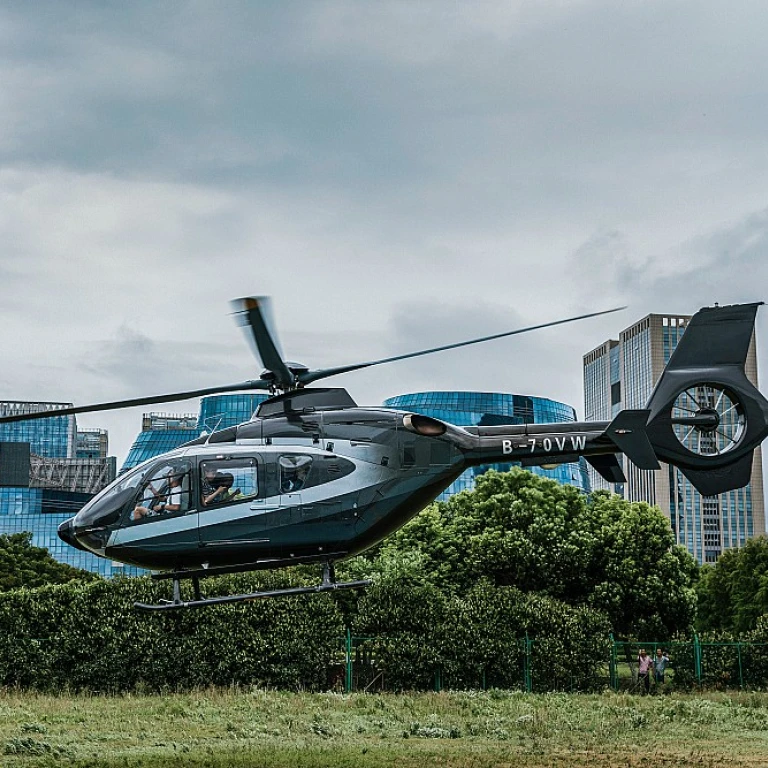

What makes private jet maintenance unique
Why Private Jet Maintenance Stands Apart
Private jet maintenance is a world apart from commercial aviation. While both share the goal of ensuring safety and reliability, private jets require a more tailored approach. Each aircraft is unique, with its own maintenance program, flight hours, and usage patterns. Owners and operators must work closely with their maintenance team to ensure every inspection, check, and service is performed according to the aircraft’s specific needs.
Unlike commercial fleets, private jets often have fewer flight hours but longer periods between flights. This means unscheduled maintenance can be more common, as parts may degrade due to inactivity rather than use. Routine inspections and preventive care are critical to avoid unexpected issues that could ground the jet and increase maintenance costs.
Another key difference is the level of personalization in service. Private aircraft owners expect a higher standard of care, from engine checks to avionics updates. Maintenance tasks are often scheduled around the owner’s travel plans, requiring flexibility and rapid response from the maintenance provider. This level of attention ensures the jet is always ready for flight, but it also adds complexity and cost to the maintenance process.
Safety is always the top priority in private aviation. Strict adherence to aviation regulations and best practices is non-negotiable. For a deeper look at how private jets maintain the highest safety standards, you can explore this resource on the safest private jet and aviation safety standards.
Ultimately, private jet maintenance is about more than just keeping an aircraft airworthy. It’s about protecting the owner’s investment, ensuring passenger safety, and delivering the seamless experience that private jet owners expect. This unique approach impacts everything from compliance and inspections to costs and provider selection, which we’ll explore further in the following sections.
Key regulations and compliance for private jets
Understanding the Regulatory Landscape in Private Aviation
Private jet maintenance is governed by a complex web of aviation regulations that differ from those for commercial aircraft. Regulatory bodies like the Federal Aviation Administration (FAA) in the United States and the European Union Aviation Safety Agency (EASA) in Europe set strict standards for private aircraft maintenance, inspections, and safety. These rules are designed to ensure that every jet, regardless of size or ownership, meets the highest safety benchmarks before each flight.
Compliance: More Than Just Paperwork
For jet owners and operators, compliance is not just about ticking boxes. Maintenance programs must align with manufacturer recommendations and regulatory requirements, covering scheduled maintenance, unscheduled maintenance, and routine inspections. Each maintenance task, from engine checks to avionics updates, must be logged and verified. Failure to comply can result in costly grounding of the aircraft, increased maintenance costs, or even legal consequences for aircraft owners.
- Scheduled maintenance: Regularly planned checks based on flight hours or calendar intervals
- Unscheduled maintenance: Addressing unexpected issues that arise between routine inspections
- Parts traceability: Ensuring all replacement parts are certified and documented
How Regulations Affect Maintenance Costs and Service Choices
Regulatory compliance directly impacts the cost of private jet maintenance. Adhering to aviation standards often means investing in specialized services, certified parts, and highly trained maintenance teams. Owners and operators must factor these requirements into their overall aircraft management strategy, balancing safety, service quality, and cost efficiency. Choosing the right maintenance provider becomes crucial, as not all facilities are authorized or equipped to handle the specific needs of private jets.
With the increasing integration of advanced technologies in private aviation, regulations are also evolving. For a deeper look at how innovations like AI are shaping safety standards and compliance, check out this article on the impact of advanced AI systems in ensuring luxury jet safety.
Routine checks and preventive care
Essential Daily and Scheduled Inspections
For private jet owners and operators, routine inspections are the backbone of safe and reliable aircraft operation. Unlike commercial aviation, private jets often have more personalized maintenance programs tailored to their unique flight schedules and usage patterns. Daily checks before each flight, known as pre-flight inspections, focus on critical systems like the engine, avionics, and landing gear. These checks help ensure that the jet is airworthy and ready for service, minimizing the risk of unscheduled maintenance and unexpected costs.
Preventive Care: Staying Ahead of Issues
Preventive care is a proactive approach that goes beyond basic inspections. Maintenance teams follow a structured maintenance program, which includes scheduled maintenance tasks based on flight hours or calendar intervals. These tasks might involve replacing worn parts, lubricating moving components, and testing avionics systems. By addressing potential issues early, owners can avoid costly repairs and keep maintenance costs predictable. For those interested in specific aircraft models, understanding Learjet 55 maintenance requirements can provide valuable insights into what to expect.
- Pre-flight and post-flight checks
- Engine performance monitoring
- Cabin and safety equipment inspections
- Regular cleaning and corrosion control
- Software and avionics updates
Tracking Flight Hours and Maintenance Intervals
Private jet maintenance programs are often structured around flight hours and cycles. Aircraft management teams use detailed logs to track when each inspection or service is due. For example, some parts require replacement after a set number of hours, while others depend on the number of takeoffs and landings. This careful tracking helps owners and operators stay compliant with aviation regulations and avoid costly downtime.
Working with Your Maintenance Team
Effective communication with your maintenance team is essential. Owners and operators should review maintenance records regularly and discuss upcoming scheduled maintenance or potential issues. A transparent relationship with your service provider ensures that all maintenance tasks are completed on time, and that the aircraft remains ready for flight. This approach not only supports safety but also helps manage maintenance costs over the long term.
Cost factors in private jet maintenance
Understanding the Financial Side of Jet Maintenance
When it comes to private jet ownership, maintenance costs are a significant part of the overall investment. These expenses go beyond simple repairs and include a wide range of services and checks that ensure your aircraft is always ready for safe flight. Maintenance costs can vary greatly depending on the type of jet, its age, usage, and the complexity of its systems.- Scheduled maintenance: These are routine inspections and tasks required at specific intervals, often based on flight hours or calendar time. They help prevent unexpected issues and keep your jet compliant with aviation regulations.
- Unscheduled maintenance: Sometimes, unexpected problems arise that require immediate attention. These can be costly, especially if parts are hard to source or if the jet is far from a certified maintenance provider.
- Parts and labor: The cost of genuine aircraft parts and skilled labor can add up quickly. High-quality parts and experienced technicians are essential for safety and reliability.
- Engine maintenance: Engines are among the most expensive components to maintain. Overhauls and inspections are scheduled based on flight hours and are crucial for long-term performance.
- Compliance and documentation: Staying up to date with aviation regulations requires regular inspections and paperwork, which can involve additional service fees.
Factors That Influence Maintenance Costs
Several elements affect how much jet owners and operators spend on aircraft maintenance:- Aircraft age and model: Older jets or rare models may require more frequent checks and harder-to-find parts, increasing costs.
- Flight hours: The more your private jet flies, the more often it will need routine inspections and preventive care.
- Maintenance program: Enrolling in a comprehensive maintenance program can help manage costs by covering scheduled maintenance and sometimes even unscheduled repairs.
- Service provider: The choice of maintenance team or facility can impact both quality and price. Experienced providers may charge more but offer greater peace of mind.
Budgeting for Maintenance
For aircraft owners, it is essential to plan for both predictable and unexpected expenses. Many private aviation experts recommend setting aside a maintenance reserve based on projected flight hours and the jet's maintenance history. This proactive approach helps ensure your private aircraft remains in peak condition and avoids costly surprises that could ground your jet. Ultimately, investing in high-quality maintenance services and regular inspections not only protects your asset but also ensures the safety and comfort of everyone on board.Choosing a maintenance provider for your private jet
How to Evaluate a Maintenance Provider
Selecting the right maintenance provider for your private jet is a decision that impacts not only safety but also long-term costs and operational reliability. With so many options in private aviation, owners and operators need to weigh several factors to ensure their aircraft receives the highest standard of care.- Expertise and Certifications: Look for providers with proven experience in private jet maintenance and the necessary aviation certifications. This ensures that all maintenance tasks, from routine inspections to unscheduled maintenance, are performed according to strict regulatory standards.
- Range of Services: A comprehensive maintenance program should cover scheduled maintenance, engine checks, avionics, and parts replacement. Some providers also offer aircraft management services, which can streamline the process for busy jet owners.
- Transparency in Costs: Maintenance costs can vary widely depending on the provider and the complexity of your jet. Ask for detailed estimates that break down labor, parts, and inspection fees. Understanding the cost structure helps avoid surprises and allows for better budgeting of flight hours and annual maintenance costs.
- Availability and Response Time: Downtime can be costly. Evaluate how quickly the maintenance team can respond to unscheduled maintenance or urgent repairs. Providers with a strong network and 24/7 support offer peace of mind for private aircraft owners.
- Reputation and References: Seek feedback from other jet owners and operators. A provider’s track record in safety, reliability, and customer service is often the best indicator of future performance.
Questions to Ask Before Signing a Maintenance Agreement
- What is included in the maintenance program, and how are additional services billed?
- How are unscheduled maintenance events handled, and what is the average turnaround time?
- Are genuine manufacturer parts used for all repairs and inspections?
- What is the provider’s experience with your specific jet model?
- How are maintenance records managed and made available to aircraft owners?
Common pitfalls and how to avoid them
How to Steer Clear of Costly Maintenance Mistakes
Managing a private jet means balancing safety, reliability, and costs. Even experienced aircraft owners and operators can fall into common traps that impact jet maintenance and overall aircraft management. Here are some pitfalls to watch out for, along with practical ways to avoid them:- Skipping Scheduled Inspections: Delaying or missing routine inspections can lead to undetected issues, which may result in unscheduled maintenance and higher costs down the line. Stick to your maintenance program and log all flight hours accurately to ensure timely checks.
- Underestimating the Importance of Qualified Teams: Relying on inexperienced or uncertified maintenance teams can compromise safety and lead to costly errors. Always choose providers with proven expertise in private aviation and a solid track record in aircraft maintenance.
- Neglecting Documentation: Incomplete or disorganized records of maintenance tasks, inspections, and parts replacement can cause compliance issues and reduce the value of your private jet. Ensure all documentation is up to date and accessible for every service performed.
- Overlooking Preventive Care: Focusing only on immediate issues rather than preventive care increases the risk of unexpected breakdowns. Regular checks on critical systems like the engine, avionics, and landing gear help maintain flight safety and control maintenance costs.
- Ignoring Cost Transparency: Not understanding the full scope of maintenance costs, including labor, parts, and unscheduled repairs, can lead to budget overruns. Request detailed estimates and clarify what is included in your maintenance program before committing to any service.
Best Practices for Private Jet Owners and Operators
- Establish a clear maintenance schedule based on flight hours and manufacturer recommendations.
- Work with reputable aircraft management companies or maintenance providers familiar with your specific jet model.
- Invest in ongoing training for your maintenance team to keep up with the latest aviation standards and technologies.
- Regularly review your maintenance program to ensure it aligns with your operational needs and regulatory requirements.