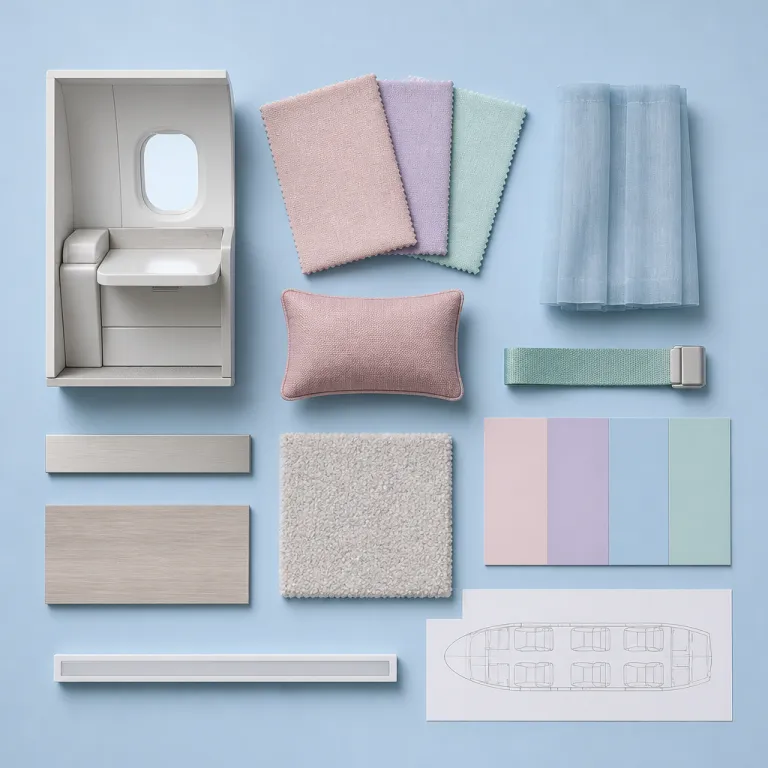
Why private jet interior design starts with your mission, not the mood board
A serious private jet interior design project begins with your mission profile, not a Pinterest style board. The way you travel between London, Dubai, New York, and Geneva dictates the aircraft, the cabin space, and every centimetre of interior that follows. A long range jet with a flat floor and quiet jet interior will feel very different from a light private plane optimised for short hops into Gstaad or Olbia.
Before any design studio sketches a line, you and your advisory team should define hard parameters such as typical stage length, passenger load, and whether the private aircraft will be owner flown or professionally managed. Those aviation decisions narrow the field between a Bombardier Global, a Gulfstream G600, or a Boeing Business Jet and they anchor what is realistic for the aircraft interior in terms of weight, range, and systems. Only then does it make sense to talk about interiors, from club seating layouts to a full bedroom suite in a widebody private jet.
On a clean sheet project, the manufacturer’s in house design studio will usually lead the early interior design workshops, while an independent studio may take over for a refurbishment or a pre owned jet. Both models can work for a demanding client, but the governance is different and so is the accountability when the final jet interiors do not match the glossy renderings. The most successful luxury private cabin projects start with a written brief that treats the aircraft like a mobile home and office combined, with clear priorities around work, rest, family, and discreet services.
Choosing your design studio, completion centre, and interior designers
Once the mission is clear, the next decision is who actually shapes the interior private environment you will live with for a decade. You can stay with the manufacturer’s design studio, move to a specialist completion centre, or appoint an independent boutique that treats the jet as a floating penthouse. Each option has implications for cost, schedule, and how much control you retain over every design luxury detail.
Manufacturer studios excel at integrating aircraft design constraints, certification rules, and jet aviation systems into a coherent package that will pass regulatory scrutiny. Independent interior designers and firms such as Winch Design often push bolder concepts, especially on widebody Boeing or Airbus corporate jets, but they still rely on a completion centre to translate sketches into certifiable aircraft interior structures. For a first time buyer of private jets, a hybrid model where the OEM studio partners with an external design private specialist can balance creativity with engineering discipline.
During selection, ask to see at least three completed jets similar to your target aircraft, not just renderings or a single hero project. Talk directly to another client about how the design team handled changes, budget pressure, and inevitable delays in services such as custom veneers or bespoke seating foams. This is also the moment to align on technology expectations, from cabin management systems to connectivity that can handle real time market data and video calls during private jet travel, and to review how tailwinds and routing affect cabin use by reading a detailed guide on how tailwinds shape private jet travel efficiency.
From sketches to certified cabin: the real design and engineering timeline
After contracts are signed, the private jet interior design process moves from mood boards to hard engineering, and the calendar suddenly matters more than the colour of the leather. Expect three distinct phases, starting with concept design, moving into detailed engineering, and ending with installation and certification of every interior component. Across new completions and major refurbishments, that journey typically runs from six to eighteen months depending on the aircraft, the scope, and how often the client changes their mind.
Concept design usually takes six to ten weeks and covers floor plans, material palettes, and the first 3D views of your jet interior, whether it is a Bombardier Global 6500, a Gulfstream G700, or a Boeing 767 private jet. This is when you decide how many zones the space will have, whether a full size bed replaces a divan, and how the galley supports both family travel and corporate catering. For widebody projects, owners often study case studies such as the Boeing 767 private jet customization process to understand what is structurally possible inside a large luxury aircraft.
Detailed design and engineering then translate those interiors into certified aircraft design packages, including wiring diagrams, structural reinforcements, and weight and balance calculations. Completion centres coordinate a large équipe of engineers, craftsmen, and suppliers to ensure the private plane meets aviation safety standards while delivering the promised luxury private ambience. This is also the phase where connectivity, entertainment, and cabin management systems are locked in, because retrofitting them later into a finished aircraft interior is expensive, disruptive, and often compromises both aesthetics and performance.
Weight, range, and why some beautiful ideas never leave the studio
Every kilogram you add to a private aircraft interior costs you range, climb performance, and sometimes access to shorter runways. That trade off is why some of the most seductive design studio renderings never survive the first serious weight and balance review. Marble floors, heavy stone countertops, and oversized lounge chairs look spectacular on screen but can quietly erode the very flexibility that made you choose private jets in the first place.
On a long range Bombardier Global or Gulfstream, a few hundred kilograms of extra interior weight can mean the difference between nonstop New York to Tokyo and an unplanned fuel stop in Anchorage. Completion centres use detailed données from structural engineers to calculate how each material, from seat frames to sidewall panels, affects the aircraft centre of gravity and fuel burn. Smart jet design therefore favours lightweight composites, engineered veneers, and clever storage solutions that preserve both luxury and performance in the jet interiors.
Owners who fly into high altitude airports such as Aspen, Samedan, or Toluca need to be even more disciplined about the mass of their interiors and the distribution of that mass along the length of the plane. A heavy aft lounge or a forward loaded galley can push the aircraft outside its certified envelope when tanks are full, forcing dispatchers to offload fuel or luggage and undermining the promise of seamless travel. Before approving any major change to the interior private layout, ask your team for a clear table showing the impact on range, payload, and climb gradients, not just a beautiful PDF from the design studio.
Technology, wellness, and the new language of luxury aircraft interiors
Luxury in private jet interior design has shifted from gold taps and glossy veneers to quiet cabins, healthy air, and invisible technology that simply works. The latest aircraft interior packages on models like the Bombardier Global 7500 or Dassault Falcon 8X integrate circadian lighting, lower cabin altitude, and improved humidity to reduce jet lag on ultra long haul travel. Those wellness features matter more to many owners than another exotic stone surface or a louder design luxury statement.
Connectivity is now a baseline expectation, not an optional extra, and it must be engineered into the jet interior from day one. High bandwidth satcom antennas, Wi Fi routers, and cabin management systems all occupy physical space, draw power, and generate heat that the aircraft design must accommodate. If you plan to work in flight, stream video, or monitor markets while your jets cross oceans, you need a clear specification for bandwidth, redundancy, and cybersecurity baked into the project brief.
Noise reduction is another frontier where serious clients quietly invest, because a calm cabin changes the entire private jet experience on a six hour sector. Advanced insulation packages, vibration damping, and careful separation of crew and passenger zones can make a mid size private plane feel like a much larger and more expensive jet. For a deeper sense of how performance and comfort intersect, many buyers study data on how fast private jets really fly and how speed affects comfort, then align their interior designers around that performance envelope.
Cost, resale value, and how personal is too personal
Refitting a private jet interior is not a soft furnishing exercise, it is a capital project with a clear impact on asset value. A light refresh with new seat covers, carpets, and sidewalls on a super midsize jet might start around five hundred thousand dollars, while a full cabin replacement on a large cabin aircraft can easily exceed five million. Widebody conversions for Boeing or Airbus corporate jets sit in a different league again, where the interior alone can rival the cost of a new smaller plane.
From a resale perspective, neutral palettes, flexible seating, and timeless materials tend to protect value better than highly personal themes or extreme layouts. A dedicated cinema room that replaces a bedroom may delight one client but narrow the pool of future buyers for that private aircraft, especially in markets where corporate use dominates. By contrast, investments in new connectivity, updated cabin management, and refreshed soft goods usually pay back through faster sale times and stronger offers when the time comes to exit.
Owners should treat the interior design budget like any other investment, with a clear strategy for which elements are for personal enjoyment and which are for long term value. Work with your advisory team to separate reversible choices, such as loose décor, from structural changes that require new Supplemental Type Certificates and significant downtime. The most sophisticated buyers of private jets accept that some design private decisions are pure lifestyle spend, while others are part of a deliberate plan to keep the aircraft attractive to the next generation of global buyers.
From green tag to first flight: managing delivery, snags, and the first year
The final weeks before delivery of a new or refurbished jet are often the most stressful, because expectations are high and the aircraft is almost, but not quite, ready. A proper handover on a luxury aircraft should include a detailed snag list, full training on cabin systems for crew and family office staff, and a clear schedule for resolving outstanding items. Rushing this phase to make a holiday trip or a board meeting is one of the most common and costly mistakes in private jet ownership.
Plan for at least one extended ground day with the aircraft at your preferred base or FBO, where you and your team can test every function from seat controls to galley equipment. Use that time to verify that the interiors match the approved drawings, that storage works for your actual luggage, and that the aircraft interior lighting scenes support both work and rest. Many clients also schedule a short shakedown flight with no guests, allowing crew to test procedures and identify any issues before the first high profile journey.
The first year of operation is when the reality of your private jet interior design choices becomes clear, from how easily fabrics clean to whether the cabin layout supports your real travel patterns. Keep structured feedback from crew and passengers, and share it with the design studio and completion centre so they can propose targeted improvements during the first major maintenance event. Over time, that disciplined loop between client, équipe, and technical partners turns a beautiful project into a genuinely functional flying home and office, aligned with the way you actually live, work, and move across the globe.
Key figures in private jet interior projects
- Major private jet interior refurbishments typically range from 500 000 to over 5 000 000 dollars, with widebody Boeing Business Jet or Airbus Corporate Jet completions often exceeding that range according to leading completion centres.
- End to end cabin completion timelines usually span 6 to 18 months, depending on aircraft size, certification complexity, and the number of design changes requested by the client during the project.
- Advanced noise reduction and insulation packages can reduce cabin sound levels by 3 to 5 decibels, a change that passengers perceive as a significantly quieter environment on long haul travel, based on acoustic testing data from major OEMs.
- Next generation circadian lighting systems in long range jets can simulate sunrise and sunset patterns across multiple time zones, which studies from aerospace medicine institutes link to reduced jet lag symptoms on ultra long flights.
- High speed satellite connectivity packages for private jets often add several hundred thousand dollars to the aircraft design and completion cost, but they are now specified on the majority of new long range business aircraft deliveries worldwide.
FAQ about private jet interior design
How long does a full private jet interior project usually take ?
A complete private jet interior design and completion project typically takes between six and eighteen months from initial brief to delivery. Shorter timelines are more realistic for light jets or modest refurbishments, while large cabin and widebody aircraft often sit at the upper end of that range. Delays usually come from late design changes, certification issues, or supply chain constraints on bespoke materials.
What are the main cost drivers in a luxury aircraft interior ?
The biggest cost drivers are the size of the aircraft, the extent of structural changes, and the level of customisation in materials and technology. Complex layouts, unique monuments such as bars or spa style bathrooms, and high end connectivity systems all add significant expense. Labour at specialised completion centres is also a major component, reflecting the skilled craftsmanship required for certified aviation interiors.
How does interior weight affect the performance of private jets ?
Every kilogram added to a private jet interior reduces range and can affect climb performance and runway requirements. On long range aircraft, a few hundred kilograms of extra weight may force an additional fuel stop on intercontinental routes. That is why engineers and designers work together to balance luxury materials with lightweight structures and careful weight distribution.
Should I use the manufacturer’s design studio or an independent interior designer ?
Manufacturer design studios offer deep knowledge of the specific aircraft design, certification rules, and system integration, which can reduce technical risk. Independent interior designers and specialist studios often bring more creative concepts and a residential or yacht like sensibility to the cabin. Many experienced owners choose a hybrid approach, pairing the OEM studio with an external designer while relying on a completion centre to coordinate engineering and certification.
Which interior choices help or hurt resale value for a private aircraft ?
Neutral colour schemes, flexible seating layouts, and up to date connectivity systems generally support stronger resale values. Highly personalised themes, unusual materials that are hard to maintain, or layouts that remove sleeping or working areas can narrow the pool of future buyers. When in doubt, owners often separate reversible décor choices from structural changes that are expensive to undo, protecting both enjoyment and long term asset value.