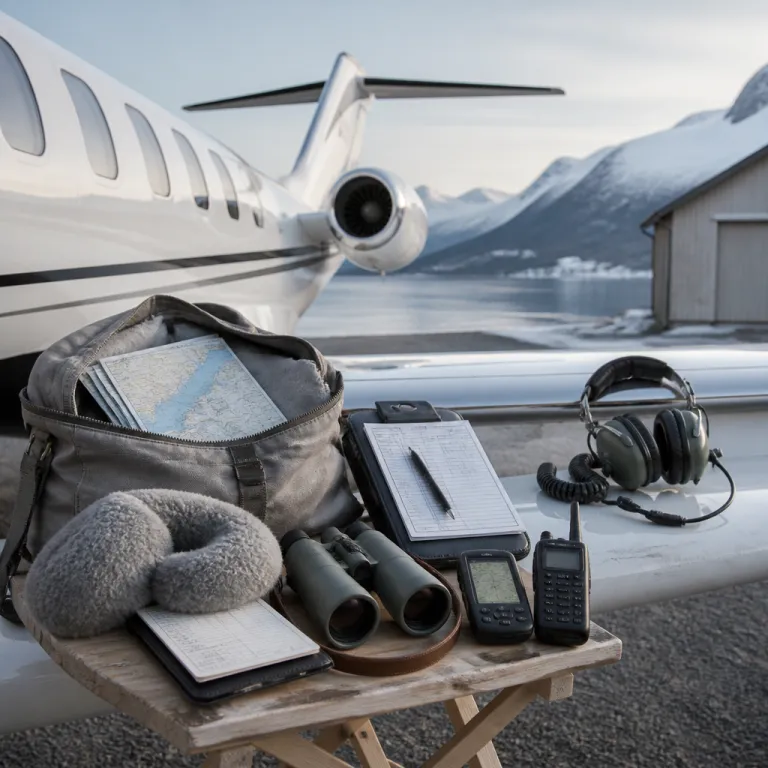
Why private jet travellers are pivoting to Nordic and Arctic summers
Heat fatigue is real for private jet travellers who have spent too many summers circling the same Mediterranean destinations. When coastal runways shimmer at 35 °C and slot delays stretch flights into the hottest hours of the day, the appeal of private jet Arctic summer destinations with air below 25 °C becomes obvious for clients and crews alike. The new status symbol is not the busiest beach club, but the quietest apron under a pale midnight sun.
Data from leading operators shows that travel demand is tilting north, with Iceland and Norway now appearing on the same shortlists as Mykonos and Ibiza for luxury escapes. VistaJet has reported that Iceland flights have grown strongly for its European summer program, and its latest Private World Collection now highlights the Lofoten Islands above the Arctic Circle as a flagship example of curated Arctic wonders. When a global fleet starts repositioning aircraft for summer Arctic itineraries, you know this is no passing whim for a few adventurous travellers.
For a luxury travel advisor, the logic is straightforward yet powerful. Clients want privacy, cooler air, and meaningful experiences rather than another crowded marina, so they are asking for private charter options that reach Lapland, the Lofoten Islands, and Finnish Lapland instead of only Saint Tropez. The result is a new map of destinations private flyers consider aspirational, where the sun phenomenon of the midnight sun replaces the old chase for northern lights in winter and where long days stretch experiences late into the nights.
There is also a practical angle that only becomes clear when you read destinations data across several seasons. High net worth travellers are increasingly structuring time in two parts, pairing a week of classic beach escapes with a second week inside the Arctic Circle for balance. For them, private jet Arctic summer destinations are not a niche, but a deliberate strategy to reclaim control over climate, crowds, and the overall rhythm of summer travel.
Key Nordic hubs and Arctic strips: what works for which aircraft
Once you move clients toward Arctic summer itineraries, runway length and handling quality matter more than the champagne list. A Gulfstream G650 or Bombardier Global 7500 can reach most Nordic destinations from the East Coast nonstop, but the last segment into smaller Arctic airports may require a lighter jet or a smart use of internal flights. Matching the right aircraft to the right strip is where a travel advisor earns their fee, not with another generic list of luxury escapes.
For Iceland, Keflavík International near Reykjavík is the primary gateway for long range private jet flights, with full customs, deicing, and several capable FBOs that understand private charter traffic. From there, travellers can connect by shorter internal flights to Ísafjörður or Akureyri for more remote experiences, or continue by helicopter to star hotels and lodges that sit closer to the Arctic Circle. This is also where you can pair an Iceland segment with warmer itineraries, using Keflavík as a pivot between classic beach travel and cooler summer Arctic escapes.
Norway offers a ladder of options that suit different jet sizes and budgets. Oslo Gardermoen handles heavy jets with ease, while Bodø, Tromsø, and Evenes open the door to the Lofoten Islands and other Arctic wonders with runways that are comfortable for super midsize types like the Challenger 350 or Praetor 600. When clients ask about the midnight sun, you can confidently route them through these hubs, knowing that ground handling, fuel, and onward boat or helicopter transfers are all proven for high end experiences.
Lapland is more fragmented, but that can work in your favor when planning bespoke itineraries. Rovaniemi and Kittilä in Finnish Lapland both accept midsize and some larger jets, and they are increasingly geared to summer as well as winter northern lights seasons. Advisors who already manage complex long haul trips, such as private flights to Hawaii for demanding families, will find that the same skills transfer neatly to stitching together Arctic charter segments across these northern destinations.
Designing Arctic summer journeys: routes, daylight, and seasonal timing
Routing to private jet Arctic summer destinations is less about distance on a map and more about time, daylight, and weather windows. From New York, a Global 6000 can reach Keflavík in roughly six hours, while a super midsize jet might need a fuel stop in Goose Bay or Narsarsuaq, which adds complexity but also opens unusual experiences. For travellers departing Australia, the picture changes completely, with flights departing Sydney or Melbourne typically routing via Asia or the Middle East before turning north toward Norway or Iceland.
For clients based in Australia, you will often combine long haul sectors on larger cabin aircraft with shorter Arctic charter segments once they reach Europe. That can mean a wide body or ultra long range jet for the Australia to Europe leg, followed by a private charter from London, Paris, or an efficient San Diego style regional hub to the Arctic Circle. In some cases, using Australia internal connections to reach a major gateway first, then booking separate flights departing from that hub into Europe, gives more flexibility on aircraft type and schedule.
Daylight is the defining sun phenomenon of the Arctic summer, and you need to plan around it with precision. Above the Arctic Circle, the midnight sun can keep the sky bright for weeks, which is magical for late dinners on the Lofoten Islands but disorienting for younger travellers if you do not manage sleep schedules. Build in darker rooms, flexible activity times, and at least one or two quieter nights so that the long light does not turn a luxury escape into a test of endurance.
Seasonal timing also shapes wildlife and nature experiences. Early summer Arctic itineraries in Norway and Iceland favor whale watching and lush green valleys, while late season trips in Finnish Lapland may catch the first hints of northern lights as the nights finally lengthen. Advisors who are used to planning complex positioning, such as arranging San Diego private planes for West Coast executives, will find that the same discipline around slots, fuel, and alternates applies even more strongly when you move into these remote destinations private travellers now crave.
The experience premium: curated programs, costs, and on the ground reality
What separates a forgettable cold trip from a true Arctic summer experience is the curation between the runway and the room key. VistaJet’s latest Private World Collection, for example, uses the Lofoten Islands as a stage for whale conservation work and polar explorer style training, turning simple flights into structured journeys that justify the premium over standard charter. Flexjet’s Red Label cabins, with consistent interiors and dedicated crews, offer a similar sense of continuity when hopping between several Nordic destinations in a single week.
On the ground, the best itineraries pair small scale star hotels or private lodges with activities that respect the fragile Arctic environment. In Norway, that might mean sea kayaking under the midnight sun, then returning by RIB to a converted fisherman’s cabin that has been quietly upgraded to luxury standards. In Finnish Lapland, summer Arctic escapes can include forest foraging, lake saunas, and evenings on glass fronted decks where the light lingers long after dinner, even if the northern lights remain a winter only spectacle.
Costs are higher than a simple hop to a Mediterranean beach, but they are also more transparent when you break them down. Expect longer positioning flights for the aircraft, higher handling fees at remote airports, and premium pricing for guides who can safely manage glacier hikes or boat transfers in changeable Arctic weather. For travel advisors who want a deeper understanding of how operators structure these costs, case studies on how executive focused companies elevate private jet travel for demanding executives can be a useful benchmark for evaluating Arctic charter proposals.
For all the talk of luxury escapes, the real value lies in control and calm. Clients step off a private jet into air that feels clean, quiet, and unhurried, with no paparazzi and no nightclub queue waiting just beyond the FBO door. In the end, what they remember from private jet Arctic summer destinations is not the price tag, but the first hour at altitude.
FAQ
Which Nordic and Arctic airports work best for large private jets in summer ?
For heavy jets such as a Gulfstream G650 or Global 7500, Keflavík in Iceland, Oslo Gardermoen in Norway, and Helsinki in Finland are the most reliable summer Arctic gateways. These airports offer long runways, full customs, and FBOs used to handling private charter flights. From there, travellers can connect to smaller Arctic destinations by lighter jets, helicopters, or internal flights.
How far in advance should I plan private jet Arctic summer destinations ?
For peak midnight sun periods in June and July, plan at least three to six months ahead for both flights and lodging. Runway slots at smaller Arctic Circle airports are limited, and the best star hotels or lodges in Lapland and the Lofoten Islands have few rooms. Early planning also helps you secure preferred aircraft types and optimal daylight timing for key experiences.
Can I combine Arctic summer escapes with a traditional beach holiday in one itinerary ?
Yes, many travellers now pair a week in the Mediterranean with a second week in Nordic or Arctic wonders. A typical pattern is to fly by private jet into a European hub, enjoy coastal destinations first, then route north by private charter to Norway, Iceland, or Finnish Lapland. This split itinerary balances warm beach days with cooler nights under the midnight sun.
Are Arctic summer trips suitable for families with children ?
Arctic summer itineraries can work very well for families if you manage daylight and activity levels carefully. Children often enjoy the long light, wildlife encounters, and outdoor experiences, but they need darkened rooms and structured rest to avoid fatigue. Advisors should build in flexible days, shorter transfers, and age appropriate activities around the Arctic Circle.
Do I need special insurance or safety measures for Arctic charter flights ?
Most standard private aviation policies cover flights to Nordic destinations, but operators may require specific safety briefings for remote Arctic strips. Crews plan conservatively around weather, alternates, and fuel, and reputable companies use aircraft and pilots with experience in these conditions. As an advisor, always verify operator credentials, deicing capabilities, and emergency procedures before confirming any Arctic charter.