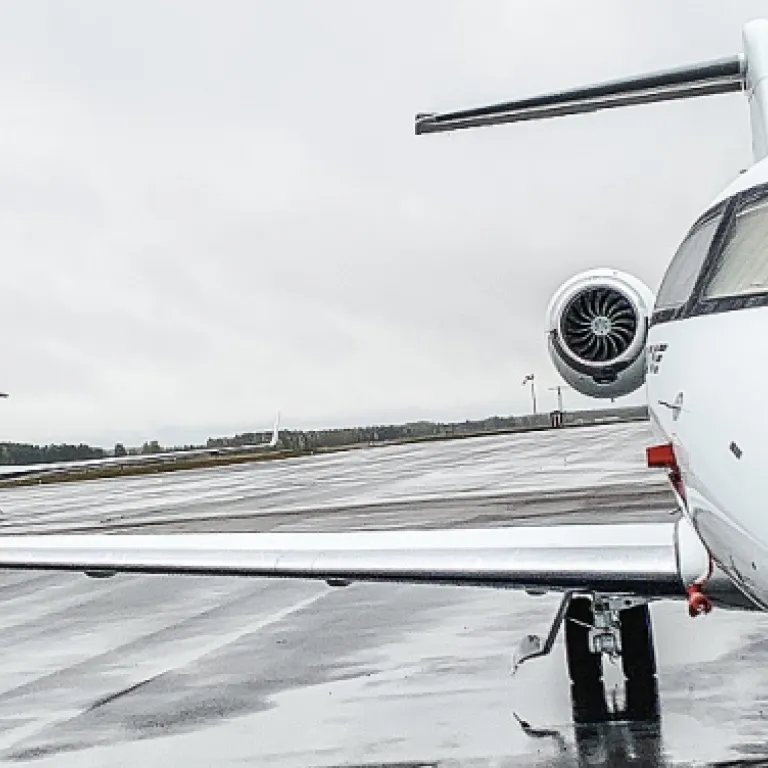

Understanding smoking regulations on private jets
How Smoking Rules Differ from Commercial Flights
When it comes to smoking on private jets, the rules are not as straightforward as those on commercial flights. While smoking has been banned on most commercial aircraft for decades, private aviation operates under a different set of regulations. The main difference is that private jet operators and owners have more flexibility to set their own smoking policies, but they must still comply with overarching aviation regulations and safety standards.
Regulatory Framework in Private Aviation
In the United States and many other countries, the Federal Aviation Administration (FAA) and similar authorities oversee air safety, including smoking regulations. For commercial flights, the rules are strict: smoking is not allowed on any passenger flight. However, for private jets and charter flights, the regulations are less uniform. Some private jets may allow smoking, while others are smoke free due to operator or owner preferences, or because of stricter local laws.
- Private jet operators must still follow national and international aviation regulations regarding air quality and safety systems.
- Some countries have laws that ban smoking on all aircraft, including private flights.
- Charter companies and jet owners may implement their own strict smoking policies, regardless of local laws.
Why the Rules Matter for Passengers
If you are considering smoking private or charter flights, it is important to understand that policies can vary widely between operators and even between individual jets. Some aircraft, such as certain Dassault Falcon models, may have advanced filtration systems to manage smoke, but this does not guarantee that smoking is allowed. The cleaning requirements and potential damage to the cabin can also influence whether smoking is permitted.
For those interested in the legal and compliance aspects of private jet ownership and operation, it's worth exploring aviation tax law compliance for luxury jet owners. Regulations can impact not only smoking policies but also broader operational decisions.
Owner and operator policies: who decides?
Who Sets the Smoking Rules on Private Jets?
When it comes to smoking on a private jet, the decision is not as simple as lighting up once you’re in the air. Unlike commercial flights, where smoking is strictly banned by law, private aviation operates under a more flexible framework. The main authority for smoking policies on a private aircraft is the owner or the charter operator. However, their choices are still influenced by broader aviation regulations and safety standards.
Here’s how the process typically works:
- Aircraft Owners: If you own the jet, you have significant control over whether smoking is allowed. Some owners prefer a smoke free environment to maintain air quality and reduce cleaning costs, while others may allow smoking, especially on older jets or models with advanced filtration systems.
- Charter Operators: For charter flights, the operator sets the smoking policy. Many charter companies today enforce strict smoking bans, especially on newer aircraft, to protect the cabin, maintain safety, and ensure a pleasant experience for all clients. However, a few operators still offer smoking friendly flights, often on request and subject to specific aircraft capabilities.
- Regulatory Compliance: Even if the owner or operator allows smoking, they must comply with national and international aviation regulations. Some countries have laws that prohibit smoking on all private jets registered in their jurisdiction, regardless of owner preference.
It’s important to note that not all private jets are equipped to handle smoke. Modern jets, such as certain Dassault Falcon models, may have advanced air filtration systems, but repeated exposure to smoke can still impact air quality and increase cleaning needs. Operators also consider the resale value of the aircraft, as jets with a history of smoking can be less attractive to future buyers.
For travelers considering smoking private or charter flights, always check with the operator in advance. Policies can vary widely between companies and even between individual aircraft in the same fleet. If you want to understand more about how aviation regulations shape these decisions, you can read about the ARROW acronym in aviation and its relevance for private jet travelers.
Health and safety concerns in the cabin
Air quality and health risks inside private jet cabins
When considering whether smoking is allowed on private jets, one of the main concerns is the impact on air quality and passenger safety. Unlike commercial flights, private jets may not always have the same strict smoking bans, but that does not mean the risks are any less significant. The cabin of a private aircraft is a confined space. Smoke from cigarettes, cigars, or even vaping can linger in the air, affecting both passengers and crew. Even with advanced filtration systems, such as those found on some Dassault Falcon jets, smoke particles and odors are difficult to eliminate entirely. This can lead to discomfort for non-smokers and may trigger allergies or respiratory issues. Key health and safety considerations:- Air quality: Smoke reduces air quality, and even short flights can leave a lingering smell. Filtration systems help, but they are not foolproof.
- Cleaning and maintenance: Smoking inside a private jet increases cleaning requirements. Smoke residue can stain interiors and damage sensitive equipment, leading to higher costs for operators and owners.
- Fire risk: Smoking, especially with cigarettes or cigars, introduces a fire hazard. Private aviation regulations require strict safety protocols, but accidents can still happen if smoking is not managed carefully.
- Secondhand smoke: Exposure to secondhand smoke is a health risk, particularly for children, pregnant passengers, or those with pre-existing conditions. Even in a smoke-friendly charter, not all guests may be comfortable with smoking allowed on board.
Types of smoking: cigarettes, cigars, and vaping
Cigarettes, Cigars, and Vaping: What’s Actually Permitted?
When it comes to smoking on private jets, not all forms of smoking are treated the same. The rules and attitudes toward cigarettes, cigars, and vaping can differ significantly, depending on the aircraft, operator, and even the region where the flight takes place. CigarettesCigarette smoking is the most commonly discussed type of smoking on private flights. While some private jet operators may allow cigarette use, many have adopted strict smoking policies similar to those on commercial flights. This is largely due to concerns about air quality, cabin cleaning, and the sensitive filtration systems installed on modern jets. For example, aircraft like the Dassault Falcon are equipped with advanced air filtration, but even these systems can be challenged by persistent smoke. Cigars
Cigar smoke is heavier and tends to linger longer in the cabin compared to cigarette smoke. Because of this, many private aviation operators are even less likely to allow cigars on board. The cleaning process after a cigar-smoking flight can be extensive and costly, and some charter companies may charge additional fees for deep cleaning if cigars are smoked. In some cases, operators may outright ban cigars to maintain a smoke free environment for future passengers. Vaping and E-Cigarettes
Vaping is sometimes viewed as a less intrusive alternative, but it’s not always allowed. While vapor doesn’t have the same lingering odor as traditional smoke, it can still affect air quality and trigger smoke detectors. Some private jet operators permit vaping, but others include it in their overall smoking banned policies. Regulations can also vary between countries, so what’s allowed on one flight may not be permitted on another.
- Always check with your charter company or jet operator before your flight to confirm what types of smoking, if any, are allowed.
- Be aware that even if smoking is permitted, there may be restrictions on where and when you can smoke during the flight.
- Operators may require additional cleaning fees if any form of smoking takes place in the cabin.
International flights and varying regulations
How International Laws Affect Smoking on Private Jets
When flying internationally on a private jet, the rules about smoking can change dramatically depending on the countries involved. While some private jet operators may allow smoking on certain flights, international airspace and destination country regulations can override these policies.- Departure and Arrival Countries: Each country has its own aviation regulations. For example, smoking is strictly banned on all commercial flights in the European Union and many Asian countries, and these rules often extend to private flights landing or departing there.
- Overflight Rules: When a private aircraft passes through the airspace of different countries, it must comply with those countries' air safety and smoking regulations, even if the operator's policy is more relaxed.
- Charter Company Policies: Some charter companies enforce a smoke free environment on all international flights, regardless of the aircraft owner’s preference, to avoid legal complications and cleaning costs.
Key Considerations for Smokers on International Private Flights
- Check with Your Operator: Always confirm with your charter company or operator about smoking policies for your specific route. Some jets are equipped with advanced filtration systems, but this does not guarantee that smoking is allowed.
- Cabin Air Quality and Cleaning: International flights often have stricter cleaning and air quality standards. Smoking, including cigarettes, cigars, or vaping, can lead to additional cleaning fees and may affect the next passengers’ experience.
- Penalties and Fines: Violating international smoking regulations can result in fines for both passengers and operators, and may even impact future flight permissions.
Alternatives and etiquette for smokers on board
Practical Tips for Smokers on Board
For those who smoke and are considering a private jet charter, it is important to be aware of both the regulations and the etiquette involved. While some private jets may allow smoking, most operators have strict smoking policies due to safety, cleaning, and air quality concerns. Here are some practical alternatives and etiquette tips for smokers during private flights:- Check with your operator: Before your flight, always confirm with the charter company or aircraft operator whether smoking is allowed. Policies can vary widely, even among private jets, and some operators maintain a smoke free environment regardless of client requests.
- Consider alternatives: If smoking is banned on your flight, consider using nicotine patches or gum. Vaping is sometimes permitted, but this is also subject to operator approval and local regulations. Always ask in advance, as vaping can trigger smoke detectors and affect cabin air systems.
- Respect the cabin: Even if smoking is allowed, be mindful of the aircraft’s interior. Cigarettes and cigars can leave lingering odors and require extensive cleaning. Some jets, such as certain Dassault Falcon models, have advanced filtration systems, but not all private aircraft are equipped to handle smoke residue effectively.
- Be considerate of others: If you are sharing the flight with other passengers, check their preferences. Not everyone is comfortable with smoking in a confined air cabin, and private aviation etiquette encourages open communication.
- Plan for international flights: Regulations can change depending on your route. Some countries have very strict smoking bans on all flights, including private jets. Always verify the rules for both departure and arrival locations.