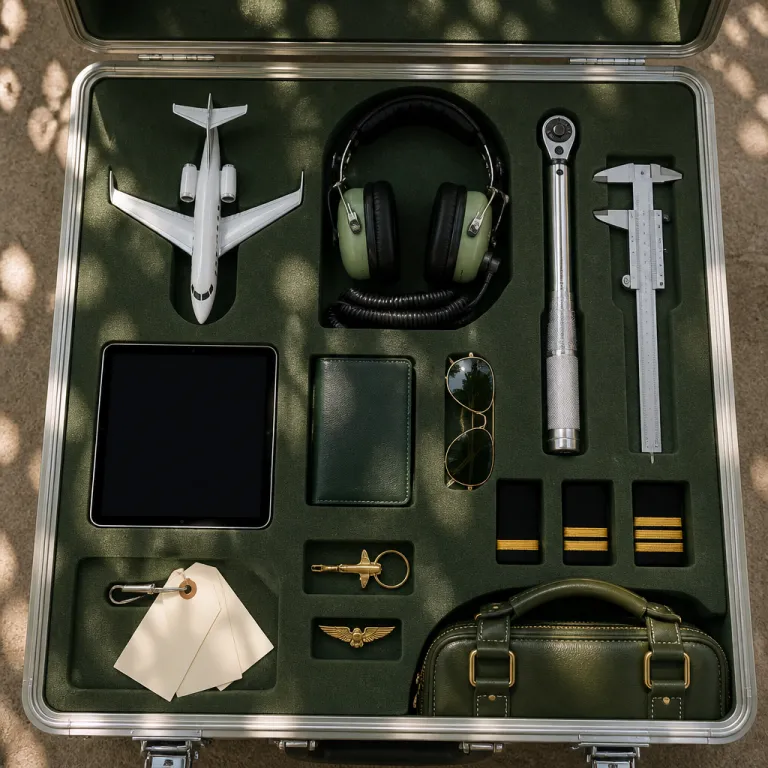

The evolving world of jet professionals in private aviation
Jet professionals operate at the intersection of aviation safety, business expectations, and elite customer service. In private jet operations, these aviation specialists manage every flight as a tailored project, balancing aircraft performance, passenger privacy, and strict aviation industry regulations. For a person seeking information about careers, this world of jet professionals and private jet operations can appear closed, yet it is more open than it seems.
Across the United States and the Middle East, business aviation has expanded from niche charter services to complex networks of business aircraft, jet charter operations, and aircraft management companies. This expansion has created new aviation staffing needs, from full time pilots and flight training instructors to human resources specialists and vice president level leaders in jet aviation companies. As private jet fleets grow, staffing strategies now integrate long term career placement, structured training, and data driven management of air operations.
Within this ecosystem, jet professionals include more than pilots and cabin crew, because they also encompass dispatchers, maintenance engineers, customer service managers, and aviation management executives. Each professional supports the same objective, which is to keep every aircraft safe, every flight on time, and every business client confident in the services delivered. A chief pilot interviewed at a recent business aviation forum in Orlando described it simply: “My job is to make sure that every person, from the line technician to the captain, knows exactly how their role protects the passenger.” Understanding how these professionals work together is the first step if you want to learn whether a career in private jet aviation fits your ambitions.
Pilot profiles in business aviation communities and events
Private jet pilot roles at industry conferences
Events dedicated to business aviation often highlight pilot profiles, because pilots remain the most visible jet professionals in any private jet company. At major air shows in the United States or regional forums in the Middle East, you will meet pilots who fly everything from light jets to large business aircraft and specialized turboprops such as the King Air family. These pilots share detailed stories about demanding flight conditions, complex aircraft management decisions, and the realities of balancing safety with business schedules.
In these communities, pilot jobs are discussed with unusual transparency, covering topics such as full time versus contract staffing, long haul versus short haul flight patterns, and the impact of jet charter operations on personal time. Many aviation professionals explain how they moved from airline jobs into business aviation, attracted by closer relationships with clients and more varied aircraft types. For readers interested in the most sought after private jet pilot profiles, in depth analyses of elite pilot careers in luxury jets can be found through resources such as this guide on high demand private jet pilot profiles.
Community events also showcase how pilots collaborate with ground professionals, including human resources teams, aviation staffing agencies, and aircraft management specialists. These interactions reveal that a modern jet professional pilot must understand business expectations, customer service standards, and the company privacy policy as clearly as technical flight procedures. When you listen carefully to pilot panels, you learn that the most respected pilots are those who combine precise flying skills with calm communication and a strong sense of responsibility toward every person on board.
Training pathways and flight experience for aspiring jet professionals
From first flight to business jet cockpit
Anyone considering a career among jet professionals needs a clear view of the training pathway, from first flight to command of a private jet. Flight training usually begins in small piston aircraft, then progresses to multi engine ratings, instrument qualifications, and eventually type ratings for specific business aircraft or King Air turboprops. Along this path, aviation professionals accumulate flight time, refine decision making skills, and learn how to operate within the demanding environment of business aviation.
For pilots, structured training programs offered by specialized aviation companies in the United States and the Middle East often combine simulator sessions, classroom learning, and supervised line flying on charter services. These programs are designed to meet both regulatory standards and the expectations of business clients who rely on jet charter and aircraft management services for critical travel. If you want a detailed breakdown of the steps, costs, and time required to become a private jet pilot, a practical reference is available in this guide on what it takes to become a private jet pilot.
Non flying jet professionals follow different training paths, often combining aviation specific courses with business, human resources, or customer service qualifications. For example, aviation staffing specialists learn how to evaluate pilot logbooks, assess aircraft management experience, and match candidates to open jobs in jet aviation companies. Whether you aim for a cockpit role or a management position, continuous training remains essential, because the aviation industry updates procedures, technology, and safety standards on a regular basis.
Aviation staffing, human resources, and career placement in private jet companies
How HR teams build private jet operations
Behind every visible pilot profile, there is usually a human resources team and an aviation staffing strategy that keeps the operation running smoothly. In private jet companies, staffing decisions must align with aircraft availability, charter demand, and long term business plans for fleet growth or renewal. Aviation professionals working in HR and recruitment manage open jobs across pilots, cabin crew, maintenance, dispatch, and customer service, often coordinating with external aviation staffing agencies for specialized placement.
These HR teams evaluate candidates not only on flight hours or technical skills, but also on their ability to represent the company brand in high pressure business aviation environments. A vice president of operations or a director of aircraft management will typically work closely with HR to define the ideal profile for full time pilots, part time contractors, and management professionals. When a company operates a mixed fleet that includes King Air turboprops and larger business aircraft, staffing plans must account for different training requirements, duty time limits, and regional regulations in the United States or the Middle East.
For job seekers, understanding how aviation staffing works can significantly improve the chances of securing a suitable career placement. Tailored résumés that highlight relevant aircraft experience, customer service achievements, and familiarity with private jet operations often stand out in competitive applicant pools. Candidates who show awareness of company policies, including safety culture and privacy policy obligations, signal that they are ready to operate as trusted jet professionals within a demanding aviation industry segment.
Operational realities of business aircraft, charter services, and aircraft management
Inside day to day private jet operations
Daily life for jet professionals revolves around the operational realities of business aircraft, from pre flight planning to post flight reporting. Pilots, dispatchers, and aircraft management teams coordinate to ensure that each private jet is airworthy, fueled, and staffed with the right professionals for the mission. This coordination becomes even more complex when a company offers both on demand jet charter services and long term aircraft management contracts for individual owners.
In a typical operation, charter services teams handle client requests, propose aircraft options, and confirm schedules, while flight crews focus on route planning, weather analysis, and fuel calculations. Business aviation companies that operate fleets including King Air turboprops, light jets, and larger long range aircraft must balance utilization across the fleet to maintain profitability and service quality. For readers interested in how aircraft selection affects operations and value, a detailed analysis of turboprop evaluation is available through this guide on evaluating a utility turboprop in the current market.
Operational jet professionals also manage regulatory compliance, safety audits, and adherence to internal procedures that protect both passengers and crew. This includes strict respect for duty time limits, maintenance schedules, and data handling rules defined in the company privacy policy. When these elements are aligned, the result is a reliable private jet service where business clients experience seamless travel, while aviation professionals maintain high safety and performance standards across every flight.
Career strategies for aspiring and established jet professionals
Building a long term business aviation career
Building a sustainable career among jet professionals requires deliberate planning, continuous learning, and strategic networking within business aviation communities. Aspiring pilots and managers should attend aviation events, join professional associations, and engage with both online and in person forums focused on private jet operations. These spaces often reveal unadvertised jobs, mentorship opportunities, and insights into how different companies structure their aircraft management and charter services.
For pilots, diversifying experience across aircraft types, including both jets and turboprops such as King Air models, can open doors to more advanced roles in the United States or the Middle East. Many aviation professionals move from regional airline roles into business aircraft operations, then progress into training captain positions, fleet management, or even vice president roles overseeing flight operations. Non flying professionals can follow similar trajectories, starting in customer service or dispatch, then moving into human resources, aviation staffing leadership, or broader aviation industry management positions.
Throughout any career path, it is essential to learn how business priorities, safety culture, and regulatory frameworks interact in private jet operations. Professionals who understand both the technical side of aviation and the commercial logic of business aviation tend to advance faster and secure more stable full time positions. By treating every role, from entry level customer service to senior aircraft management, as a chance to build trust and expertise, you position yourself as a jet professional who can thrive in a competitive and evolving market.
Key figures shaping careers and operations in private jet aviation
- According to the General Aviation Manufacturers Association, the global business jet fleet exceeds twenty thousand aircraft, which creates sustained demand for jet professionals across pilots, maintenance, and management roles. Recent GAMA reports, such as the 2023 General Aviation Aircraft Shipment and Billing Report (published February 2024), also highlight steady deliveries of new business aircraft, reinforcing long term hiring needs.
- Data from the National Business Aviation Association indicates that business aviation in the United States supports more than one million jobs, including a significant share in private jet operations, aviation staffing, and customer service functions. NBAA economic impact studies, including the updated U.S. Business Aviation Economic Impact Report released in 2020, show that these roles are spread across large hubs and smaller regional airports.
- Industry surveys show that a typical business aircraft used for charter services flies between six hundred and eight hundred hours per year, which requires careful aircraft management and full time staffing to maintain safety and reliability. Utilization at the higher end of this range often corresponds to dedicated crews and robust maintenance planning, as illustrated by operators reporting similar figures in recent business aviation benchmarking studies.
- Training providers report that the time required for a pilot to progress from initial flight training to a first job in business aviation often ranges from three to five years, depending on access to aircraft, funding, and regional hiring conditions. Integrated training programs and cadet style schemes can shorten this timeline for motivated candidates, a pattern confirmed in internal placement statistics shared by several large simulator and flight school networks in 2023.
- Market analyses of the Middle East business aviation sector highlight annual growth rates that outpace some mature markets, increasing opportunities for aviation professionals in jet charter, aircraft management, and support services. Regional studies published between 2022 and 2024 point to expanding infrastructure, new fixed base operators, and rising demand from corporate and private clients.
FAQ about jet professionals and private jet careers
What is the difference between airline pilots and private jet pilots ?
Airline pilots usually fly fixed schedules on standardized routes, while private jet pilots operate more flexible missions tailored to individual business clients. In business aviation, pilots often handle a wider range of tasks, including direct customer service, flight planning, and coordination with aircraft management teams. This broader scope requires strong interpersonal skills and a detailed understanding of business aircraft operations.
How long does it take to become a private jet pilot ?
The time required to become a private jet pilot depends on training intensity, funding, and access to flying opportunities, but many candidates need several years to reach the necessary experience. After basic licenses, pilots must accumulate significant instrument and multi engine time, then obtain type ratings for specific jets or turboprops. Employers in business aviation typically prefer candidates with both solid flight hours and proven customer service skills.
Are there non flying careers for jet professionals in private aviation ?
Private aviation offers many non flying roles, including operations control, customer service, human resources, aviation staffing, and aircraft management positions. These professionals coordinate schedules, manage safety documentation, support charter services, and ensure compliance with company policies such as the privacy policy. For people who enjoy aviation but do not wish to fly, these roles provide meaningful and stable career paths.
What skills are most valued in business aviation careers ?
Employers in business aviation look for technical competence, strong communication, and a service oriented mindset in both pilots and ground professionals. Jet professionals must handle irregular schedules, changing client needs, and strict safety requirements without compromising professionalism. Candidates who combine aviation knowledge with business awareness and teamwork usually progress faster in private jet companies.
Is business aviation growing in regions like the Middle East and the united states ?
Business aviation has shown steady growth in both the United States and the Middle East, driven by corporate travel needs and high net worth individuals. This growth supports increased demand for pilots, maintenance technicians, customer service agents, and management professionals across private jet operators. For job seekers, these regions offer expanding opportunities, especially for those willing to relocate and adapt to diverse cultural and regulatory environments.