
Why private jet Denver travelers look beyond the main terminals
For many private jet Denver passengers, the journey starts long before boarding. They compare how each airport in Denver Colorado handles private aircraft, from security screening to ramp access, because these details define the entire travel experience. A well chosen metropolitan airport can turn a routine business flight into a calm, efficient transition between meetings.
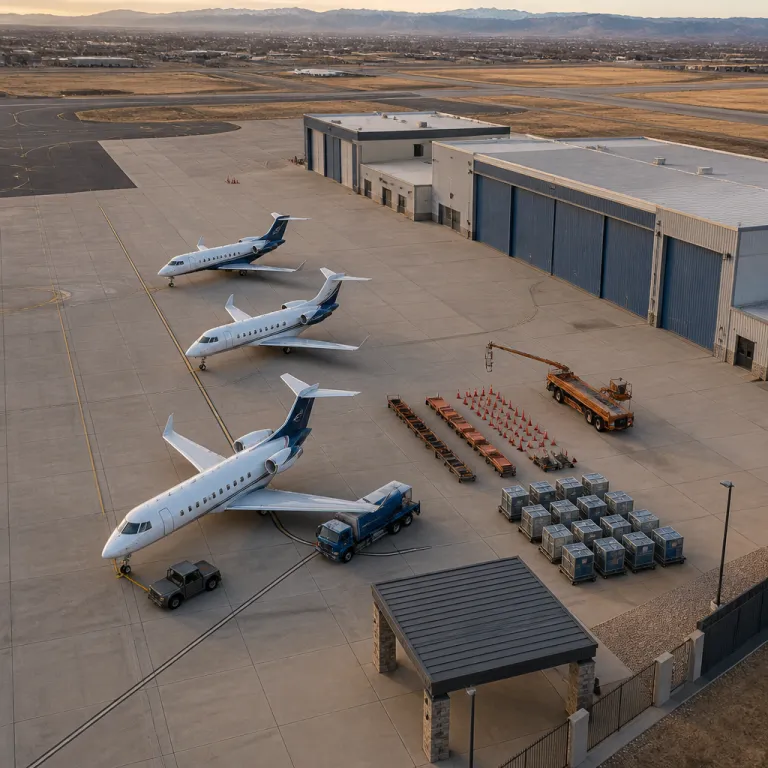
Denver International Airport (DEN/KDEN) dominates commercial flights, yet private jets often use dedicated facilities on the field. These terminals, known as Fixed Base Operators (FBOs), separate private jet charter operations from airline traffic, which shortens ground time and protects privacy for business travelers. At many U.S. FBOs, including those serving Denver, typical private jet turnaround times are often cited in the 20 to 40 minute range for a fuel stop, and passengers frequently step from the aircraft door to a waiting car in under ten minutes while luggage and catering are handled in parallel.
Some travelers prefer a smaller airport for their Denver private departures, especially when flying on light jets or turboprop aircraft. They value the quieter environment, shorter taxi times, and easier access to suburban business districts around the Rocky Mountain region. One Denver based executive described using a secondary field as “the difference between a two hour airport ordeal and a 25 minute curb to climb experience,” which captures why choosing between Denver International and a secondary airport is therefore less about distance and more about the overall travel experience.
Centennial Airport and Denver Centennial as the discreet private hub
Centennial Airport (APA/KAPA), often called Denver Centennial in aviation schedules, has become the primary hub for private jet Denver operations. Located south of downtown Denver Colorado, this metropolitan airport focuses on general aviation and charter flights rather than airline traffic. According to Federal Aviation Administration data and airport planning documents, Centennial regularly ranks among the top 25 U.S. airports by total operations, and for many operators it offers the best balance between runway performance, hangar space, and quick access to key business corridors.
Most light jet and midsize jet charter movements in the region use Centennial Airport because its layout favors fast turnarounds. The main runway is published at 10,000 feet (3,048 meters) long, giving ample margin for super midsize jets on hot and high days. Private jets park directly in front of FBO lounges, and passengers can board while ground crews refuel the aircraft or load catering for longer flights to cities such as Las Vegas. This setup is particularly efficient for super midsize jets that need more runway length yet still want to avoid the congestion at Denver International (DEN).
Service quality at Denver Centennial also matters as much as runway length or hangar availability. Operators benchmark FBO standards against leading European facilities, similar to those analyzed in detailed reviews of FBO quality at major European airports. For passengers, this means quieter lounges, attentive staff, and a smoother transition from car to jet, whether they are boarding a King Air turboprop or a super midsize jet charter for a cross country business flight. Frequent flyers often mention that consistent Centennial Airport FBO services, from line crew to concierge support, are a deciding factor when basing aircraft in the Denver area.
Choosing between Denver International and other Colorado airports
Private jet Denver users often weigh Denver International against smaller Colorado fields for each trip. Denver International Airport (DEN) offers long runways, extensive de icing capacity, and full international customs, which are crucial for flights arriving from outside the United States. With a primary runway length of 16,000 feet (4,877 meters), DEN comfortably accommodates large cabin and ultra long range jets, and these strengths make it attractive for larger jets and international charter flights that need maximum performance and regulatory support.
By contrast, a metropolitan airport such as Centennial (APA) or Rocky Mountain Metropolitan Airport (BJC/KBJC) can be more efficient for domestic charter flight operations. These airports handle fewer airline movements, so private aircraft spend less time waiting for takeoff slots or taxi instructions, which reduces both fuel burn and schedule risk. For a short business flight to Las Vegas or another regional hub, that time saving can be more valuable than the extra services at Denver International, especially when passengers can park close to the FBO entrance and board within minutes of arrival.
Travelers planning a complex itinerary sometimes combine airports, using Denver International for an inbound international flight and a nearby private jet charter for regional legs. This pattern mirrors how high net worth travelers use specialist fields such as Teterboro, which is examined in depth in an analysis of the world of private jets at Teterboro Airport. In Colorado, the same logic applies when connecting long haul international flights with nimble light jets or turboprop aircraft for access to smaller Rocky Mountain destinations, from resort towns to energy producing regions that lack scheduled airline service.
Matching aircraft types to Denver’s altitude and routes
Operating a private jet Denver flight requires careful attention to altitude and performance. The city’s elevation of about 5,430 feet (1,655 meters) above sea level and surrounding Rocky Mountain terrain affect how each aircraft climbs, especially on hot days when air density is lower. Pilots and charter brokers therefore match light jets, midsize jets, and super midsize jets to each route rather than relying on a single generic solution, and they routinely calculate density altitude and weight limits before every departure.
Light jet models work well for short charter flights from Denver Colorado to nearby cities such as Las Vegas or regional business centers. They carry fewer passengers but offer strong climb performance, which is valuable at higher elevation airports and shorter runways around the state. For example, a typical light jet can complete the private jet Denver to Las Vegas flight in around one hour and forty minutes under favorable winds. Light jets also reduce operating costs for small business teams that need frequent flights yet want to control budgets without sacrificing privacy or schedule flexibility.
For heavier loads or longer flights across the United States, operators often recommend a super midsize jet or a capable turboprop such as the King Air. These aircraft balance range, cabin comfort, and runway performance, which is essential when departing from a metropolitan airport near the mountains. A King Air, for instance, can use shorter runways at secondary Colorado airports while still offering pressurized comfort and generous baggage capacity. The right match between aircraft and route improves safety margins, enhances the travel experience, and ensures that both business and leisure passengers arrive rested rather than fatigued.
From Denver to Las Vegas and beyond: signature private routes
One of the busiest private jet Denver corridors connects the city with Las Vegas. This route attracts both business travelers attending conferences and leisure passengers heading for weekend stays, which keeps a steady flow of light jets and midsize jets in the air. With a great circle distance of roughly 600 nautical miles between Denver and Las Vegas, flight times are short enough that many charter flights operate as same day returns, allowing executives to maximize time on the ground.
On this corridor, operators often deploy light jet aircraft for small groups and super midsize jets for larger teams or those demanding more cabin space. A King Air turboprop can also be a smart choice when runway length or budget considerations favor propeller driven aircraft over jets. Because the route remains entirely within the United States, customs procedures are minimal, and both Denver International (DEN) and Centennial Airport (APA) can handle these flights efficiently. Many charter brokers now highlight private jet Denver to Las Vegas flight time and pricing as a benchmark when advising new clients on aircraft categories.
Beyond Las Vegas, private jet charter traffic from Denver Colorado fans out toward coastal hubs, energy producing regions, and ski resorts across the Rocky Mountain chain. Popular destinations include Los Angeles, Dallas, Houston, and mountain airports that support winter tourism. Each destination requires a different balance between range, runway performance, and ground handling, which is why experienced jet charters place such emphasis on airport selection. For frequent flyers, the pattern of routes they choose gradually shapes their preferred network of metropolitan airport options across the country.
On board experience and ground services for Denver private travelers
For many private jet Denver clients, the cabin and ground services define the value of charter. They expect a seamless travel experience from the moment they arrive at the airport parking area until they step into their hotel or office. This expectation covers everything from catering quality to Wi Fi reliability and discreet handling of sensitive business discussions on board, and it often influences whether travelers renew jet card memberships or long term charter agreements.
Cabin layouts in light jets, midsize jets, and super midsize jets vary, yet all aim to balance comfort with efficient use of space. Business passengers often request club seating with tables for laptops, while leisure travelers may prioritize reclining seats and generous luggage capacity for ski equipment or golf bags. On a typical Denver to Las Vegas sector, passengers might use the first half of the flight for meetings and the second for rest. Catering standards have risen sharply, with some Denver private operators partnering with specialist providers similar to those highlighted in analyses of private jet dining at high altitude.
On the ground, FBO teams at Denver International, Centennial Airport, and Rocky Mountain Metropolitan Airport coordinate fuel, de icing, and ground transport so that flights depart on time. During winter, de icing can add 10 to 20 minutes to pre departure procedures, yet efficient coordination keeps overall delays modest compared with commercial airline queues. Their work remains largely invisible to passengers, yet it underpins every safe and punctual charter flight across Colorado and the wider United States. When these elements align, the result is a quiet, efficient journey that justifies choosing private jets over commercial alternatives for both business and personal travel.
Key figures shaping private jet activity in Denver and Colorado
- According to the Federal Aviation Administration and airport traffic summaries, Centennial Airport (APA) ranks among the busiest general aviation airports in the United States by operations, with annual movements frequently reported above 300,000, which reflects its central role in private jet and turboprop traffic for the Denver area.
- Denver International Airport (DEN) reports that general aviation and air taxi movements represent a small fraction of total operations, yet they account for a disproportionately high share of premium ground handling revenue compared with scheduled airline flights.
- Industry data from the National Business Aviation Association indicate that light jets and midsize jets together make up a majority of charter flights in North America, which aligns with the typical mission profiles flown from Denver Colorado to regional destinations such as Las Vegas.
- Surveys of business aviation users consistently show that time savings and access to secondary airports are the two primary reasons executives choose private jet charter, which explains the strong demand for services at Rocky Mountain Metropolitan Airport (BJC) and Denver Centennial.
FAQ about private jet Denver airports and routes
Which Denver airport is best for private jet charter
Most private jet Denver flights use Centennial Airport (APA) because it focuses on general aviation and offers fast ground handling. Denver International Airport (DEN) remains the better choice for larger aircraft or international arrivals that require customs and longer runways. Rocky Mountain Metropolitan Airport (BJC) serves as an efficient alternative for travelers based northwest of downtown.
What types of aircraft are common on Denver private routes
The most common aircraft for Denver private flights are light jets, midsize jets, and super midsize jets. Turboprop models such as the King Air also operate frequently, especially on shorter routes or to airports with shorter runways. Long range large cabin jets appear mainly on coast to coast or international missions, including nonstop flights from Denver International to East Coast and select European destinations.
How long is a private jet flight from Denver to Las Vegas
A typical private jet Denver to Las Vegas flight lasts around one and a half to two hours, depending on aircraft type and routing. Light jets are usually slightly faster on this sector than turboprop aircraft, while super midsize jets offer more comfort with similar block times. Ground time at both ends is minimal compared with commercial airline procedures, and many passengers report total door to door travel times under four hours.
Can private jets from Denver fly directly to international destinations
Yes, private jets can depart from Denver International Airport or other approved fields for international destinations, provided customs and immigration arrangements are in place. Larger super midsize and long range jets can reach many overseas cities nonstop, while smaller aircraft may require fuel stops. Charter brokers typically advise on the best combination of airport and aircraft for each international itinerary, taking into account runway length, overflight permits, and preferred arrival times.
Are private jet flights from Denver affected by altitude
Denver’s elevation and surrounding Rocky Mountain terrain do affect aircraft performance, especially during hot weather. Pilots account for this by adjusting takeoff distances, payload, and sometimes departure times to maintain safety margins. Choosing the right aircraft type, such as a capable light jet or turboprop, helps mitigate these altitude related constraints, and experienced operators will explain any weight or schedule adjustments to passengers in advance.