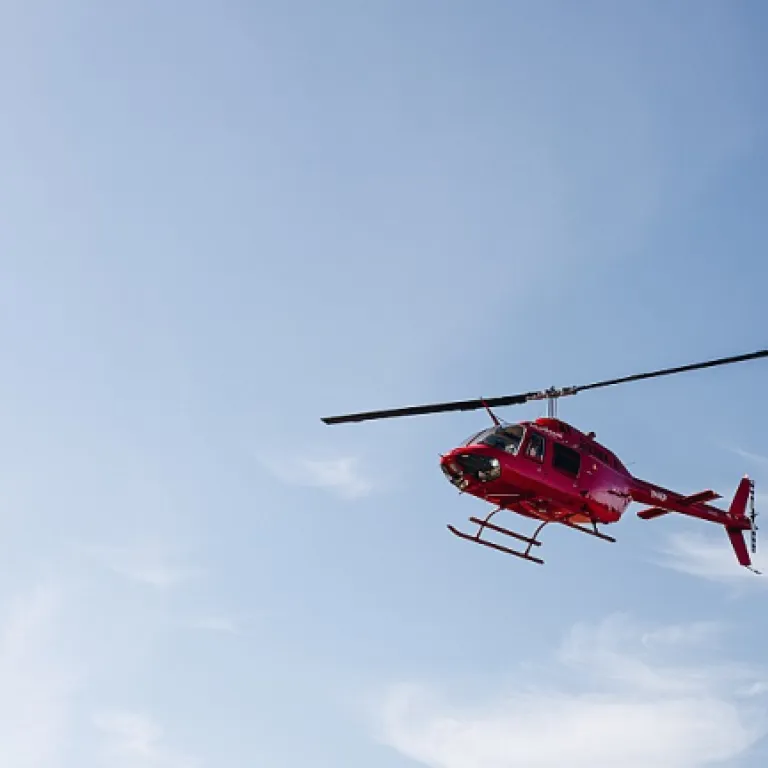

What “cheap planes” really means in private aviation
When people talk about “cheap planes” in private aviation, they rarely mean something you can buy with pocket change. In this world, cheap is always relative. It is about aircraft that deliver a private flying experience at a lower price range than traditional business jets, whether you are talking about aircraft ownership, charter, or shared access.
How private aviation defines a “cheap” plane
In commercial travel, you might compare ticket prices. In private aviation, you compare the full picture : acquisition price, operating costs, maintenance, speed, range, and how much time and hassle the airplane actually saves you.
Analysts and brokers usually talk about cheap planes in three ways :
- Lower acquisition price : Entry level and vintage aircraft, such as a basic cessna or a piper, can be among the cheapest planes to buy. A classic aeronca champion, for example, often sits at the very bottom of the price range for a flyable airplane.
- Lower operating costs : Some affordable aircraft burn less fuel, need simpler maintenance, and use widely available parts. That can make the long term price of flying far more budget friendly.
- Lower cost per seat mile : A plane that carries more passengers at a reasonable cruise speed and fuel burn can be “cheap” on a per person basis, even if the sticker price is not the absolute cheapest plane on the market.
In practice, a “cheap” private aircraft might still cost six or seven figures to buy. The difference is that it opens the door to aircraft buy decisions for more budget conscious owners and makes on demand flying more accessible for charter clients.
From piston singles to light jets : where the savings start
At the very bottom of the private aviation ladder, you find small piston airplanes. A basic two seat trainer or a vintage aircraft with responsive controls and simple systems can be one of the cheapest planes to own. These aircraft are slow in speed mph terms and have limited mph range, but they offer an easy entry level flying experience and relatively low operating costs.
Move up to four seat models like the cessna skylane or comparable piper aircraft, and you start to see a blend of practicality and affordability. Cruise speed improves, range increases, and the cabin becomes more comfortable for family or business trips. For many private pilots, this is the first truly good step into practical aircraft ownership.
Beyond that, light turboprops and older light jets begin to reshape what “cheap” means. They are not the cheapest planes to buy or run, but compared with large cabin jets, they can be a great compromise between speed, range, and price. Some pre owned light jets, such as models in the Learjet family, have become case studies in how aging but capable aircraft can lower the barrier to private jet access. Market reports on options like the Learjet 55 on the market show how buyers weigh cruise speed, range, and maintenance history against acquisition price.
Why “cheap” is about more than the sticker price
For someone new to private aviation, it is tempting to focus on the cheapest plane you can find. But pilots, operators, and serious buyers quickly learn that the real cost of a plane lives in the details :
- Operating costs : Fuel burn, insurance, hangar fees, and routine maintenance can turn a seemingly affordable aircraft into an expensive habit. A slightly higher purchase price can be a good trade if the airplane is easier and cheaper to keep flying.
- Maintenance and downtime : Older or rare planes may have low acquisition prices but can be hard to support. Parts availability, specialized technicians, and unexpected repairs can eat into your budget and your time.
- Performance and speed : A slow cruise speed might look fine on paper, but if you spend hours more in the air on every trip, the value of your time changes the equation. A faster aircraft with a higher speed mph and better mph range can be more efficient overall, even if it is not the absolute cheapest plane.
Industry data from aircraft valuation services and maintenance tracking platforms consistently shows that total cost of ownership over 5 to 10 years is a better indicator of “cheap” than the initial price alone. This is why experienced operators highly recommend looking at the full operating profile, not just the sales listing.
How cheap planes change access to private jets
Where cheap planes really reshape access is in how they are used. A budget friendly light jet or turboprop can support charter models that offer lower hourly rates. It can also underpin membership and shared ownership structures that spread costs across several users, making private flying feel surprisingly affordable compared with traditional full ownership.
For travelers, this means more choice. Instead of only seeing large, expensive jets, you can select smaller planes that match your budget, route, and time constraints. For pilots and aspiring owners, it means there is a realistic path from an entry level piston aircraft to more capable planes without jumping straight into the highest price brackets.
In the next parts of this article, we will look more closely at the specific types of aircraft that tend to qualify as cheap planes, why some of them are inexpensive to buy but costly to operate, and how charter, on demand, and membership models turn these machines into practical tools rather than distant luxury items.
The types of aircraft that qualify as cheap planes
Typical “cheap plane” profiles in private aviation
When people talk about cheap planes in private aviation, they are usually not thinking about brand new long range jets. In practice, the cheapest planes that reshape access to private flying tend to fall into a few clear categories of aircraft, each with its own price range, cruise speed, operating costs and level of comfort.
For a budget conscious buyer or someone exploring aircraft ownership for the first time, understanding these categories is more useful than chasing the single cheapest plane on the market. The goal is to find an affordable aircraft that fits your usual missions, your budget and your flying experience.
Entry level piston singles: the classic starting point
Entry level single engine piston planes are often the first step into private aviation. They are not fast compared with jets, but they are simple, relatively low in maintenance needs and widely supported by mechanics and training organizations. For many private pilots, this is where aircraft ownership becomes realistic.
- Cessna 172 and similar models
The Cessna family, especially the 172 and the slightly more capable Cessna 175 and Cessna Skylane (182), is often seen as the benchmark for budget friendly private planes. These aircraft offer predictable handling, responsive controls and a good balance between speed, range and operating costs. Typical cruise speed sits in the 120 to 140 mph range, which is enough for regional trips without burning fuel at jet levels. - Piper Cherokee and similar designs
Piper single engine models compete directly with Cessna in the entry level segment. They are known for stable flying characteristics and a comfortable cabin for their size. For many owners, a Piper is an easy work platform for both training and personal travel, with a price range that stays accessible compared with more complex planes.
These airplanes are not the absolute cheapest planes you can buy, but they are often the cheapest planes that still deliver a safe, practical and enjoyable flying experience for regular use. For a first aircraft buy, many instructors highly recommend staying in this category because of the strong support network and predictable operating costs.
Vintage and minimalist aircraft for the lowest purchase price
If your priority is the lowest possible purchase price, vintage aircraft and minimalist designs can be very attractive. They usually trade cruise speed and range for simplicity and charm. They are not ideal for business travel, but they can be a great way to get into the air on a tight budget.
- Aeronca Champion and similar vintage aircraft
The Aeronca Champion is a classic example of a vintage aircraft that often appears on lists of the cheapest planes to own. It offers very light controls, a basic cockpit and a slow but enjoyable flying experience. Cruise speed is modest, often in the 80 to 100 speed mph band, but fuel burn and maintenance can be low when the airplane is well maintained. - Other simple taildraggers and trainers
Many older trainers and taildraggers fall into a similar price range. They are not the right choice if you need to move several passengers quickly, yet they can be a good solution for pilots who mainly want to fly for fun and keep operating costs under control.
With these vintage aircraft, the purchase price can be very attractive, but the real key is the condition of the airframe and engine. A cheap plane that needs major work can quickly become more expensive than a slightly higher priced but well maintained airplane.
Step up singles: more performance, still budget friendly
For private owners who want more speed and range without jumping into turbine territory, there is a group of single engine aircraft that offer higher cruise speed and better payload while staying relatively affordable.
- Cessna Skylane and similar high performance singles
The Cessna Skylane is a good example of a step up from basic trainers. It offers a higher cruise speed, often in the 140 to 150 speed mph range, and better range for cross country flying. Operating costs are higher than a basic trainer, but still manageable for many private owners who fly regularly. - High performance Piper singles
Some Piper models in this category offer retractable gear and more powerful engines. They are not the cheapest planes to maintain, yet they deliver a great mix of speed, comfort and capability for owners who need to cover more distance in less time.
These planes are often chosen by pilots who have built some experience in simpler aircraft and now want more capability. They are still far below jet prices, but they start to introduce more complex systems, which has an impact on maintenance and insurance.
Light twins and small turboprops: bridging the gap to jets
Above the piston singles, light twin engine aircraft and small turboprops form another layer of relatively cheap planes compared with full size business jets. They are not cheap in absolute terms, but for operators who need more seats, higher cruise speed and better range, they can be a budget friendly alternative to entry level jets.
- Light piston twins
Light twins offer redundancy with two engines and better performance, but they also bring higher fuel burn and more complex maintenance. For some missions, especially over water or mountains, this extra safety margin is valuable. However, the operating costs can approach those of small jets, so they are not always the best choice for strictly budget conscious owners. - Small turboprops
Turboprops can cruise at higher speed mph figures and offer impressive range while still landing on shorter runways. They are often used in charter and on demand flying because they balance speed, payload and operating costs better than many small jets on short routes.
These aircraft are more demanding in terms of pilot training and maintenance planning. They are rarely the first airplane someone buys, but they are important in the ecosystem of cheap planes that support lower cost charter and membership models.
How these aircraft categories shape access to private jets
Across all these categories, the common thread is that they lower the entry barrier to private flying. Whether you are looking at a basic Aeronca Champion, a Cessna trainer, a Piper step up single or a small turboprop, the combination of lower purchase price and manageable operating costs makes private aviation more reachable.
For some people, the goal is direct aircraft ownership. For others, these planes become the backbone of charter fleets, shared ownership programs and membership models that offer private jet style convenience at a lower price point. Understanding which type of plane sits behind an offer helps you judge whether the price, speed, range and overall flying experience will really match your expectations and your budget.
Why some private jets are cheap to buy but expensive to operate
Why the “cheapest plane” can still cost a lot to fly
In private aviation, the purchase price of an aircraft is only one part of the story. A plane can look very cheap on paper, especially compared with a new business jet, yet still carry surprisingly high operating costs once you start flying it regularly.
For anyone who is budget conscious and exploring aircraft ownership as an entry level step into private jets, it is essential to separate the price you pay to buy the airplane from the money you will spend every year to keep it in the air.
Breaking down the real operating costs
Operating costs are usually divided into two broad categories : fixed and variable. Both matter if you want a good, predictable flying experience that does not blow up your budget.
- Fixed costs : hangar or parking, insurance, regulatory inspections, subscriptions for navigation data, and sometimes management fees if a company looks after the aircraft for you.
- Variable costs : fuel, oil, routine maintenance, landing and handling fees, and the cost of pilots if you are not flying yourself.
A cheap plane with a low purchase price can still sit in a relatively high price range for annual fixed costs, especially if it is a larger cabin aircraft or an older model that needs more frequent checks.
Fuel burn, speed and range : the trade off
Many buyers focus on cruise speed and range when they compare planes. That makes sense, because speed and range determine how much time you save and which routes are realistic. However, higher speed often means higher fuel burn, and that is where operating costs start to climb.
- A light piston airplane such as a vintage aircraft or an aeronca champion can be among the cheapest planes to operate in terms of fuel, but the cruise speed and mph range are limited. You save money, yet you spend more time in the air.
- A more capable affordable aircraft, for example a cessna skylane or a similar four seat plane, offers a better balance of cruise speed, useful range and fuel efficiency. It is still budget friendly, but not the absolute cheapest plane to run.
- Step up to turboprops or light jets and the speed mph figures look great, but fuel consumption rises sharply. The airplane gets you there faster, yet every hour of flying costs more.
For a budget conscious owner, the best choice is rarely the fastest aircraft. It is usually the one that offers an acceptable cruise speed and range for typical missions, with fuel burn that keeps hourly operating costs under control.
Maintenance : when “cheap” becomes hard work
Maintenance is where many low price aircraft surprise new owners. A plane that is easy to buy can be less easy to keep airworthy if parts are scarce or if the design requires a lot of labor for inspections.
Older planes, including some vintage aircraft that look very attractive on the used market, may have :
- Higher maintenance labor hours per flying hour.
- More frequent scheduled inspections.
- Parts that are harder to source, which pushes the price up.
On the other hand, some long running models from brands such as Cessna and Piper benefit from a deep support network. For example, a well maintained cessna used for private trips can offer relatively low operating costs because mechanics know the type well and parts are widely available. The same is often true for popular piper models that have been in continuous production.
When you look at the cheapest planes on the market, always ask for detailed maintenance records and recent invoices. That is the most concrete way to understand whether the aircraft will be easy work for your maintenance team or a constant drain on your budget.
Pilots, training and insurance add to the bill
Another reason some cheap planes are expensive to operate is the human factor. If you do not plan to fly yourself, you will need professional pilots. Their day rate, positioning costs and overnight expenses all add to the hourly price of each trip.
Even if you want to fly, not every airplane is suitable as an entry level platform. Some higher performance aircraft require more advanced training, recurrent checks and simulator time. Insurance companies may also ask for a minimum number of hours on type before they offer a good premium. All of this increases the real cost of aircraft ownership beyond the initial aircraft buy.
How usage patterns change the economics
The number of hours you actually spend flying each year has a huge impact on whether a cheap plane is truly affordable. Fixed costs stay roughly the same whether you fly 50 hours or 300 hours per year, so the fewer hours you fly, the higher your cost per hour.
For some owners, this is where charter, on demand flying or membership models built around budget friendly aircraft start to look more rational. Instead of carrying all the fixed costs yourself, you pay only for the time you are in the air. Industry analysis of latest updates and trends in jet card news shows how these programs try to smooth out operating costs for frequent travelers who still want predictable pricing.
Why “affordable aircraft” is about more than the sticker price
When you evaluate the cheapest plane options, it helps to think in terms of total cost of ownership over several years, not just the day you sign the purchase contract. A truly affordable aircraft will usually have :
- Reasonable fuel burn for its cruise speed and range.
- Strong maintenance support and predictable parts availability.
- Insurance and pilot costs that fit your budget and flying experience.
- Responsive controls and handling that make it safe and enjoyable to fly, without demanding extreme training.
Some pilots highly recommend proven workhorses such as the cessna skylane or comparable piper models as realistic entry level choices. They may not be the absolute cheapest planes to buy, but they often deliver a better balance of operating costs, performance and comfort over time.
In other words, the cheapest plane on the market is not always the most affordable aircraft for your situation. The right airplane is the one that matches your typical missions, your budget and your appetite for the ongoing responsibilities that come with aircraft ownership.
How charter and on‑demand flights make cheap planes accessible
How on demand flights turn cheap planes into real options
For most travelers, the real breakthrough is not owning a cheap plane, but being able to book one only when you need it. Charter and on demand platforms have taken aircraft that were once reserved for owners and made them available by the hour, often at a price that can compete with premium airline tickets on certain routes.
Instead of worrying about aircraft ownership, hangar space, or maintenance, you pay for the time you are actually flying. The operator handles pilots, insurance, scheduling, and all the background work. This is where many of the cheapest planes to buy become interesting for a wider audience, because they can be offered as affordable aircraft for short hops and regional trips.
What kinds of cheap planes show up in charter fleets
On demand operators tend to focus on aircraft that are easy to operate, reliable, and budget friendly. You will not usually see a vintage aircraft like an Aeronca Champion in a modern charter fleet, even though it is one of the cheapest planes in terms of purchase price. Instead, they lean toward models that balance cruise speed, range, and operating costs.
- Entry level piston planes such as the Cessna 172 or similar models are sometimes used for very short, local flights or sightseeing. They offer low fuel burn and simple maintenance, but their mph range and payload limit them to niche missions.
- Step up singles like the Cessna Skylane or comparable Piper models bring more speed mph, better range, and more comfort. They are still relatively cheap planes to buy and run, which keeps the charter price in a reasonable price range for budget conscious travelers.
- Light twins and small turboprops are often the sweet spot. They are not the absolute cheapest plane to purchase, but their combination of cruise speed, useful load, and reliability makes them very attractive for charter. Operators can spread their higher acquisition cost over many flights while keeping hourly rates competitive.
These aircraft are chosen because they offer a good balance of speed, range, and low operating costs. For passengers, that translates into a good flying experience at a lower total trip cost than larger jets.
How pricing works when you charter a cheap plane
When you look at charter quotes, the cheapest plane on the list is not always the best value. Operators build their pricing from several elements :
- Hourly rate based on fuel burn, maintenance reserves, and crew costs. A small airplane with low fuel consumption and simple maintenance will usually have a lower hourly rate.
- Positioning time if the aircraft has to fly empty to pick you up or return to base. A cheap plane with a shorter range may need extra legs, which can raise the final price.
- Airport and handling fees which can be lower at smaller airfields that these planes can use. This is one of the quiet advantages of budget friendly aircraft.
For short regional trips, a modest affordable aircraft can be a great deal. The speed mph might be lower than a larger jet, but when you factor in using a closer airport, minimal security lines, and direct routing, the total time door to door can be very competitive.
Comfort and flying experience in smaller charter aircraft
Travelers often worry that the cheapest plane will feel cramped or uncomfortable. In practice, many of these planes offer a surprisingly good experience for flights under two or three hours.
- Cabin layout in aircraft like a Cessna Skylane or similar Piper models is simple but practical, with good visibility and enough space for a small group.
- Responsive controls and lighter handling characteristics can make the ride feel more connected to the air, which some passengers actually enjoy.
- Noise and vibration are usually higher than in larger jets, but modern headsets and thoughtful cabin upgrades help a lot.
For travelers who are new to private flying, these entry level options can be a gentle introduction. Many pilots and operators highly recommend them for first time charter clients who are more focused on budget and schedule than on luxury finishes.
Why charter beats ownership for budget conscious flyers
Even if you are fascinated by aircraft buy opportunities and the idea of owning your own airplane, the numbers often favor charter for anyone who does not fly very frequently. The operating costs of even the most affordable aircraft include :
- Regular maintenance and inspections, which do not stop just because you are not flying.
- Insurance, hangar or tie down fees, and regulatory compliance.
- Time spent managing bookings, pilots, and paperwork, which is rarely easy work for a busy traveler.
With charter and on demand services, you avoid the fixed costs and only pay when you actually use the plane. For many people, this is the most realistic way to access the benefits of private aviation while staying within a clear budget.
In other words, charter turns the world of cheap planes into something practical. You can choose the cheapest planes that still meet your needs for range, cruise speed, and comfort, and let professionals handle the rest. For anyone exploring private flying for the first time, it is often the most logical starting point before considering deeper aircraft ownership options.
Shared ownership and membership models built around cheap planes
How group models turn cheap planes into realistic options
For many people, the real barrier to private flying is not the price of the airplane itself, but the ongoing operating costs and the time commitment that full aircraft ownership demands. That is where shared ownership and membership models built around cheaper planes come in. They spread the financial load, simplify maintenance decisions, and make it much easier to match your budget to the flying experience you actually need.
Fractional ownership of budget friendly aircraft
Fractional ownership is essentially buying a slice of an airplane instead of the whole aircraft. With cheaper planes, this can be surprisingly accessible for budget conscious travelers who still want the comfort and flexibility of private aviation.
In practice, a management company handles the hard work: hiring pilots, scheduling, maintenance, and regulatory paperwork. You pay a share of the acquisition price, plus monthly management fees and an hourly rate when you fly. The result is that a plane that might have been out of reach as a solo purchase becomes a realistic option.
- Entry level models often include small single engine aircraft such as the Cessna 172, Piper Cherokee, or similar affordable aircraft with simple systems and relatively low operating costs.
- Step up options might be a Cessna Skylane or comparable four seat airplane with better cruise speed, more range, and more useful load, but still within a manageable price range for a group of owners.
Because these planes are simpler and lighter than larger jets, maintenance is usually easier work for technicians and parts are widely available. That helps keep downtime low and makes the whole model more predictable for owners who do not want surprises.
Equity clubs and flying groups built around the cheapest planes
Equity flying clubs are one of the most budget friendly ways to access private flying. Members collectively own one or more airplanes, share fixed costs, and pay an hourly rate when they fly. The focus is often on the cheapest planes that still deliver a good, safe flying experience.
Common aircraft in these clubs include:
- Aeronca Champion and other vintage aircraft with very low fuel burn, simple systems, and highly responsive controls that many pilots find fun and engaging.
- Older Cessna and Piper models that may not be the fastest planes in mph range, but are proven, easy to maintain, and widely supported.
These airplanes typically cruise at modest speed mph figures compared with modern jets, but for short hops they can still save a lot of time compared with commercial travel. For people who mainly need regional trips, the trade off between cruise speed and low cost can be very attractive.
Membership programs that feel like a private jet subscription
Some operators package access to cheap planes into membership programs that work a bit like a subscription. You do not own the airplane, but you pay a recurring fee for priority access and lower hourly rates. This can be a good fit if you value flexibility but do not want the responsibilities of aircraft ownership.
These programs often use a fleet of similar entry level or light aircraft, which keeps maintenance streamlined and operating costs predictable. Because the planes are standardized, pilots can move between them easily, and scheduling is simpler for the operator and for members.
For travelers who mainly care about getting from A to B quickly and privately, rather than having the latest cabin design, this can be a great compromise between cost and convenience.
Matching aircraft type to your budget and mission
Whether you join a fractional program, a club, or a membership scheme, the same core questions apply. You need to match the type of plane to your typical mission profile and your budget.
- Range and mph range If most of your trips are under 300 miles, a small single engine airplane with moderate cruise speed can still save you a lot of time door to door. For longer routes, you may want a faster model with higher speed mph and better range.
- Operating costs Fuel burn, insurance, hangar fees, and scheduled maintenance all add up. Cheaper planes to buy are not always the cheapest planes to operate, especially if they are older or need more frequent inspections.
- Maintenance support Choosing a common Cessna or Piper model usually means easy access to parts and mechanics, which helps keep costs low and reliability high.
- Comfort and experience Vintage aircraft like an Aeronca Champion can offer a memorable, open feeling flying experience, but they may be less comfortable in bad weather or on longer legs. Newer models may feel more refined, even if the raw performance is similar.
Many pilots and frequent flyers highly recommend starting with a realistic assessment of how often you will fly, how many passengers you usually have, and how much time you are willing to spend in the air. That will guide you toward the right balance of cruise speed, range, and cost.
When shared models make more sense than buying solo
For a lot of budget conscious travelers, the numbers simply work better when costs are shared. If you only fly a few times a month, owning a whole airplane can mean paying for a lot of idle time. In contrast, fractional ownership, clubs, and memberships let you pay in proportion to your actual use.
Shared models also reduce the learning curve. Instead of managing inspections, negotiating hangar space, and tracking every maintenance item yourself, you rely on a professional team or a well organized group. That can make private flying feel much more accessible, especially for people who are new to aircraft buy decisions and want an entry level path into the world of private aviation.
In the end, cheap planes become truly affordable aircraft when they are paired with structures that share risk, spread fixed costs, and respect your time. For many travelers, that is the difference between private flying being a dream and it becoming a practical, repeatable part of their travel routine.
Key questions to ask before choosing a cheap plane option
Clarifying your real mission before you look at any airplane
Before you focus on the cheapest planes or a specific price range, you need a clear picture of how you will actually use the aircraft. Many budget conscious buyers skip this step and end up with a plane that looks good on paper but does not fit their life.
- Typical trip length and range : How many miles do you really fly most of the time ? A Cessna or Piper with a modest mph range can be perfect for 200 to 400 mile hops, while longer routes may demand higher cruise speed and more fuel capacity.
- Passenger load : How many people will be flying with you on a regular basis ? Two adults and light bags is one thing, four adults and luggage is another.
- Airports you use : Short runways, grass strips or high altitude fields can favor certain affordable aircraft with good low speed handling and responsive controls.
- Weather and terrain : If you often cross mountains or fly in mixed weather, you may need more performance and equipment than the absolute cheapest plane can offer.
Write this mission down. It will help you filter aircraft that are technically impressive but wrong for your flying experience, your budget and your time.
Understanding the full price beyond the purchase
In private aviation, the buy in is only one part of the story. A cheap plane can have surprisingly high operating costs, while a slightly more expensive airplane can be easier on your budget over several years.
- Acquisition price : What is the realistic price range for the aircraft you are considering ? Compare similar planes, not just the single cheapest plane you find in listings.
- Operating costs per hour : Include fuel burn, oil, routine maintenance, engine reserves and any crew costs if you use professional pilots.
- Fixed annual costs : Hangar or tie down, insurance, subscriptions, inspections and mandatory checks all add up, even if you do not fly much.
- Upgrade and refurbishment budget : Many budget friendly or vintage aircraft need avionics upgrades, interior work or paint. That “good deal” can move into a different price bracket once you add these.
Ask for detailed cost breakdowns from operators, management companies or owners who fly the same type of aircraft. Their real world numbers are often more accurate than optimistic sales brochures.
Evaluating performance, speed and comfort trade offs
Cheap planes often mean trade offs in speed, range or comfort. That is not necessarily bad, but you should be honest about what you can accept.
- Cruise speed and speed mph : A Cessna Skylane or similar entry level aircraft may cruise in a lower speed mph band than a light jet, but for short hops the extra time in the air can be minimal.
- Range and fuel capacity : Check the realistic range with reserves, not just the brochure maximum. If you often fly near the limit, you may end up making more fuel stops than you expect.
- Cabin comfort : Smaller cabins and simpler interiors are common in the cheapest planes. Decide how important space, noise levels and seating comfort are for you and your passengers.
- Runway performance : Some aircraft, including certain vintage aircraft and utility types, can operate from shorter or rougher strips, which can save time by getting you closer to your final destination.
There is no universal “best” or “cheapest” plane. The right choice balances speed, range and comfort with your budget and your typical missions.
Checking maintenance history and support
Maintenance can turn an affordable aircraft into an expensive one if you do not ask the right questions. This is especially true with older planes, classic models like the Aeronca Champion, or any aircraft that has been sitting for a long time.
- Logbooks and records : Ask for complete maintenance logs. Gaps in records can hide issues that later become costly repairs.
- Recent major work : Engine overhauls, propeller replacements and structural repairs should be documented and done by reputable shops.
- Parts availability : For some vintage aircraft, parts can be harder to find, which affects both cost and downtime.
- Local maintenance expertise : Check if there are mechanics near you who know the specific model, whether it is a Cessna, Piper or another type. Easy access to qualified maintenance makes aircraft ownership much smoother.
Ask independent technicians for their view on typical problem areas and long term reliability of the models you are considering. Their experience can save you from buying a plane that is cheap to buy but not easy to keep airworthy.
Assessing pilot requirements and training needs
Even if you are not flying the aircraft yourself, pilot requirements affect both safety and cost. If you plan to fly, the step from an entry level airplane to a more complex aircraft is significant.
- Licensing and ratings : Confirm what license and ratings are needed for the aircraft type and for the kind of flying you plan to do, including night or instrument flying.
- Training time and cost : Moving from a basic trainer to a faster aircraft with higher cruise speed and more complex systems requires additional instruction and checkouts.
- Handling and responsive controls : Some planes, including light taildraggers and certain vintage aircraft, have very responsive controls and demand more skill, especially on takeoff and landing.
- Professional pilots : If you hire pilots, ask about typical day rates, minimum hours and any type specific training they need. This directly affects your operating costs.
Many owners highly recommend doing a thorough transition training program, even if the aircraft is considered easy to fly. It improves safety and makes the flying experience more enjoyable.
Comparing ownership, charter and shared models
Cheap planes are not only about aircraft buy decisions. The way you access the airplane matters just as much as the model you choose.
- Full ownership : Maximum control and availability, but you carry all maintenance, fixed costs and management responsibilities. Best when you fly often and want a consistent experience.
- Shared ownership or clubs : You share costs with other members. This can be very budget friendly, but you need clear rules on scheduling, maintenance and upgrades.
- Charter and on demand : You pay only when you fly. This can be the cheapest option in terms of commitment if your annual hours are low, and it avoids the complexity of aircraft ownership.
- Membership programs : Some operators build fleets around affordable aircraft and offer fixed hourly rates. Ask how they handle maintenance, pilot availability and peak time demand.
Run the numbers for each model using your realistic annual flying hours. Often, charter or shared access can deliver a great flying experience at a lower overall price than owning the cheapest planes outright.
Due diligence and independent advice
Finally, treat any cheap plane option like a serious investment. A bit of extra due diligence can protect both your budget and your safety.
- Prebuy inspection : Always commission an independent prebuy inspection by a mechanic familiar with the specific aircraft type. This is non negotiable.
- Market comparison : Compare several similar planes, including models like the Cessna Skylane, Piper singles or other affordable aircraft, to understand what a fair price looks like.
- Test flights : If possible, fly in the same model with an experienced pilot. Pay attention to comfort, noise, speed mph, climb performance and how the airplane feels in your hands.
- Legal and insurance review : Check registration, liens, title and insurance requirements. Some aircraft types or operations can be more expensive or complex to insure.
When you combine clear mission planning, honest cost analysis and solid technical checks, you can find a cheap plane option that is not only affordable but also safe, practical and genuinely enjoyable to fly.