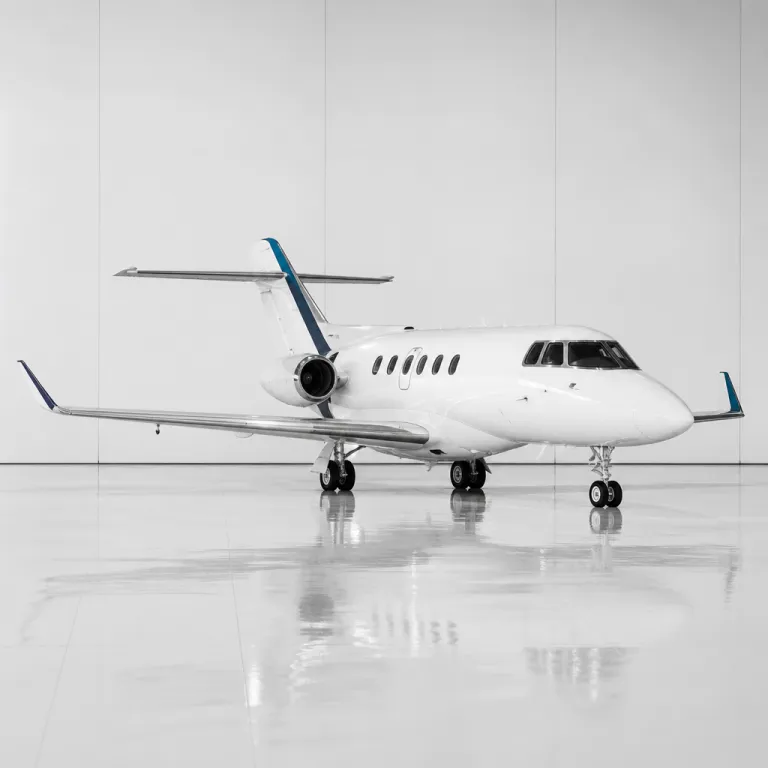

How the hawker 750 fits into historic business jet evolution
The Hawker 750 sits at a crossroads between classic design and modern expectations in private aviation. This Hawker aircraft was engineered as a midsize business jet that extended the legacy of earlier British Aerospace designs while adapting to the needs of private jet users in North America and the United States. For anyone comparing historic jets, the Hawker 750 offers a rare mix of proven technology, practical range, and a cabin tailored to business flights rather than pure luxury statements.
When you look at the Hawker-built lineage, you see a progression from the original British Aerospace HS series through the Hawker Beechcraft era, with each aircraft generation improving range, capacity, and maintenance planning. The Hawker 750 emerged as a business jet variant that kept the robust wing and systems of its predecessors while adding a ventral baggage compartment and refined cabin height, which made it more attractive for private jet charter and corporate owners. This balance between durability and comfort explains why many operators still keep Hawker 750 jets active despite competition from newer Bombardier Learjet, Embraer Phenom, and Dassault Falcon models.
Historic context matters when evaluating cost and price for a pre-owned Hawker 750, because buyers are not just paying for an aircraft but for a proven business jet platform with long total time potential. Compared with other midsize private jets, the Hawker 750 often offers a lower acquisition cost while maintaining a high level of safety and predictable maintenance schedules. For travelers who value reliability over the latest gadgets, this jet remains a compelling option for private and business flight profiles.
Cabin design, capacity, and comfort in a historic mid size jet
The cabin of the Hawker 750 reflects a design philosophy that prioritizes usable space over flashy styling. Typical layouts seat seven to eight passengers, giving this midsize private jet enough capacity for a small executive team while still allowing each traveler to move comfortably during a two to four hour flight. For many business travelers in North America, that configuration makes the Hawker 750 ideal for routes such as New York to Miami or Dallas to Mexico City, where cabin comfort and baggage space matter more than ultra long range.
Cabin height in the Hawker 750 is around 1.75 metres (about 5 ft 9 in) according to manufacturer data, which allows most passengers to stand slightly stooped but move easily along the aisle, and this cabin height compares favorably with several older Bombardier Learjet cabins that feel narrower and lower. The baggage compartment, including the distinctive ventral baggage area that Hawker built into this aircraft, offers generous baggage capacity for multiple suitcases, golf bags, or presentation equipment needed on a business jet trip. When you charter Hawker 750 jets, you will notice that operators often highlight this baggage capacity because it solves a common frustration with smaller private jets that force passengers to compromise on luggage.
For travelers considering flying alone, the Hawker 750 is obviously not a single seat airplane, yet many of the same comfort questions apply as in any discussion about flying solo and aircraft ergonomics. Seat design, window placement, and cabin noise levels all influence how rested you feel after several hours of private aviation travel. Historic jets like the Hawker 750 may not match the ultra quiet cabins of the newest Dassault Falcon or Embraer Phenom models, but they still deliver a balanced environment for productive work or rest during flight time.
Range, performance, and total time considerations for the hawker 750
Performance is where the Hawker 750 shows its role as a practical midsize business jet rather than a long range flagship. Typical range figures allow non stop flights of roughly 3,000 kilometres (about 1,620 nautical miles) with a standard passenger load, which covers a large portion of business routes within the United States and North America. That range means you can schedule a two and a half hour flight between major financial centres without refuelling, keeping total time on the ground minimal and improving productivity.
Compared with some newer private jets, the Hawker 750 may not reach the same high cruise speeds, yet its performance remains competitive for regional business aviation missions. Operators often compare it with aircraft such as the Bombardier Learjet 60, the Embraer Phenom 300, or smaller Dassault Falcon models, and the Hawker 750 usually wins on cabin volume and baggage compartment practicality rather than raw speed. For many charter clients, that trade off is acceptable because the extra ten or fifteen minutes of flight time are offset by better comfort and lower cost per hour.
When evaluating a specific Hawker 750 for purchase or long term charter, total time on the airframe and engines is a critical metric, since it directly affects maintenance planning and residual price. Historic jets that have accumulated high total time can still be excellent private jet assets if they have complete maintenance records and have followed manufacturer schedules from Hawker Beechcraft or subsequent support providers. Medical operators using specialized aircraft such as medical Learjets in emergency healthcare follow similar logic, proving that a well maintained older jet can deliver safe, reliable service for many years.
Operating cost, charter price, and empty legs opportunities
For many readers, the most pressing question about the Hawker 750 is how much it costs to operate or charter. Hourly charter price for this midsize business jet typically sits in the middle of the market, higher than very light jets but lower than large cabin aircraft, which makes it attractive for cost conscious corporate travel. When you compare cost per hour with cabin capacity and range, the Hawker 750 often delivers strong value, especially on routes where a smaller jet would feel cramped or require fuel stops.
Operating cost for owners includes fuel burn, crew salaries, hangar fees, and scheduled maintenance, and historic jets like the Hawker 750 require careful budgeting for periodic inspections. Many operators spread these costs over high annual utilization, which reduces cost per flight hour and keeps charter price competitive against newer business jets from Bombardier, Embraer, or Dassault. Empty legs, which are repositioning flights sold at a discount when the aircraft would otherwise fly empty, can offer significant savings for flexible travelers willing to adapt their time and route to the operator schedule.
From a strategic perspective, companies that use private jets regularly often mix charter, fractional ownership, and occasional empty legs to optimize total travel cost. The Hawker 750 fits well into this portfolio because its midsize capacity and baggage compartment allow both executive teams and small groups of clients to travel comfortably without upgrading to a large cabin jet. If you are comparing options, it is worth reading analyses of large cabin technology in a midsize envelope, such as the case for the Gulfstream G400, to understand how the Hawker 750 positions itself in terms of price, range, and comfort.
Maintenance, support, and the legacy of hawker beechcraft
Maintenance is a central concern when dealing with any historic business jet, and the Hawker 750 is no exception. The aircraft benefits from a robust design heritage that began under British Aerospace and continued through the Hawker Beechcraft era, which means many systems are well understood by maintenance crews worldwide. For operators in North America and the United States, this translates into a broad network of service centres familiar with Hawker-built structures, avionics, and engines.
Scheduled maintenance intervals on the Hawker 750 are structured to balance safety with operational availability, and well planned downtime can keep total time utilization high without compromising reliability. Many maintenance providers who also work on King Air turboprops from the same Hawker Beechcraft family appreciate the commonality of components and procedures, which simplifies training and parts logistics. When comparing support ecosystems, some buyers find that Hawker aircraft enjoy an advantage over certain niche private jets that lack such an extensive maintenance infrastructure.
For prospective owners or long term charter clients, it is wise to contact specialized aviation advisors who can review logbooks, maintenance histories, and upcoming inspection requirements for any Hawker 750 under consideration. These experts can explain how factors such as calendar time, total time, and previous usage patterns affect both current price and future maintenance cost. If you are evaluating multiple business jets, including models from Bombardier Learjet, Embraer Phenom, or Dassault Falcon families, a structured maintenance comparison will often highlight the enduring strengths of the Hawker 750 platform.
How to choose a hawker 750 for private and business use
Selecting the right Hawker 750 involves more than checking a brochure, because each aircraft has its own history, interior, and performance profile. Start by defining your typical mission profile in terms of range, passenger capacity, and average flight hour duration, then match those needs to specific jets on the market. A buyer who mainly flies two hour sectors with four passengers will prioritize different features than a charter company planning frequent high density flights with full baggage loads.
Cabin configuration is another key decision point, since some Hawker 750 cabins emphasize club seating for business meetings while others favour divans for family travel on private jets. Pay attention to cabin height, seat condition, entertainment systems, and the layout of the baggage compartment, because these details shape the real world experience of every flight. Historic jets can be refurbished extensively, so a slightly older interior should not automatically disqualify an aircraft if the underlying structure and maintenance record are strong.
When you are ready to move forward, you will usually contact a broker or operator and effectively call Hawker specialists through them, even if the phrase “call Hawker” is not used explicitly in marketing. Many buyers also send friend or colleague recommendations to their advisors, creating informal networks of experience that help validate specific business jet choices. In a market crowded with modern business jets from Bombardier Learjet, Embraer Phenom, and Dassault Falcon lines, the Hawker 750 remains a respected option for private and corporate users who value a proven midsize platform with balanced cost, range, and comfort.
Key figures and statistics about the hawker 750 and its peers
- Typical seating capacity for the Hawker 750 is seven to eight passengers, which places it firmly in the midsize business jet category and makes it suitable for most executive team missions.
- Maximum range for the Hawker 750 is around 3,000 kilometres (about 1,620 nautical miles) under standard conditions, allowing non stop flights on many popular business routes within North America and the United States.
- Average cruise speeds for comparable midsize private jets, such as certain Bombardier Learjet and Embraer Phenom models, often fall between 780 and 830 kilometres per hour (roughly 420 to 450 knots), which means flight time differences on regional routes are usually measured in minutes rather than hours.
- Industry data from major aviation consultancies indicate that operating cost per hour for midsize business jets typically ranges between 2,500 and 4,000 euros (or roughly 2,700 to 4,300 US dollars), depending on fuel prices, maintenance programmes, and crew arrangements.
- Market analyses of pre-owned private jets show that historic models like the Hawker 750 can trade at a significant discount to new aircraft, sometimes at less than half the price of a factory fresh midsize jet with similar cabin capacity.
FAQ about the hawker 750 as a historic business jet
Is the hawker 750 still a safe choice compared with newer private jets ?
The Hawker 750 remains a safe aircraft when it is maintained according to manufacturer and regulatory standards, with complete records and regular inspections. Safety depends more on maintenance quality, pilot training, and operational discipline than on the calendar age of the jet. Many operators continue to fly Hawker 750 jets confidently on demanding business aviation routes.
What kind of missions suit the hawker 750 best ?
This midsize business jet is ideal for regional flights of two to four hours with up to eight passengers and significant baggage. Typical missions include corporate shuttles between financial centres, client visits across North America, and private family trips where cabin comfort matters. It is less suited to ultra long range routes that require larger fuel reserves and extended flight time.
How does the hawker 750 compare with aircraft like the bombardier learjet or embraer phenom ?
Compared with many Bombardier Learjet models, the Hawker 750 usually offers a wider cabin and more generous baggage compartment space, trading a little speed for comfort. Against Embraer Phenom jets, it competes on cabin volume and proven durability, while the Phenom family often wins on newer avionics and fuel efficiency. The right choice depends on whether you prioritise acquisition price, operating cost, or passenger experience.
What should I check before buying a pre owned hawker 750 ?
Key items include total time on the airframe and engines, the completeness of maintenance records, upcoming inspection milestones, and any history of damage or major repairs. You should also evaluate cabin condition, avionics upgrades, and whether the aircraft is enrolled in maintenance programmes that stabilise future cost. Engaging an independent aviation surveyor is strongly recommended for a thorough pre purchase inspection.
Can I find good charter deals on a hawker 750, including empty legs ?
Yes, many charter operators list Hawker 750 aircraft in their fleets, and competitive markets in the United States and Europe often generate attractive hourly rates. Empty legs on this type of jet can offer substantial discounts if you are flexible on departure time and routing. Working with a broker who monitors multiple operators increases your chances of securing favourable pricing on both standard charters and empty legs, and you can usually request a detailed Hawker 750 spec sheet from them before confirming your trip.